Physiotherapy is amazing for healing, strengthening, and restoring movement after injury or surgery. But sometimes, those sessions can leave you feeling sore, stiff, or uncomfortable.

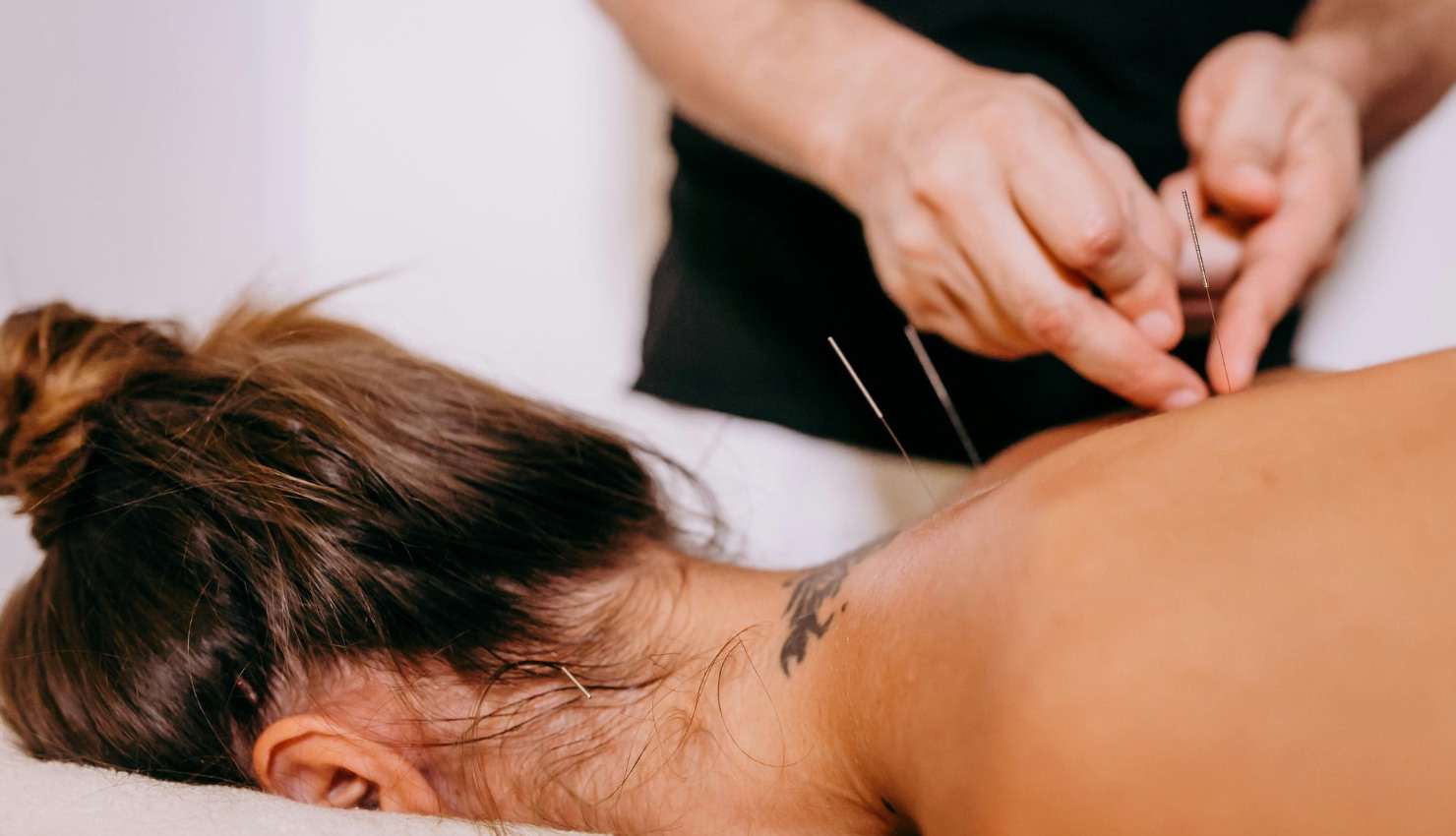
Physiotherapy is amazing for healing, strengthening, and restoring movement after injury or surgery. But sometimes, those sessions can leave you feeling sore, stiff, or uncomfortable. If youre looking for natural, effective ways to ease post-physio pain, Ayurveda has some gentle and time-tested techniques to help soothe your body and speed recovery.
Lets explore how Ayurvedic methods can complement your physiotherapy routine and keep you feeling your best.
?? Why Pain Happens After Physiotherapy
Its normal to experience some muscle soreness and joint stiffness after physiotherapy as your body adapts and rebuilds. This is often due to micro-tears in muscle fibers, inflammation, and increased circulation. Ayurveda views this as an imbalance in Vata dosha, which governs movement, nervous system activity, and circulationleading to pain and stiffness when aggravated.
?? Top Ayurvedic Techniques to Reduce Post-Physio Pain
1. Abhyanga (Warm Herbal Oil Massage)
Self-massage or professional Abhyanga with warm, Vata-pacifying oils like sesame or Mahanarayan thailam can:
Soothe sore muscles and joints
Improve circulation and lymphatic flow
Calm the nervous system, reducing pain perception
Try gently massaging sore areas after physio sessions to relax muscles and ease discomfort.
2. Herbal Compresses (Pinda Sweda)
Warm herbal poultices filled with medicinal herbs can be applied to painful areas to:
Reduce inflammation
Relieve stiffness and muscle tension
Promote deeper healing
This technique is especially helpful for localized joint pain.
3. Herbal Supplements and Teas
Ayurvedic herbs like Ashwagandha, Turmeric, and Guggul have powerful anti-inflammatory and analgesic properties. Consuming these as teas or supplements (under practitioner guidance) can support pain reduction and tissue repair.
4. Gentle Ayurvedic Yoga and Breathing Exercises
Incorporate slow, mindful movements and Pranayama (breath control) to improve circulation, reduce stiffness, and calm the nervous systemmaking it easier to recover after physiotherapy.
5. Warm Baths with Healing Herbs
Soaking in a warm bath infused with herbs like eucalyptus, neem, or turmeric can relax muscles, reduce soreness, and refresh your body and mind.
?? How Ayurveda Supports Your Physiotherapy Recovery
These techniques not only reduce pain but also address the root causes of discomfort by balancing your doshas, improving circulation, and calming your nervous system. This holistic approach helps your body heal smarter and feel betterso you can get the most out of your physiotherapy.
?? Tips for Integrating Ayurveda Into Your Routine
Practice self-massage daily or after physio sessions
Drink warm herbal teas throughout the day
Use herbal compresses as needed for localized pain
Incorporate gentle stretching and breathing exercises
Consult an Ayurvedic practitioner for personalized recommendations
? Final Thoughts: Gentle Care for Lasting Relief
Post-physiotherapy soreness doesnt have to slow you down. Ayurveda offers nurturing, natural techniques that help ease pain, reduce inflammation, and support your healing journeymaking your recovery smoother and more enjoyable.
Ready to Soothe Your Body Naturally?
Talk to your physiotherapist and consider consulting an Ayurvedic practitioner to create a complementary pain management plan tailored to your needs.