If your joints are aching, cracking, or feeling stiffer than usual, youre probably already considering physiotherapy. But what if you could enhance those resultsnot just mechanically, but holistically? Welcome to the world where Ayurveda meets physiotherapya powerful partnership for joint health that blends modern science with ancient healing wisdom.

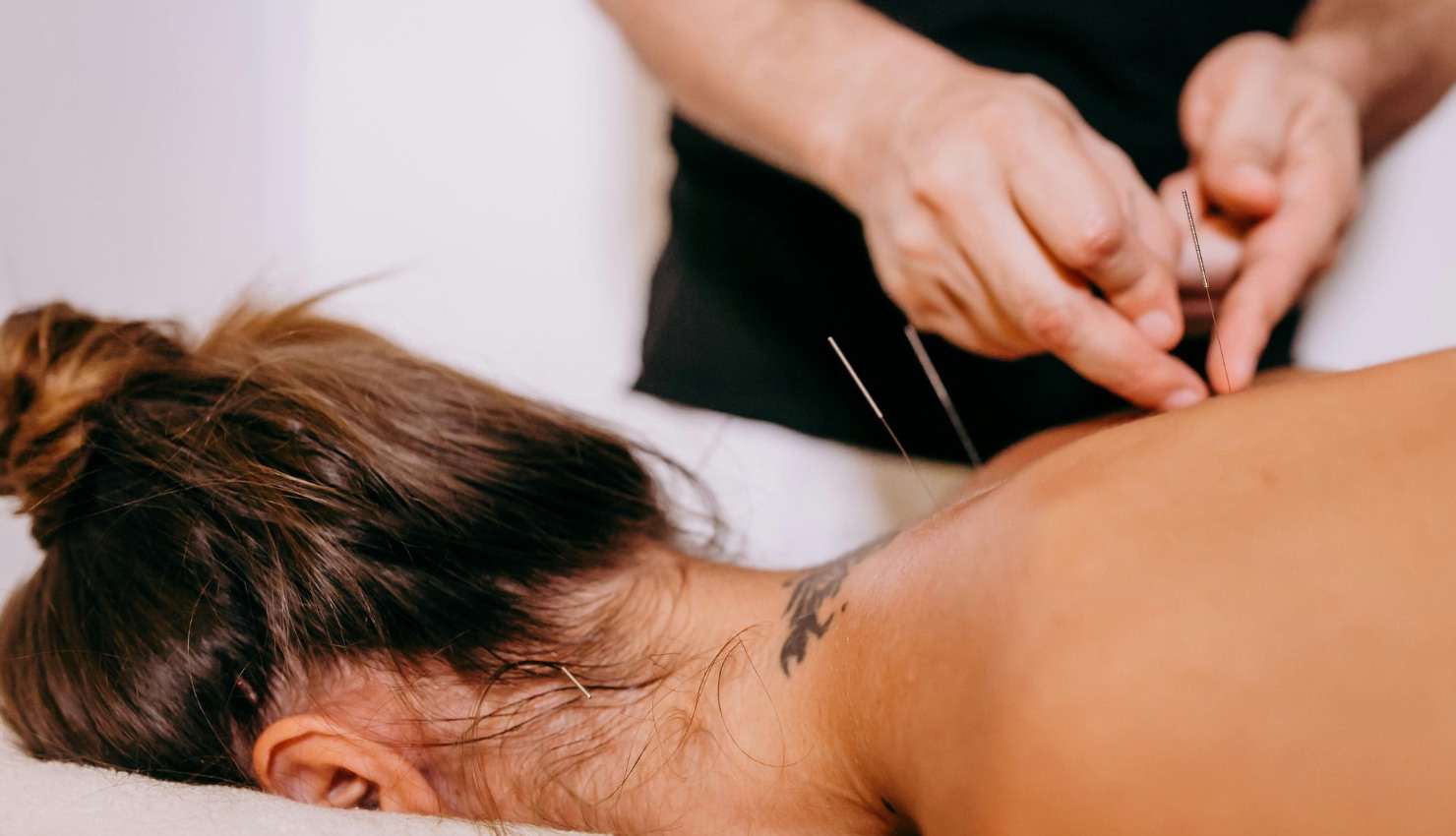
If your joints are aching, cracking, or feeling stiffer than usual, youre probably already considering physiotherapy. But what if you could enhance those resultsnot just mechanically, but holistically?
Welcome to the world where Ayurveda meets physiotherapya powerful partnership for joint health that blends modern science with ancient healing wisdom.
Whether youre managing arthritis, recovering from injury, or just dealing with wear and tear, this integrative approach could be your game-changer.
?? Understanding Joint Pain from Two Perspectives
Physiotherapy focuses on mobility, strength, and biomechanics. It helps correct imbalances, increase range of motion, and reduce pain through targeted exercises and techniques.
Ayurveda, on the other hand, sees joint issues as a sign of doshic imbalance, particularly Vata dosha, which governs movement and is easily aggravated by stress, aging, or inflammation. Ayurvedic care works to nourish tissues, lubricate joints, and remove toxins that may be contributing to discomfort.
Now imagine combining both. One treats the root imbalance, the other treats the functional outcome. Thats synergy in action.
?? How They Work Together for Joint Health
? 1. Pain Relief & Inflammation Reduction
Physiotherapy uses modalities like ultrasound, heat, and cold therapy to ease pain. Ayurveda enhances this with herbal oils like Mahanarayan Thailam or Kottamchukkadi Thailam, which penetrate deep into the tissues to calm inflammation and nourish the joints.
Tip: Pair your physio sessions with a warm Ayurvedic massage (Abhyanga) before or after for even better results.
? 2. Improved Joint Lubrication and Flexibility
Dryness and stiffness are signs of Vata imbalance. Ayurveda focuses on oleation (snehana) through diet, oils, and ghee to improve joint lubrication from within. This perfectly complements physiotherapy exercises that aim to increase flexibility and reduce stiffness.
? 3. Strengthening Muscles and Tissues
Physiotherapy provides external movement and strengthening. Ayurveda provides internal nourishment through Rasayanas (rejuvenating herbs) like:
Ashwagandha Strengthens muscles and reduces fatigue
Guggulu Supports bone and joint health
Shallaki (Boswellia) Excellent for arthritis and mobility
Dashamoola Reduces inflammation and Vata imbalance
Together, they reinforce your musculoskeletal systeminside and out.
? 4. Detoxification & Circulation
Ayurvedic treatments like Swedana (herbal steam) and Panchakarma help remove ama (toxins) that can accumulate in joints and tissues. This can reduce stiffness and speed up healing, especially when combined with physiotherapys movement-based therapies that improve blood flow.
? 5. Mind-Body Connection & Holistic Recovery
Lets not forget: chronic joint pain isnt just physicalits emotionally draining. Ayurveda emphasizes mental balance through diet, lifestyle, and meditation. Physiotherapy can be even more effective when the mind is calm, focused, and optimistic.
Ayurvedic practices like pranayama, meditation, and yoga support your overall well-being and build resilience during recovery.
??? A Typical Integrative Joint Care Plan Might Include:
Physiotherapy exercises for joint strength and flexibility
Abhyanga with medicated oils to reduce stiffness
Herbal supplements to support bones and cartilage
Anti-inflammatory Ayurvedic diet (think warm foods, less processed stuff)
Swedana (herbal steam) or Basti (oil enema therapy for deeper Vata balance)
Breathing exercises and gentle yoga
Final Thought
You dont have to choose between science and tradition. Ayurveda and physiotherapy each bring unique strengths to the tableand when combined, they offer a powerful, balanced, and sustainable approach to joint health.
So, if your joints are asking for a little extra care, why not give them the best of both worlds?
Want to explore this integrated path? Talk to a clinic or specialist that offers both Ayurvedic and physiotherapy services. A personalized plan could be the key to long-lasting joint health and mobility.