If pain is limiting how freely you moveeven after starting physiotherapyyoure not alone. Stiff joints, sore muscles, or old injuries can hang around like unwanted guests, slowing down your recovery and making every step feel harder than it should.

If pain is limiting how freely you moveeven after starting physiotherapyyoure not alone. Stiff joints, sore muscles, or old injuries can hang around like unwanted guests, slowing down your recovery and making every step feel harder than it should.
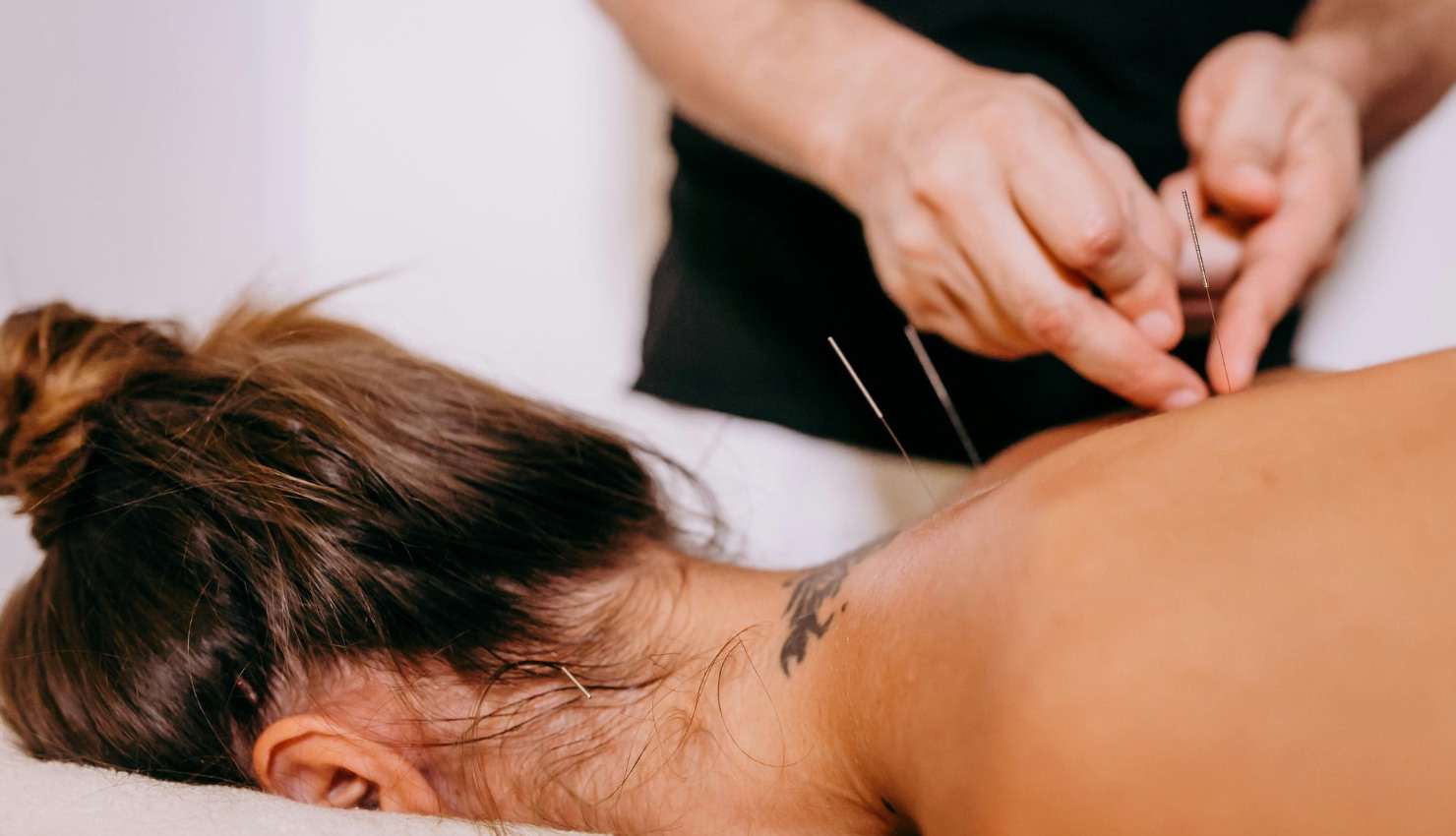
Thats where acupuncture comes in. This time-tested therapy from Traditional Chinese Medicine is gaining attention in the rehab world as a powerful complement to physiotherapy, especially when it comes to pain-free movement.
Lets explore how combining acupuncture with physio could be the key to unlocking your bodys full potentialwithout the pain.
?? Why Movement Still Hurts (Even With Physiotherapy)
Physiotherapy is excellent for treating the structural causes of pain: tight muscles, weak joints, imbalanced posture. But some types of discomfort are neurological or systemiclinked to things like:
Nerve hypersensitivity
Chronic inflammation
Emotional tension
Blocked energy flow
This is where acupuncture shinesby working with your bodys internal systems to calm pain and restore mobility from the inside out.
?? How Acupuncture Promotes Pain-Free Movement
? 1. Relieves Pain Naturally
Acupuncture triggers the release of endorphins, your bodys natural painkillers. It also modulates pain pathways in the brain and spinal cord, helping reduce sensitivity and discomfortwithout medication.
? 2. Reduces Inflammation
Whether youre dealing with arthritis, a sprained joint, or post-surgical swelling, acupuncture helps cool inflammation, improve lymphatic drainage, and promote better circulation to sore areas.
? 3. Releases Tight Muscles and Trigger Points
Stiff muscles? Limited range of motion? Acupuncture can target specific areas of tensioncalled trigger pointsand gently release them, so you can move more freely with less resistance.
? 4. Supports Nervous System Recalibration
Chronic pain can rewire your nervous system, making it overly reactive. Acupuncture helps retrain your nerves, lowering pain perception and reducing fear or guarding behaviors that interfere with movement.
?? Physiotherapy + Acupuncture = A Balanced Approach
When used together, these two therapies cover all angles of recovery:
Physiotherapy Acupuncture
Builds strength & range of motion Relieves pain & tension
Corrects posture & mechanics Balances energy & calms the nervous system
Guides active recovery Supports passive, internal healing
Its like repairing the structure while restoring the signal flow. Together, they create a synergy that accelerates recovery and keeps you movingcomfortably.
?? Who Benefits from This Combo?
If youre dealing with any of the following, acupuncture can be an incredible complement to your physio plan:
Chronic joint pain (knee, hip, shoulder)
Neck and back stiffness
Tendonitis or bursitis
Post-operative rehab
Sports injuries
Sciatica or nerve-related pain
?? What to Expect from Acupuncture Sessions
Sessions are gentle, calming, and customized to your needs. Most people find them deeply relaxing, with many experiencing pain relief and improved range of motion even after the first few treatments.
Bonus: acupuncture can also help with sleep, mood, digestion, and overall energyeverything your body needs to heal.
Final Thought
You dont have to live with limited movement or chronic discomfort. With the combined power of acupuncture and physiotherapy, you can restore balance, reduce pain, and move through life more freelynaturally.
Ready to move without pain holding you back? Talk to a practitioner who offers integrated care and discover how this holistic approach can work for you.