Understand the Laptop Posture Problem Laptops force your head to look down at the screen and your hands to reach forward putting strain on your:

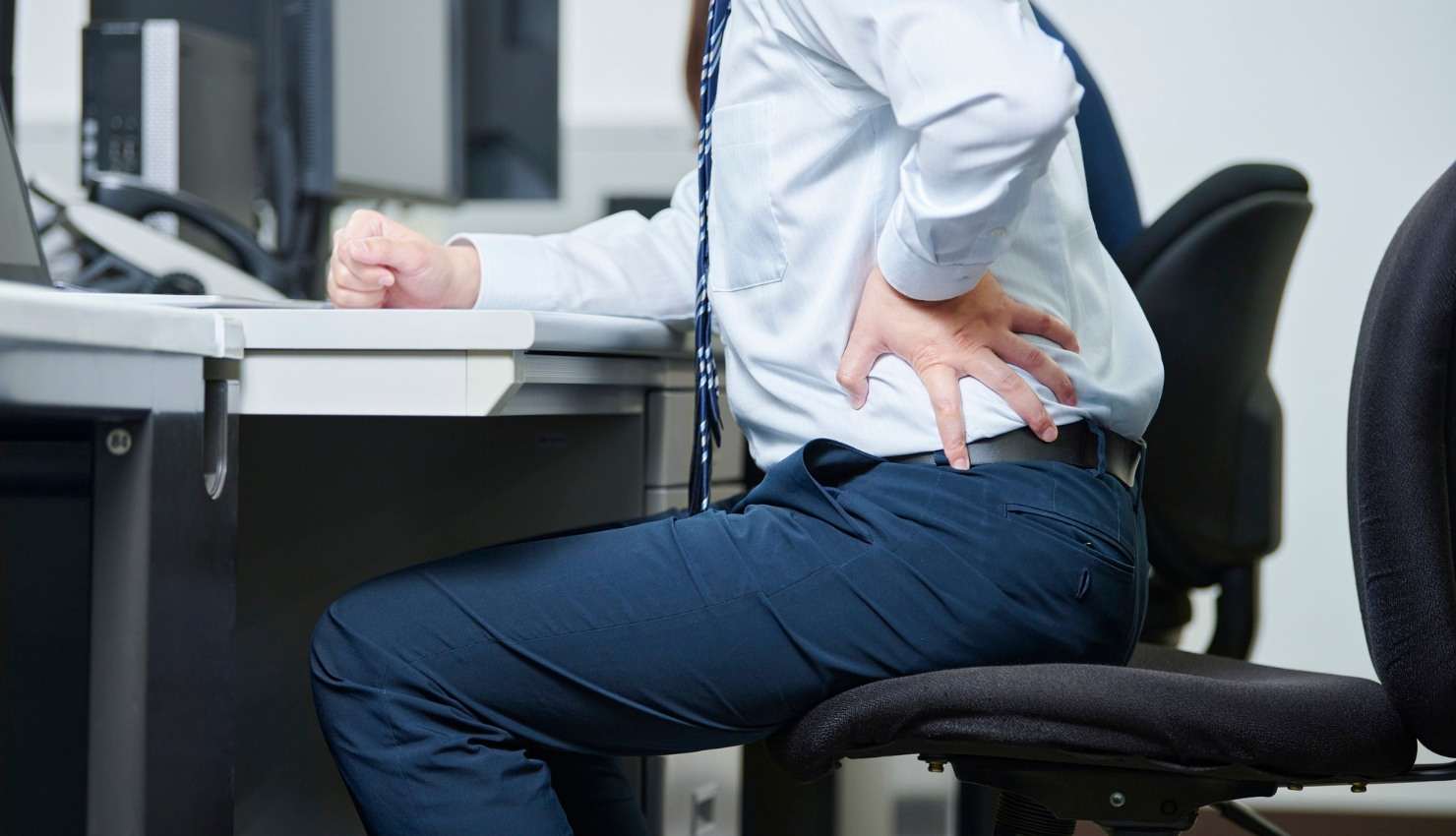
Understand the Laptop Posture Problem
Laptops force your head to look down at the screen and your hands to reach forward putting strain on your:
Neck and upper back
Shoulders and arms
Lower back and hips
Over time, this leads to chronic pain, fatigue, and even nerve compression.
? 2. Essential Laptop Setup Fixes for Better Posture
?? Raise the Screen to Eye Level
Use a laptop stand, stack of books, or even a sturdy box.
The top of the screen should be at or just below eye level when sitting upright.
Your chin should be parallel to the floor not tilted down.
?? Use an External Keyboard and Mouse
Keep elbows bent at 90° and wrists flat, with shoulders relaxed.
Place them directly in front of you, at desk or lap height.
Avoid reaching forward, which rounds your shoulders.
?? These two changes alone can dramatically reduce neck and shoulder strain.
?? 3. Align Your Chair and Desk Height
Whether you’re using a dining table or an adjustable desk:
Chair height: Your feet should be flat on the floor (or a footrest), with knees at or just below hip level.
Sit back in your chair to use the full backrest.
Add lumbar support (a small pillow or rolled towel) behind your lower back.
Tip: If the desk is too high, raise your chair and use a footrest or stack of books under your feet.
????? 4. Position Yourself Correctly at the Desk
Proper sitting posture:
Ears over shoulders, shoulders over hips
Back upright, not slouched
Elbows close to your sides, not flared out
Wrists straight, not bent upward or downward
Neck neutral, not jutting forward
? Posture check every 3060 minutes keeps you in alignment.
?? 5. Switch Positions Throughout the Day
Alternate between sitting and standing if you have a sit-stand desk or riser.
Use short breaks to move: stretch, walk, do a posture reset.
Try working while standing at a kitchen counter temporarily (with a riser for the laptop).
?? Your best posture is your next posture.
??? 6. Support Your Body with Stretching and Strengthening
Improve posture resilience with:
Daily stretches:
Neck stretches (side and chin tuck)
Chest opener (doorway stretch)
Hip flexor stretch (kneeling lunge)
Back mobility (cat-cow, thoracic rotation)
Strength builders:
Scapular retraction (squeeze shoulder blades)
Planks and core work
Wall angels
Glute bridges
?? Just 10 minutes/day helps reverse laptop strain.
?? Sample Ergonomic Checklist for Laptop Users
Item Ideal Position
Screen height Top at eye level
Distance from eyes About an arm’s length
Keyboard and mouse At elbow height, wrists neutral
Chair Upright with back support
Feet Flat on floor or footrest
Posture Upright spine, relaxed shoulders
Break frequency Every 3060 minutes
?? Bonus: Use Tech Tools to Remind You
Apps like Stretchly, StandUp!, or Ergonomic Assistant remind you to move, blink, and adjust posture.
Use a timer or calendar alerts for microbreaks.