Start with a Supportive Chair A good chair is the foundation of any ergonomic setup.

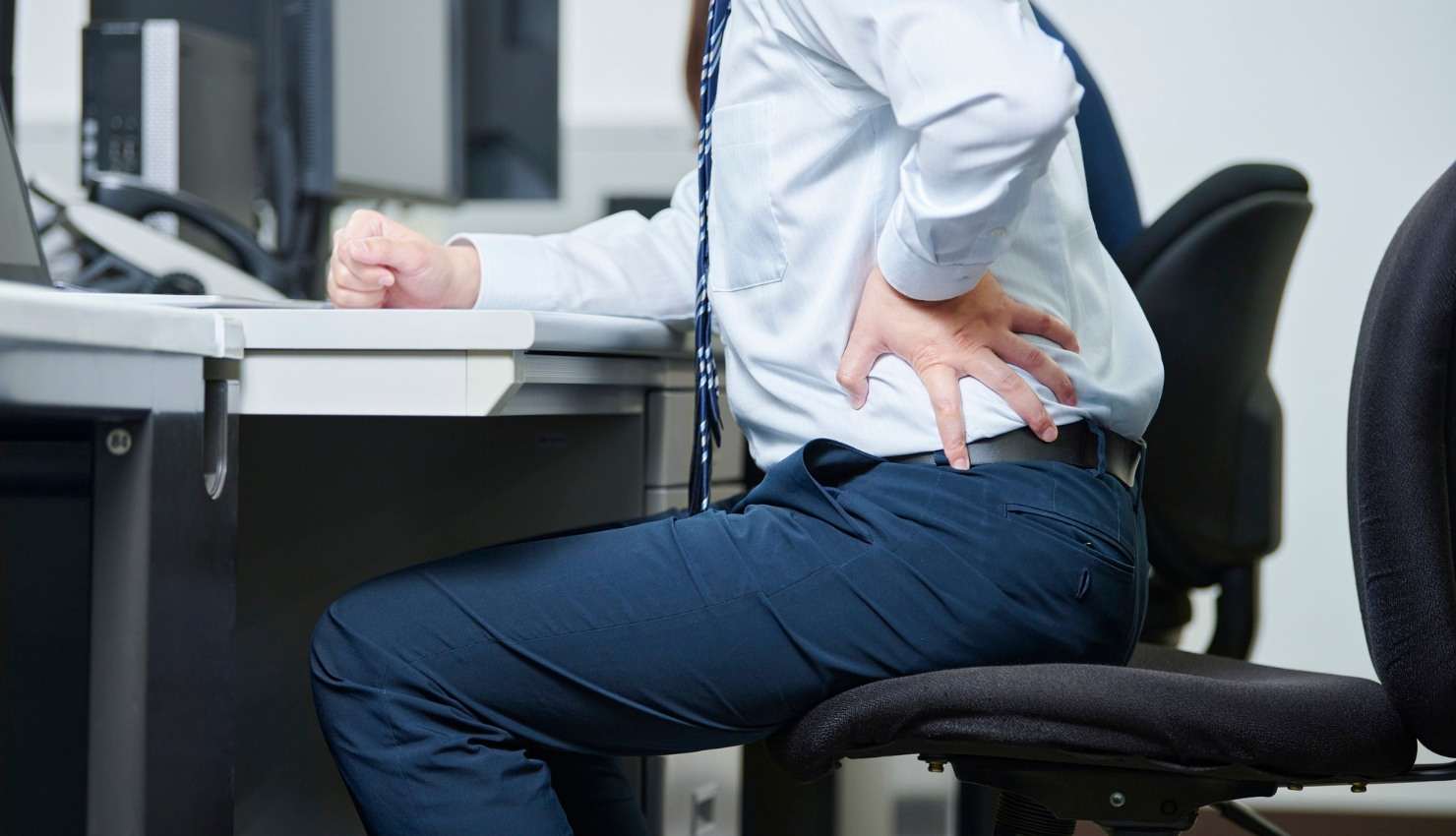
Start with a Supportive Chair
A good chair is the foundation of any ergonomic setup.
Look for:
Adjustable seat height (feet flat on the floor, knees at 90°)
Lumbar support (built-in or use a small pillow)
Armrests that support relaxed elbows
A seat that allows hip width and thigh support
?? DIY tip: No ergonomic chair? Use a firm cushion or rolled towel behind your lower back for support.
?? 2. Raise Your Monitor to Eye Level
Your screen should:
Be at arms length from your eyes
Have the top third of the screen at or just below eye level
Be directly in front of you no turning your neck to view it
?? Laptop user? Use a laptop stand or books to elevate the screen and pair it with an external keyboard and mouse.
??? 3. Align Keyboard and Mouse with Elbows
Proper arm and wrist positioning reduces strain and injury risk.
Keyboard and mouse should:
Be at or just below elbow height
Allow elbows to stay close to the body at ~90°
Keep wrists straight, not flexed or extended
Be placed shoulder-width apart to avoid reaching
?? Use a wrist rest if needed, and keep your mouse close to the keyboard.
?? 4. Desk Height and Layout Matter
Ideal desk height: around 2830 inches from the floor (for most people)
Sit centered to your screen and keyboard
Keep frequently used items within arms reach to avoid overreaching
?? Use monitor risers, footrests, or keyboard trays as needed to fine-tune alignment.
?? 5. Optimize Lighting and Reduce Eye Strain
Use natural light when possible, but avoid glare on screens
Add adjustable desk lighting to reduce eye fatigue
Follow the 20-20-20 rule: every 20 minutes, look at something 20 feet away for 20 seconds
Adjust screen brightness and contrast to avoid squinting
?? Eye health is a key part of ergonomic comfort.
????? 6. Encourage Movement and Postural Variety
Even perfect posture isnt enough without movement.
Alternate sitting and standing if possible
Set a timer to move every 3060 minutes
Use posture resets: shoulder rolls, chin tucks, spinal twists
Consider a balance board or footrest to shift weight while standing
?? Your best posture is your next posture so change positions often.
?? 7. Checklist for an Ergonomic Home Office
Element Ideal Setup
Chair Adjustable, lumbar support, feet flat
Desk Elbow height, minimal clutter, proper depth
Monitor Eye level, 2030 inches away
Keyboard/Mouse Wrists neutral, elbows at 90°, close to body
Lighting Natural + task lighting, no screen glare
Movement Breaks every 3060 minutes, posture shifts
Accessories Footrest, wrist support, laptop riser, headset