Set Up an Ergonomic Workspace Your desk setup can either support your body or strain it.

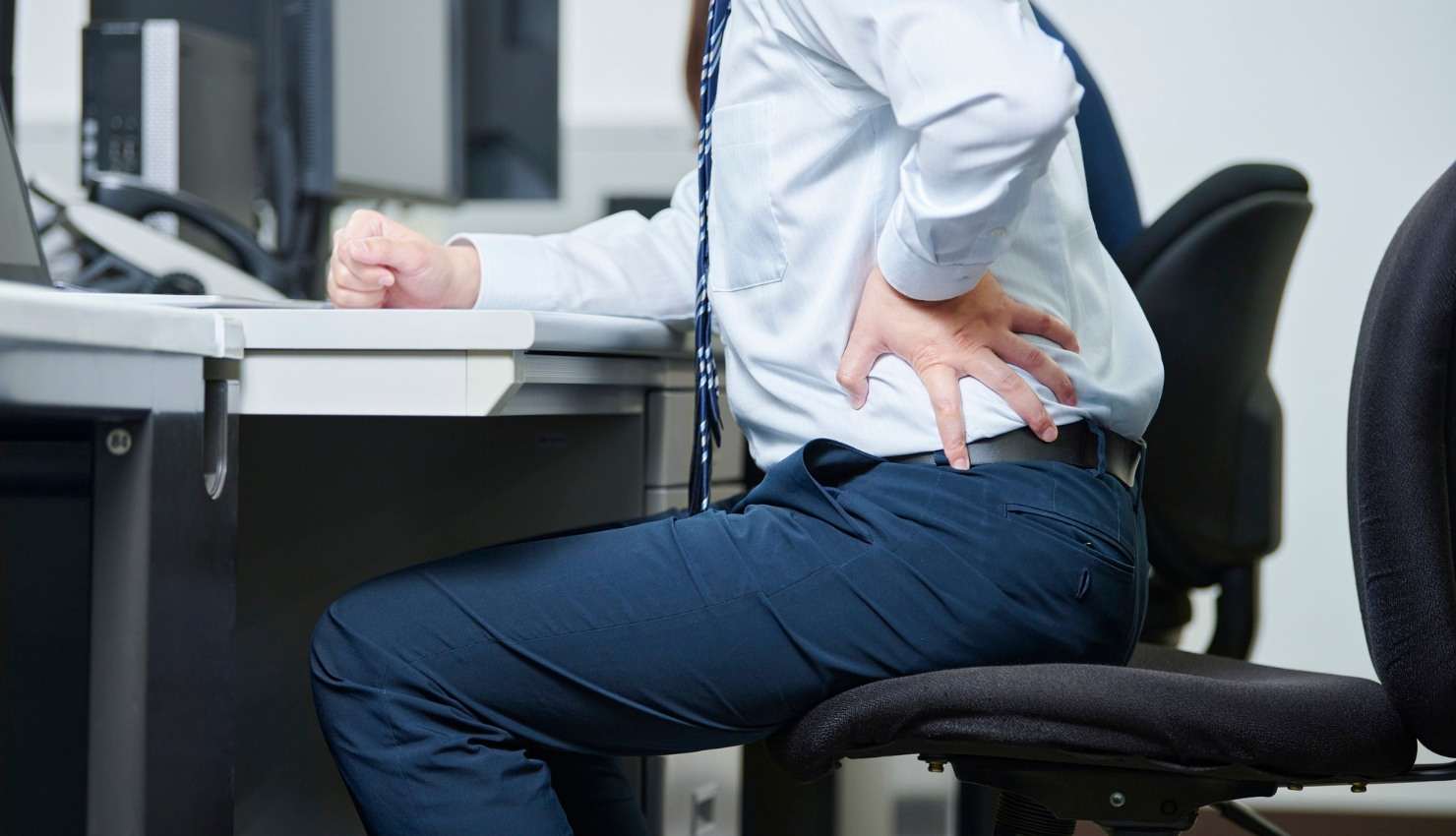
Set Up an Ergonomic Workspace
Your desk setup can either support your body or strain it.
? Follow these ergonomic basics:
Chair: Adjust so hips and knees are at 90°, feet flat on the floor
Desk height: Elbows bent at 90°, wrists straight while typing
Monitor: Top of screen at or slightly below eye level
Keyboard and mouse: Close enough to avoid reaching
Lighting: Natural light + adjustable desk lamp to reduce eye strain
?? Investing in ergonomic furniture pays off in comfort and long-term health.
?? 2. Move Regularly with Microbreaks
Sitting for hours stiffens muscles and reduces circulation.
?? Use the 30-5 rule:
Every 30 minutes, move for 25 minutes.
Try:
Marching in place
Shoulder and neck rolls
Standing stretches
A short walk or stair climb
?? Even 60 seconds of movement helps reset muscle tension and boost energy.
?? 3. Structure Your Day with Clear Routines
Routines reduce decision fatigue and improve mental focus.
?? Plan for:
A dedicated start and end time for work
A morning movement ritual (e.g., stretching, a short walk)
Scheduled deep work blocks and breaks
Wind-down period at days end (turn off work notifications)
?? Use tools like digital calendars or time-blocking to stay on track.
?? 4. Protect Your Eyes with the 20-20-20 Rule
Staring at screens all day strains your eyes and brain.
?? Every 20 minutes:
Look at something 20 feet away
For at least 20 seconds
Also:
Adjust screen brightness and contrast
Use blue light filters or glasses in the evening
Blink frequently to keep your eyes hydrated
??? Reducing eye strain boosts focus and reduces fatigue.
?? 5. Fuel Your Body with Smart Nutrition and Hydration
What you eat affects how well you work.
? Home office tips:
Keep a water bottle at your desk
Prep healthy snacks (nuts, fruit, yogurt) ahead of time
Dont skip meals set aside a real lunch break
Avoid sugary drinks and heavy meals that cause energy crashes
?? Dehydration can cause headaches, sluggishness, and poor concentration.
????? 6. Incorporate Stretching and Movement into Your Day
Relieve stiffness and boost circulation with quick daily stretches.
Key areas to target:
Neck and shoulders (neck rolls, shoulder shrugs)
Spine and back (cat-cow, seated twists)
Hips and hamstrings (hip flexor stretch, forward fold)
Wrists and hands (wrist circles, finger stretches)
?? Stretch 23 times during your workday and once more at the end of the day.
?? 7. Stay Connected and Mentally Engaged
Isolation can reduce motivation and mental well-being.
?? Try:
Regular virtual check-ins or coworking sessions
Listening to focus-enhancing music or white noise
Joining online groups for remote workers
Practicing mindfulness or journaling to reduce stress
?? Mental health is just as important as physical health in remote work.