Your home office isnt just where you get work done its where your body spends hours each day. A poorly designed space can cause fatigue, poor posture, and long-term pain. But with a few smart upgrades and healthy habits, you can transform it into a space that supports wellness, focus, and productivity.

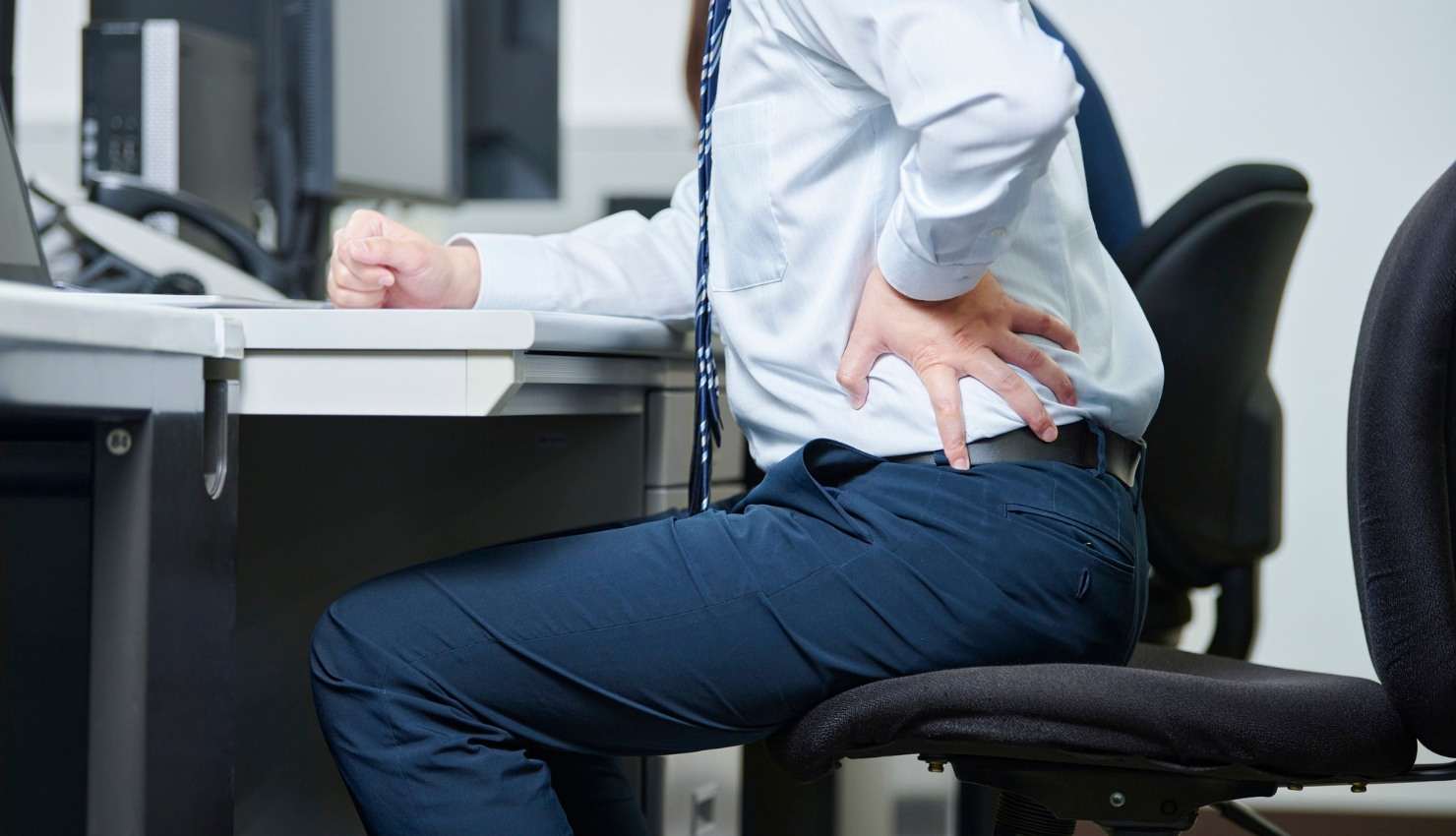
Your home office isnt just where you get work done its where your body spends hours each day. A poorly designed space can cause fatigue, poor posture, and long-term pain. But with a few smart upgrades and healthy habits, you can transform it into a space that supports wellness, focus, and productivity.
Heres how to make your home office comfortable and health-friendly.
?? 1. Prioritize Ergonomic Furniture
The foundation of a healthy home office is supportive equipment.
Must-haves:
Chair: Adjustable with good lumbar support, cushioned seat, and armrests
Desk: At a height where elbows rest at 90° while typing
Monitor: Eye-level, arms length away to prevent neck strain
Foot position: Feet flat on the floor or supported by a footrest
?? Your setup should support neutral posture not force you to adapt.
?? 2. Set Up a Spine-Friendly Workstation
Bad posture = big problems over time.
Check your alignment:
Head: Upright, not tilted forward
Shoulders: Relaxed, not rounded
Back: Supported, with slight lumbar curve
Wrists: Straight while typing
Screen: At or just below eye level
?? Use a laptop stand and external keyboard/mouse if needed.
?? 3. Improve Lighting and Reduce Eye Strain
Good lighting prevents fatigue and headaches.
Tips:
Use natural light when possible set up near a window
Add a desk lamp with warm light for soft contrast
Adjust monitor brightness and contrast to match ambient light
Follow the 20-20-20 rule: every 20 minutes, look 20 feet away for 20 seconds
?? Dry, strained eyes are a top complaint of remote workers lighting matters.
?? 4. Add Elements That Boost Comfort and Mood
Your environment influences your energy.
Add:
Plants to improve air quality and mood
Soft textures (cushions, rugs) for physical comfort
Noise control: headphones, soft background music, or white noise
Aromatherapy: lavender or citrus oils can reduce stress
?? Comfort = better focus, lower stress, and improved well-being.
?? 5. Take Regular Movement and Stretch Breaks
The healthiest home office habit? Frequent movement.
Try:
Breaks every 3060 minutes to stand or stretch
Mini workouts: 5-minute walks, stretches, or desk exercises
Standing desk options (even a stack of books counts!)
Desk mobility tools like a foam roller or stretch band
?? Movement resets your posture and re-energizes your body.
?? 6. Incorporate Wellness Habits Into Your Day
Daily rituals that help:
Drink plenty of water keep a bottle at your desk
Snack on healthy foods that support focus (nuts, fruit, protein)
Use blue light filters after sunset
Practice a short breathing or meditation break to reset mentally
?? Well-being isnt just physical your mental clarity counts, too.
? Healthy Home Office Checklist
Item/Habit Done?
Ergonomic chair & desk setup ?
Monitor at eye level ?
Feet flat, wrists neutral ?
Natural or adjustable lighting ?
Movement break every hour ?
Daily desk stretches ?
Plant, aroma, or comfort item nearby ?
Hydrated and healthy snacking ?
?? Want Some Tools to Help?
Would you like:
? A downloadable Healthy Home Office Setup Guide?
? A 5-minute stretch routine for desk workers?
? A checklist of affordable ergonomic tools for comfort?