Working from home can silently wreck your posture. Long hours at a desk, slouched over a laptop or slumping into a couch, can lead to rounded shoulders, forward head posture, and chronic back or neck pain. But heres the good news: physiotherapy offers practical, science-backed solutions to not only correct your posture, but to strengthen …

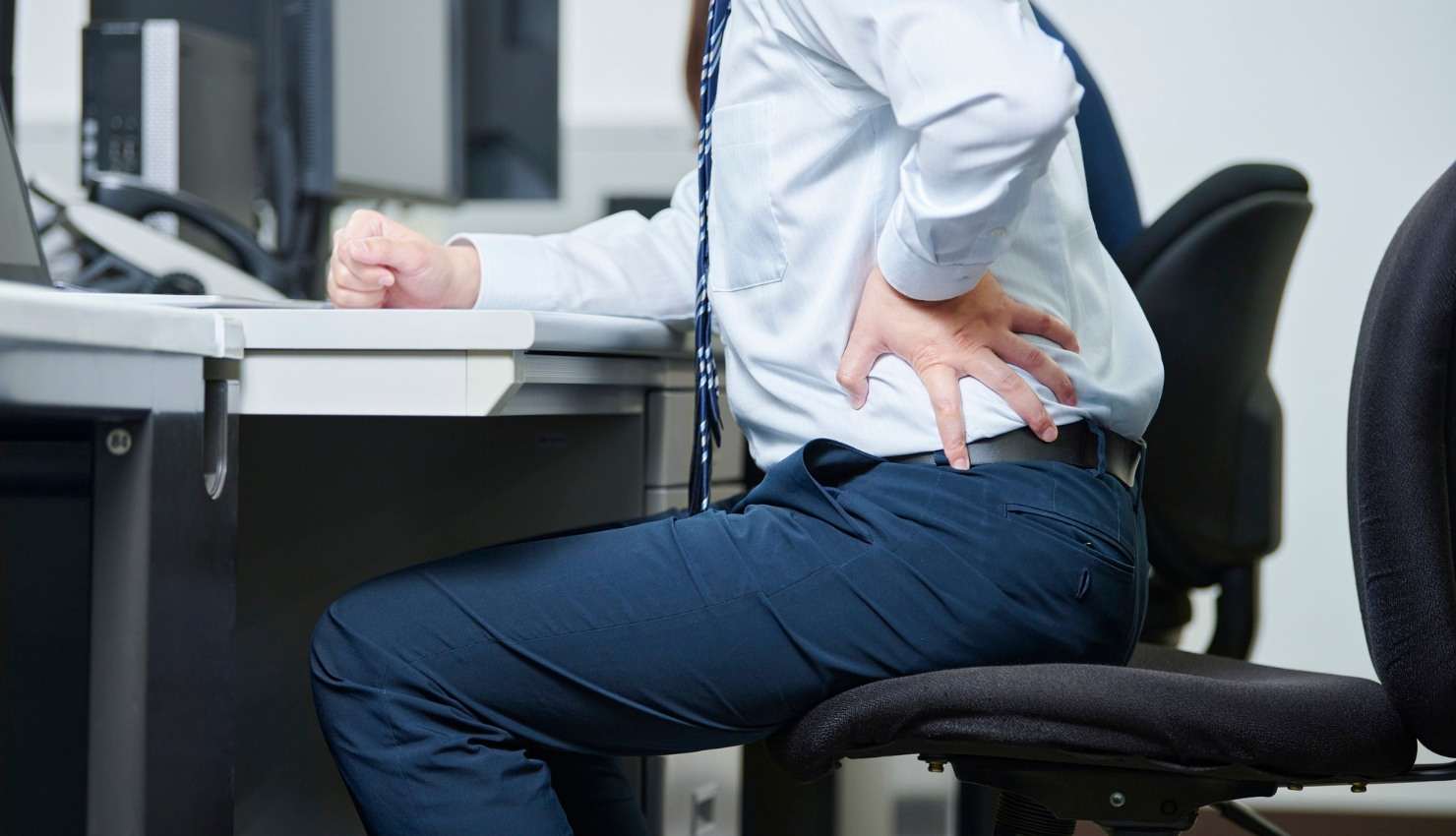
Working from home can silently wreck your posture. Long hours at a desk, slouched over a laptop or slumping into a couch, can lead to rounded shoulders, forward head posture, and chronic back or neck pain. But heres the good news: physiotherapy offers practical, science-backed solutions to not only correct your posture, but to strengthen and sustain it even in a home office.
?? Why Poor Posture Happens at Home
Remote work environments are often less ergonomic than traditional offices.
Common habits that cause poor posture:
Sitting on couches or beds while working
Using laptops without external monitors
Hunching over phones or screens (aka tech neck)
Staying in one position for hours without breaks
?? These repetitive habits lead to muscle imbalances and joint stiffness.
?? How Physiotherapy Helps Improve Posture
Physiotherapists dont just treat injuries they retrain your body to move and sit better.
Heres how:
Postural Assessment:
Identifies where youre overusing or underusing certain muscles
Analyzes your desk setup and daily movement habits
Corrective Exercises:
Target weak postural muscles (like the deep neck flexors, rhomboids, and glutes)
Loosen tight areas (like the chest, hip flexors, and hamstrings)
Include functional retraining so your posture improves in motion, not just when sitting still
Mobility & Stretching Plans:
Restore joint alignment
Improve flexibility in key areas like the spine, hips, and shoulders
Reduce stiffness from prolonged sitting
Ergonomic Coaching:
Advice on how to adjust your chair, desk, monitor, and keyboard
Personalized tips for sitting, standing, and taking breaks
Neuromuscular Re-education:
Helps retrain your brain and body to default to better posture
Reinforces new movement patterns through repetition and feedback
??? Its like a posture rehab program tailored to your work-from-home life.
?? Top Physiotherapy Exercises for Better Posture at Home
Here are a few posture-friendly moves often prescribed by physiotherapists:
1. Chin Tucks
Retrain the deep neck flexors
Reduces forward head posture
2. Wall Angels
Activate upper back and shoulder muscles
Improves scapular alignment
3. Thoracic Extensions Over a Foam Roller
Mobilizes the mid-back
Reduces stiffness and improves spinal extension
4. Hip Flexor Stretch
Counters the tightness caused by sitting
Prevents anterior pelvic tilt
5. Glute Bridges
Strengthens your posterior chain
Supports pelvic and spinal alignment
?? Combine with These Daily Habits for Lasting Results
Stand up and stretch every 3060 minutes
Use a standing desk or sit-stand routine
Position your screen at eye level
Sit with your feet flat, back supported, elbows at 90°
Use lumbar support or a small towel roll at your lower back
?? Reinforcement is key posture improves through consistent practice.
?? When to See a Physiotherapist
Consider booking a virtual or in-person physiotherapy session if you:
Have ongoing neck, shoulder, or lower back pain
Feel tightness or fatigue in your muscles after sitting
Notice slouching or stiffness thats hard to fix on your own
Want professional guidance on improving posture and preventing future issues