Spending hours at a desk without the right posture or setup can silently build up neck and shoulder tension leading to discomfort, tightness, and even chronic pain. Fortunately, with a few ergonomic changes and mindful habits, you can relieve and prevent that stress from settling into your upper body.

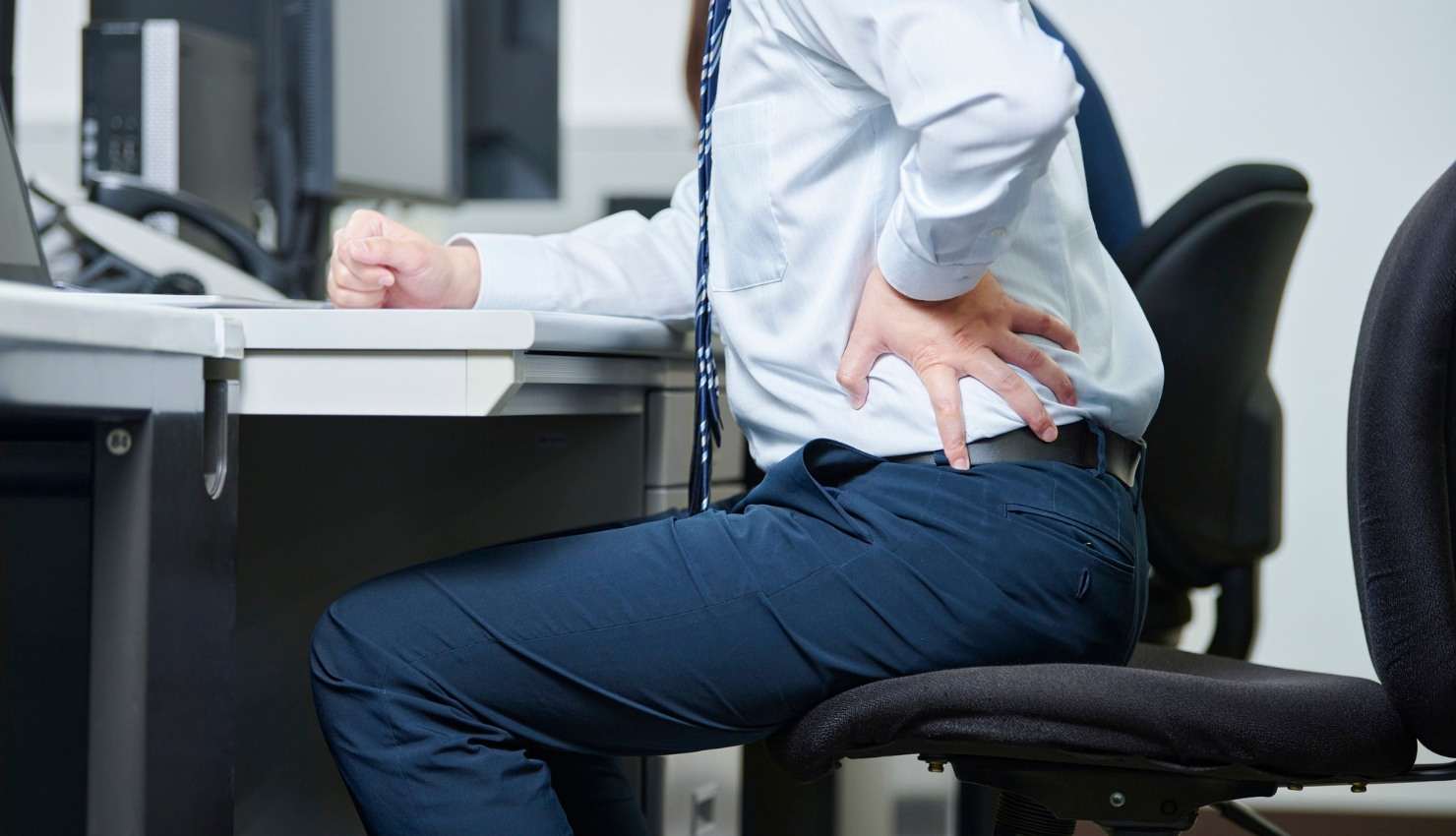
Spending hours at a desk without the right posture or setup can silently build up neck and shoulder tension leading to discomfort, tightness, and even chronic pain. Fortunately, with a few ergonomic changes and mindful habits, you can relieve and prevent that stress from settling into your upper body.
Heres how to stay relaxed, pain-free, and mobile while working from home:
?? 1. Optimize Your Desk Setup for Neck and Shoulder Relief
A poor workstation setup is one of the main causes of upper body strain.
Make these quick adjustments:
Screen height: Top of your monitor should be at or just below eye level
Monitor distance: About an arms length away to avoid leaning forward
Chair height: Keep elbows at 90° and shoulders relaxed
Keyboard and mouse: Place close to your body so your elbows stay in line with your sides
?? If your shoulders are hiking up or your head is jutting forward, your setup needs adjusting.
?? 2. Correct Your Sitting Posture
Poor posture overloads the muscles of your neck and upper back.
Aim for:
Neutral spine: Ears over shoulders, shoulders over hips
Relaxed shoulders: Not shrugged or rotated forward
Feet flat on the floor and back supported
Head aligned: Avoid looking down or jutting your chin
?? Check in with your posture every hour set a reminder if needed!
?? 3. Take Regular Movement Breaks
Sitting in one position too long causes muscles to stiffen and shorten.
Try:
60-second stretch every 3060 minutes
Walk around for 25 minutes between meetings
Use the 20-20-20 rule for eye and neck relief: Every 20 minutes, look 20 feet away for 20 seconds
Do shoulder rolls and neck circles during phone calls
?? Motion is lotion even brief breaks reset your muscle tension.
?? 4. Do Targeted Exercises to Release Tension
Strengthening and stretching specific muscles will improve posture and reduce pain.
Physiotherapist-approved exercises:
Chin tucks Reduce forward head posture
Wall angels Open tight chest and shoulders
Upper trapezius and levator scapulae stretches Loosen stiff neck muscles
Scapular retractions Activate postural support muscles
Doorway pec stretch Reverse the effects of slouching
?? Just 510 minutes a day can undo hours of poor positioning.
?? 5. Manage Stress to Reduce Physical Tension
Neck and shoulder tightness often isnt just physical its emotional, too.
De-stressing strategies:
Practice deep diaphragmatic breathing (inhale 4, hold 4, exhale 6)
Use guided meditation apps or music to relax your nervous system
Do neck self-massage or use a warm compress
Use foam rollers or massage balls for upper back release
?? When your mind relaxes, your muscles follow.