A poor desk setup can lead to neck stiffness, back pain, wrist strain, and eye fatigue. The good news? Most of these issues are preventable with just a few smart ergonomic adjustments.

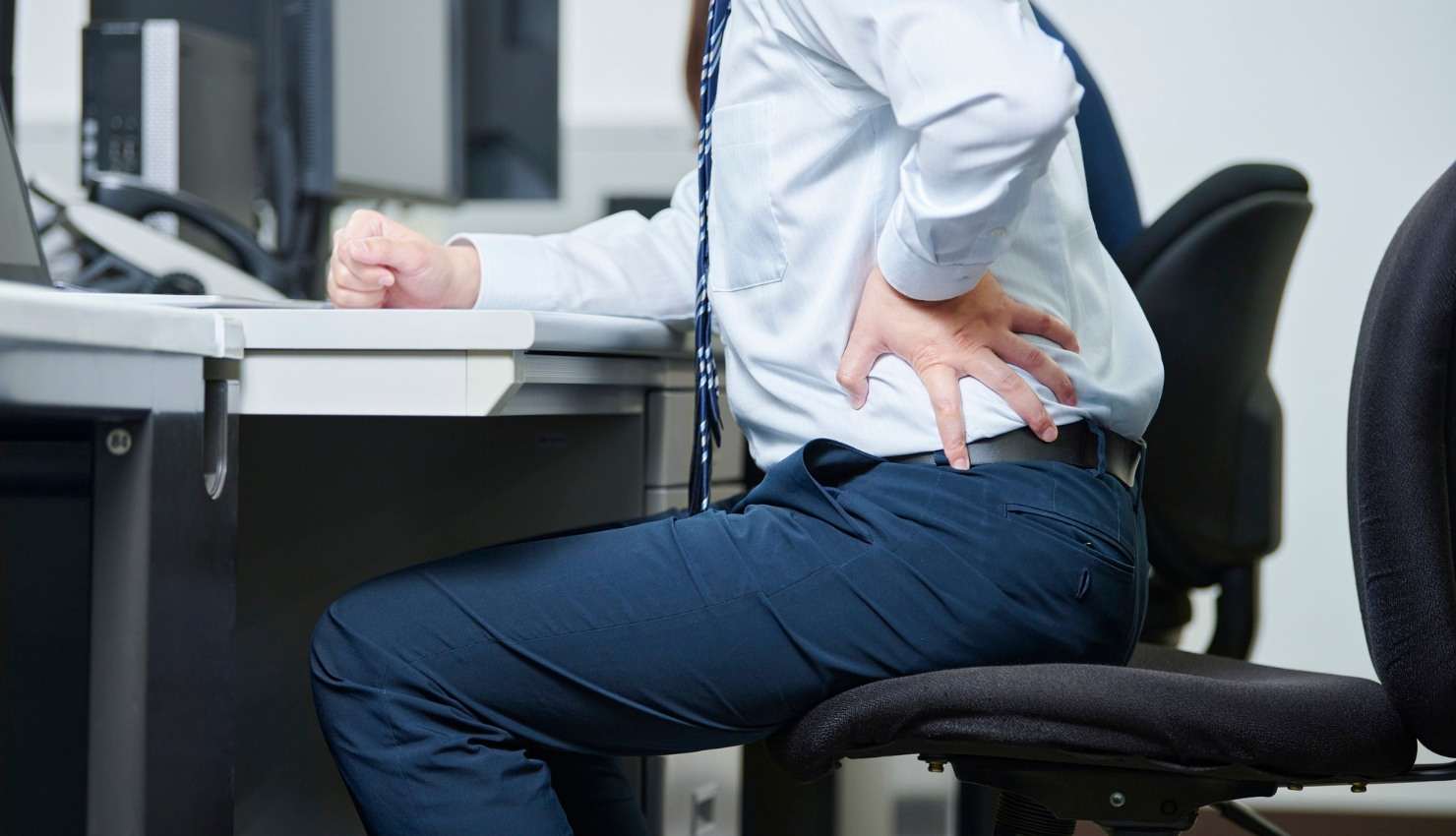
A poor desk setup can lead to neck stiffness, back pain, wrist strain, and eye fatigue. The good news? Most of these issues are preventable with just a few smart ergonomic adjustments.
Heres how to upgrade your home workstation to support your posture, productivity, and long-term health:
?? 1. Start with a Supportive Chair
Your chair is the foundation of your posture.
Look for:
Adjustable height so feet rest flat on the floor
Lumbar support to maintain the spines natural curve
Armrests to keep shoulders relaxed
Hips slightly above knee level to reduce hip pressure
?? No ergonomic chair? Use a small cushion for lumbar support and a footrest or box to support your legs.
??? 2. Raise Your Screen to Eye Level
Neck pain often comes from looking down or up too often.
Adjust your screen:
Top third of the screen at eye level
About an arms length away
If using a laptop, add a separate keyboard and mouse and raise the screen with a stand or stack of books
?? This helps avoid “tech neck” and keeps your head aligned with your spine.
?? 3. Keep Your Keyboard and Mouse at Elbow Height
Typing with bent wrists or raised shoulders creates strain in your forearms, wrists, and shoulders.
Best setup:
Elbows at 90 degrees, close to your sides
Wrists straight, not bent up or down
Use a wrist rest or folded towel if needed
Keep mouse next to the keyboard no reaching
? Switch mouse hands occasionally to reduce overuse injuries.
?? 4. Position Your Feet and Legs Correctly
Poor lower body alignment affects your entire spine.
Make sure:
Feet are flat on the floor or on a footrest
Knees are at 90100°, not pressing into the seat
Avoid crossing your legs or sitting on one foot
?? Move your legs and change positions regularly to prevent stiffness.
?? 5. Light It Right to Reduce Eye Strain
Bad lighting causes headaches and encourages you to hunch closer to the screen.
Tips:
Use natural light when possible
Add a desk lamp with indirect, soft light
Avoid glare: position light sources to the side, not directly behind or in front of your screen
Enable blue light filters and increase font size
?? Follow the 20-20-20 rule: every 20 minutes, look 20 feet away for 20 seconds.
?? 6. Encourage Movement Throughout the Day
A great setup doesnt replace the need to move often.
Add:
A standing desk or riser to alternate positions
Stretching breaks every 3060 minutes
Desk-friendly movement: shoulder rolls, leg extensions, neck stretches
Reminders to stand up or change posture regularly
?? Joints and muscles stay healthier when theyre used gently but often.