A standing desk can be a game-changer for your health and productivityreducing back pain, improving posture, and keeping your energy levels up. But to reap the benefits, its crucial to set it up correctly and use it wisely.

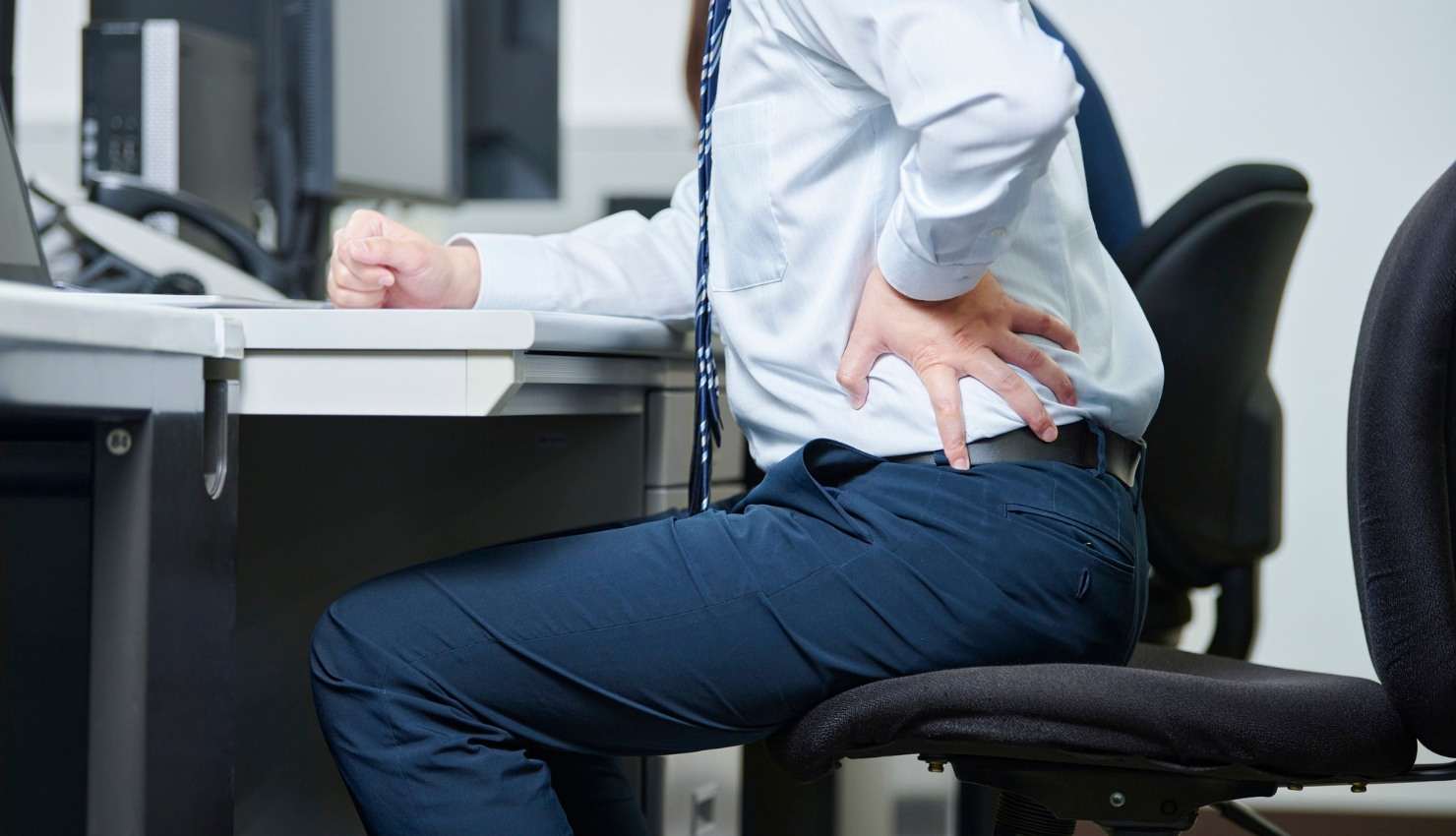
A standing desk can be a game-changer for your health and productivityreducing back pain, improving posture, and keeping your energy levels up. But to reap the benefits, its crucial to set it up correctly and use it wisely.
Heres a complete guide to help you create a comfortable and ergonomic standing desk setup at home.
? Benefits of a Standing Desk
Reduces sedentary time
Improves circulation and energy
Relieves pressure on the lower back
Encourages better posture and alignment
Burns more calories than sitting
?? Alternating between sitting and standing is best for long-term comfort and spinal health.
??? Step-by-Step: How to Set Up Your Standing Desk
1. Choose the Right Surface
You can use:
A height-adjustable standing desk
A desktop converter that lifts your monitor and keyboard
Or DIY solutions using stable platforms or boxes
?? Make sure its sturdy and large enough to hold your monitor, keyboard, and mouse.
2. Set Proper Desk and Monitor Height
Your setup should support a neutral posture with:
Elbows bent at 90100°, forearms parallel to the floor
Wrists straight and relaxed, not bent up or down
Monitor at eye level (top third of the screen should be at or just below eye level)
Shoulders relaxed and back
?? For most people, this means a desk height of 3844 inches (96112 cm), depending on your height.
3. Use an Anti-Fatigue Mat
Standing on a hard floor all day can cause foot, knee, or lower back discomfort.
Use an:
Anti-fatigue mat
Supportive rug or foam mat
Comfortable, flat shoes (avoid heels or slippers)
?? This helps cushion your joints and reduces standing fatigue.
4. Mind Your Feet and Movement
Avoid locking your knees. Instead:
Shift your weight often
Stand on one leg briefly (then switch)
Use a footrest or small box to alternate feet
Try gentle calf raises or hip circles while you stand
? Change positions every 3045 minutes to prevent muscle fatigue.
5. Alternate Between Sitting and Standing
Standing all day is just as harmful as sitting all day. The key is dynamic posture.
Start with a sit-stand ratio of 1:1 or 1:2:
Stand for 3045 minutes per hour
Sit the rest of the time
Adjust based on how your body feels
?? Use reminders or an app to prompt regular position changes.
6. Cable Management & Accessories
Standing desks moveso keep your setup safe and organized:
Use long cables for power and peripherals
Attach a monitor arm or use a laptop stand
Keep your keyboard and mouse on the same level to avoid awkward arm positions
?? Clean cable management avoids trip hazards and keeps transitions smooth.
?? Stretching and Movement for Standing Desks
Incorporate these during the day:
Neck rolls and shoulder shrugs
Hamstring and calf stretches
Standing backbends or hip flexor stretches
Wall push-ups or desk squats
These help counterbalance the effects of prolonged standing or static posture.