1. Preventing Stress and Tension While Working from Home

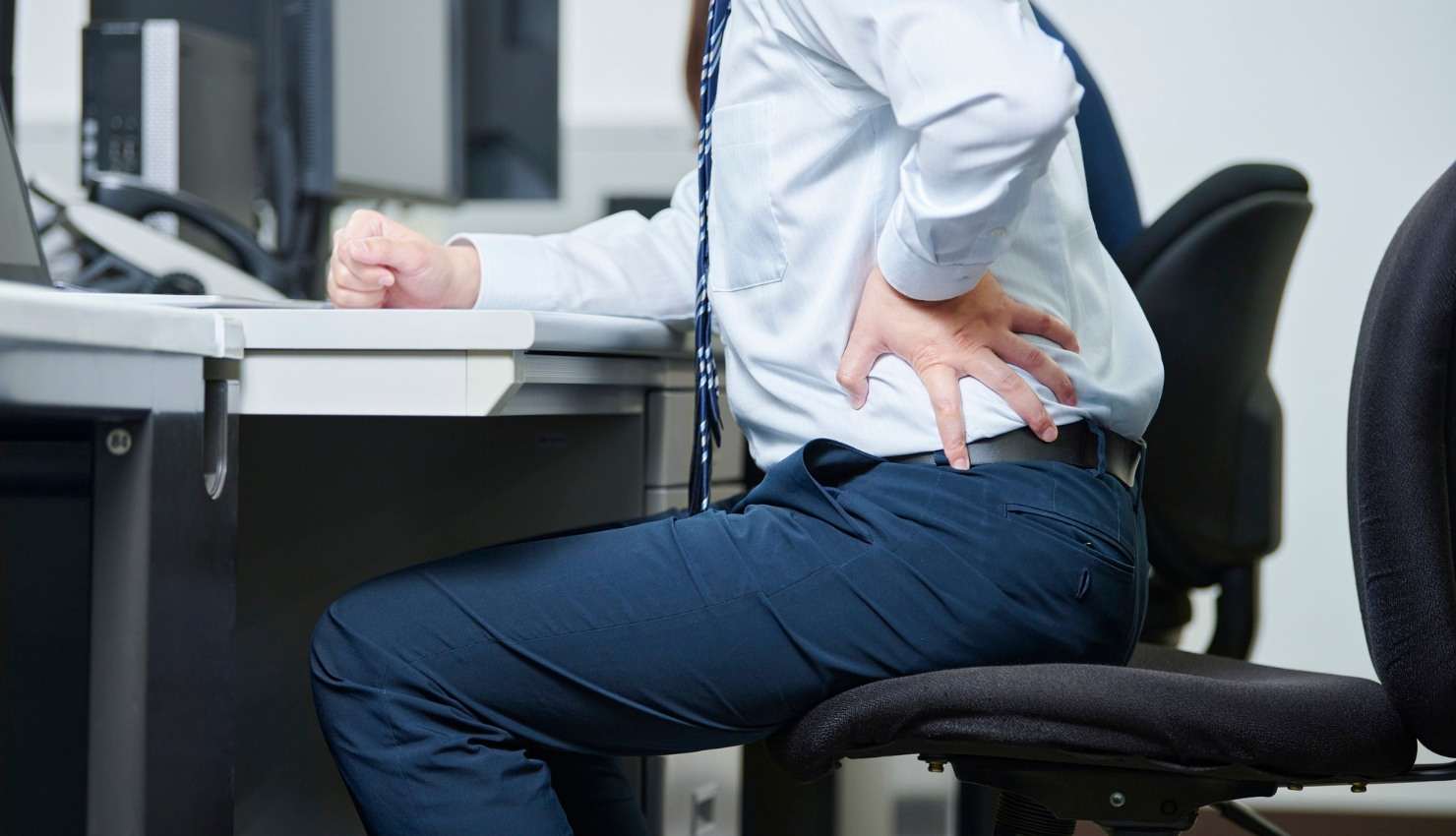
1. Preventing Stress and Tension While Working from Home
Working remotely offers flexibility and comfort, but it can also introduce stress and tension that creep into our bodies and minds without warning. Without the usual boundaries of a traditional office, it’s easy for work to spill into every part of our home life, leading to burnout, anxiety, and physical discomfort. However, with mindful strategies, you can maintain your well-being and productivity.
Recognize the Stress Triggers
Common sources of stress for remote workers include lack of social interaction, poor work-life balance, overworking, and an unstructured routine. Identifying your personal stress triggers is the first step in managing them effectively.
Establish a Routine
Begin and end your day at consistent times. Include short breaks and a dedicated lunch period. Use a planner or digital calendar to structure your time and reduce decision fatigue.
Designate a Workspace
Having a separate area for workideally away from your bedroom or relaxation zoneshelps signal to your brain when it’s time to work and when its time to unwind.
Practice Mindfulness and Relaxation Techniques
Simple breathing exercises, meditation, or even a few minutes of quiet time can significantly lower stress levels. Apps like Calm, Headspace, or Insight Timer are excellent tools for daily mindfulness.
Stretch and Move Regularly
Physical tension often builds when we stay in one position too long. Set a timer to stretch or walk every hour. Incorporate neck rolls, shoulder shrugs, and wrist stretches.
Stay Connected
Combat social isolation by scheduling virtual coffee breaks or quick chats with coworkers. Regular communication promotes emotional support and team bonding.
Maintain a Healthy Lifestyle
Eat balanced meals, stay hydrated, and aim for 7-9 hours of quality sleep. Reducing caffeine and screen time before bed improves rest and mental clarity.
Seek Support
If stress becomes overwhelming, dont hesitate to reach out to a counselor or therapist. Many offer online sessions and are skilled at helping with remote work-related challenges.
By proactively managing your stress and tension while working from home, you create a sustainable environment that supports both your mental and physical well-being.