rgonomics plays a vital role in maintaining comfort, preventing injuries, and enhancing productivity when working from home. A well-designed workspace reduces strain on muscles and joints, boosts efficiency, and supports long-term health.

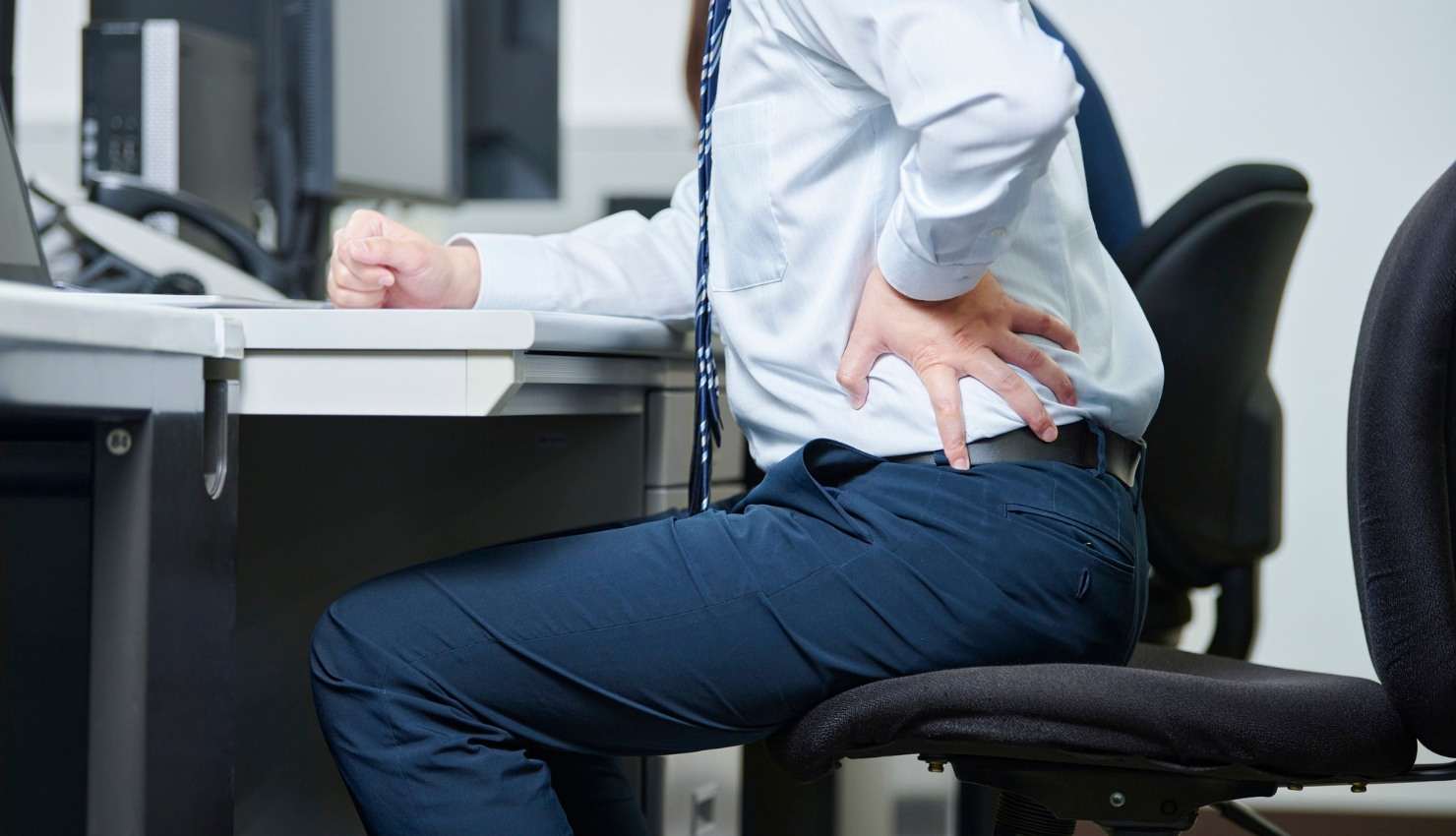
rgonomics plays a vital role in maintaining comfort, preventing injuries, and enhancing productivity when working from home. A well-designed workspace reduces strain on muscles and joints, boosts efficiency, and supports long-term health.
Set Up Your Workspace Ergonomically
Your desk, chair, monitor, and peripherals should be arranged to promote a neutral posture:
Chair: Adjustable with lumbar support; feet flat on the floor
Desk: Elbows at 90100° when typing
Monitor: Top at eye level, arms length away
Keyboard and Mouse: Positioned close to avoid reaching or straining
Avoid Working from the Couch or Bed
While tempting, soft surfaces lead to slouched posture and muscular strain. Designate a dedicated workstation to encourage good form.
Use Supportive Tools
Invest in ergonomic chairs, monitor risers, keyboard trays, and footrests. These tools help maintain proper alignment throughout the day.
Practice Good Posture
Keep your shoulders relaxed, back straight, and head aligned with your spine. Avoid crossing your legs or leaning forward.
Incorporate Movement
Static posture, even if correct, leads to fatigue. Stand, stretch, or walk every 3060 minutes. Dynamic workstations encourage movement.
Adjust Lighting and Screen Settings
Reduce eye strain with soft lighting, anti-glare screens, and blue-light filters. Position your screen perpendicular to windows.
Use Voice Technology When Possible
Speech-to-text tools and virtual assistants can minimize repetitive typing and reduce strain on wrists and shoulders.
Stay Mindful of Your Body
Pay attention to early signs of discomforttightness, tingling, or fatigueand make immediate adjustments. Small changes can prevent long-term problems.
Schedule Ergonomic Check-Ins
Once a week, evaluate your workspace. Ask yourself: Is anything causing strain? What can be improved? Regular tweaks keep your setup effective.
By prioritizing ergonomics, remote workers can create a sustainable, health-supportive environment that minimizes pain and maximizes comfort and productivity.