Creating a home office that supports your body isnt just about comfortits about long-term health. A well-designed ergonomic setup reduces muscle strain, improves circulation, and boosts productivity.

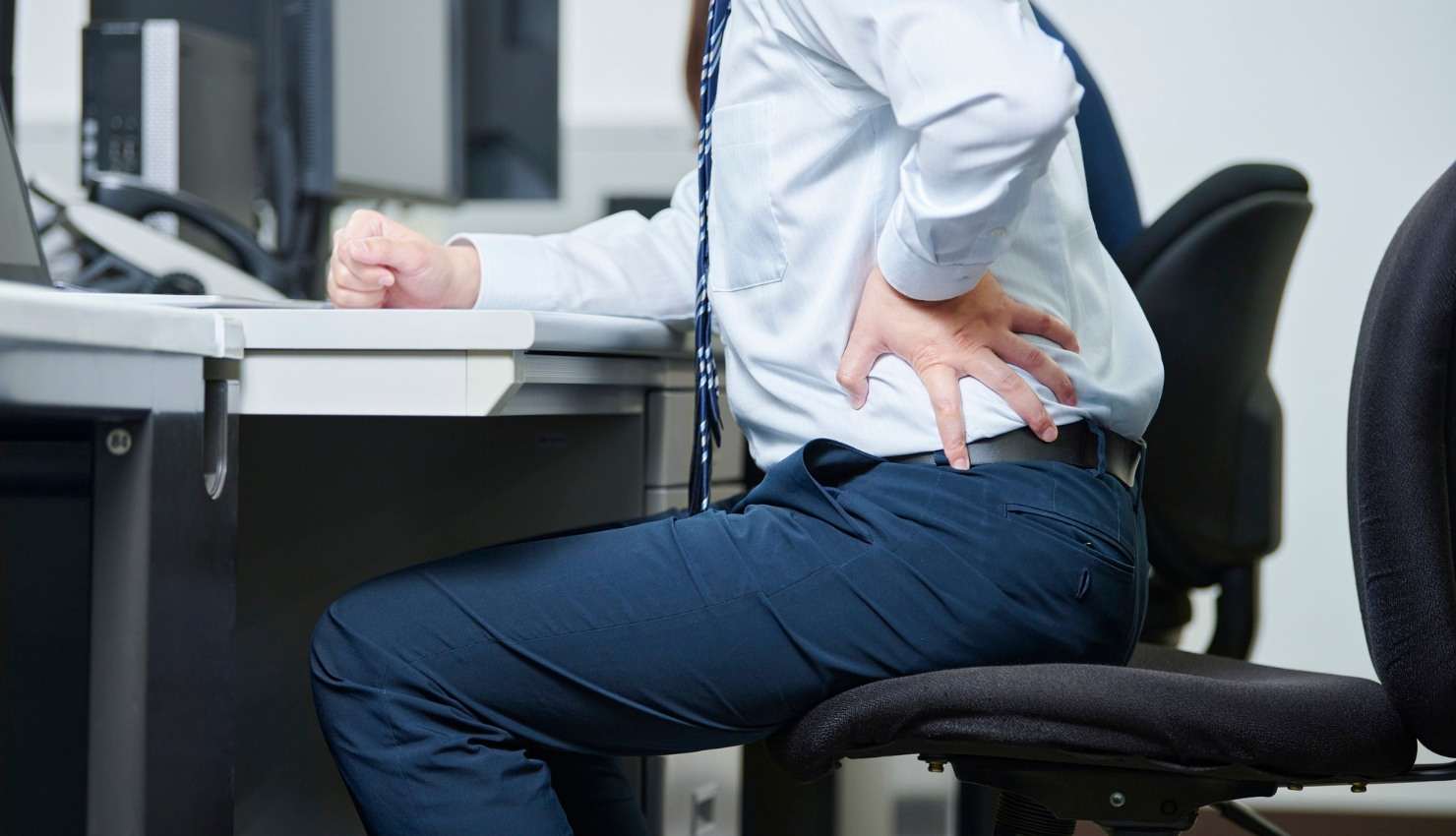
Creating a home office that supports your body isnt just about comfortits about long-term health. A well-designed ergonomic setup reduces muscle strain, improves circulation, and boosts productivity.
a. Start with the Chair:
Choose an ergonomic chair that offers lumbar support and adjustable height. Your hips should be slightly above your knees, with feet flat on the ground or on a footrest.
b. Desk Height Matters:
Your desk should allow your arms to rest parallel to the floor when typing. If its too high, your shoulders will tense; if its too low, youll slouch.
c. Monitor Placement:
As mentioned earlier, eye level matters. If you wear bifocals, consider lowering the monitor slightly to avoid tilting your head back.
d. Lighting and Airflow:
Natural light reduces eye strain and boosts mood. Make sure your workspace is well-lit but free from screen glare. Good ventilation and occasional fresh air breaks also help prevent fatigue.
e. Cable Management and Cleanliness:
A tidy space minimizes distractions and trip hazards. Use cable organizers and keep only essentials within reach to reduce clutter.
f. Optional Add-ons:
Standing desk converter for alternating positions
Laptop stand
Wrist rest to reduce carpal tunnel strain
Anti-fatigue mat if you stand often