Wellness for Dancers brings new meaning to proactive care. Tap into fresh strategies that promote movement and strength.

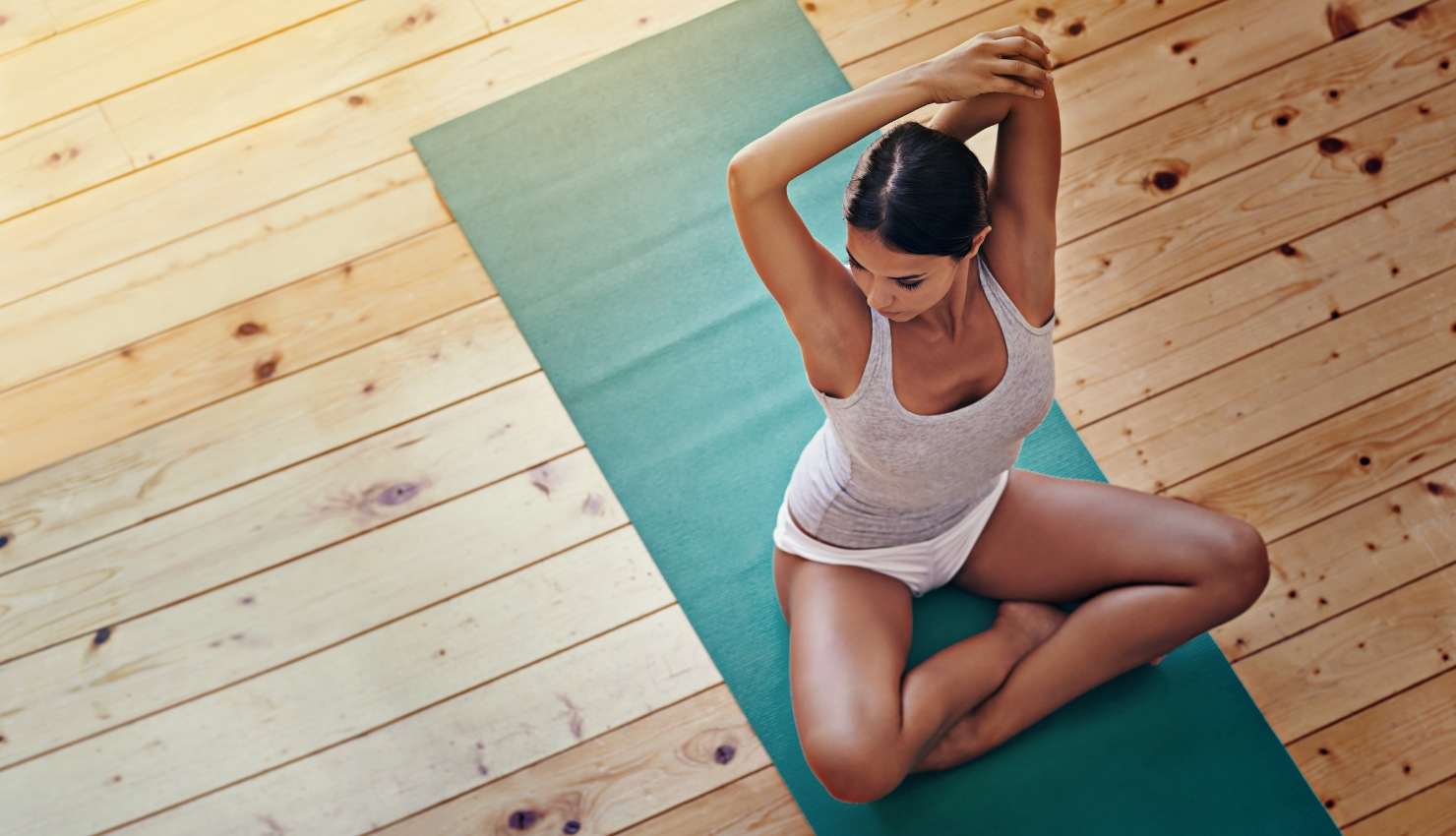
If you’re a dancer, you already know that your body is your instrument. You bend, leap, twist, and spin with gracebut that beauty comes at a cost. Repetition, intensity, and long rehearsal hours can push your body to its limits. So how do you stay strong, flexible, and injury-free?
Enter physiotherapy: your secret weapon for longevity in dance.
Why Physiotherapy Matters for Dancers
Dance is a full-body workout that demands precision, balance, and strength. Unlike casual fitness routines, dance involves highly specialized movements that can strain joints, muscles, and tendons. That’s where physiotherapy steps innot just to treat injuries, but to prevent them before they start.
Think of physiotherapists as movement detectives. They assess how your body moves, identify imbalances or weaknesses, and create personalized plans to correct them. Whether its a nagging ankle twinge or tight hip flexors from endless pliés, theyve got your backliterally.
Preventing Injuries Before They Happen
Lets be honestmissing rehearsals due to injury is a dancers nightmare. Physiotherapy helps dancers avoid this by:
Improving body mechanics: Poor alignment or technique often leads to overuse injuries. A physio can spot those issues and guide you with exercises that reinforce better movement patterns.
Strengthening supporting muscles: Dancers often overuse certain muscle groups (hello, calves and quads!). Physiotherapy strengthens the stabilizerslike glutes and coreto support those overworked areas.
Enhancing proprioception: Big word, simple meaningyour bodys awareness of its position in space. Physiotherapy can train this internal GPS so you land jumps more safely and turn with better control.
Flexibility: The Healthy Way
Yes, dancers need flexibilitybut flexibility without control is like driving a fast car without brakes. Physiotherapy improves flexibility safely, focusing on:
Dynamic stretching routines tailored to your dance style
Myofascial release techniques (think foam rolling and trigger point therapy) to loosen tight tissues
Joint mobility exercises that increase range of motion without compromising stability
The result? Youre not just bendieryoure better balanced and more resilient too.
Recovery Is Part of the Routine
Heres a truth bomb: recovery isnt just for post-performance. It should be part of your weekly dance regimen. Regular physiotherapy sessions help your muscles recover faster, reduce inflammation, and even enhance mental relaxationbecause lets face it, dance is as much mental as physical.
Many physiotherapists also use techniques like:
Dry needling or acupuncture
Massage therapy
Ultrasound and electrotherapy
Cold and heat therapy
All of these can support tissue healing and keep you stage-ready.
Your Dance Career, But Sustainable
Whether youre a student at a dance academy or a seasoned performer, incorporating physiotherapy into your wellness routine is a game-changer. Its not just about fixing injuriesits about sustaining your craft and dancing stronger, longer, and smarter.
So next time you feel a slight ache, stiffness, or imbalance, dont wait for it to worsen. Partner with a physiotherapist who understands dance, and give your body the care it deserves.
Because when your body is well, your art can shine.