Supporting Wellness for Dancers brings new meaning to proactive care. Tap into fresh strategies that promote movement and strength.

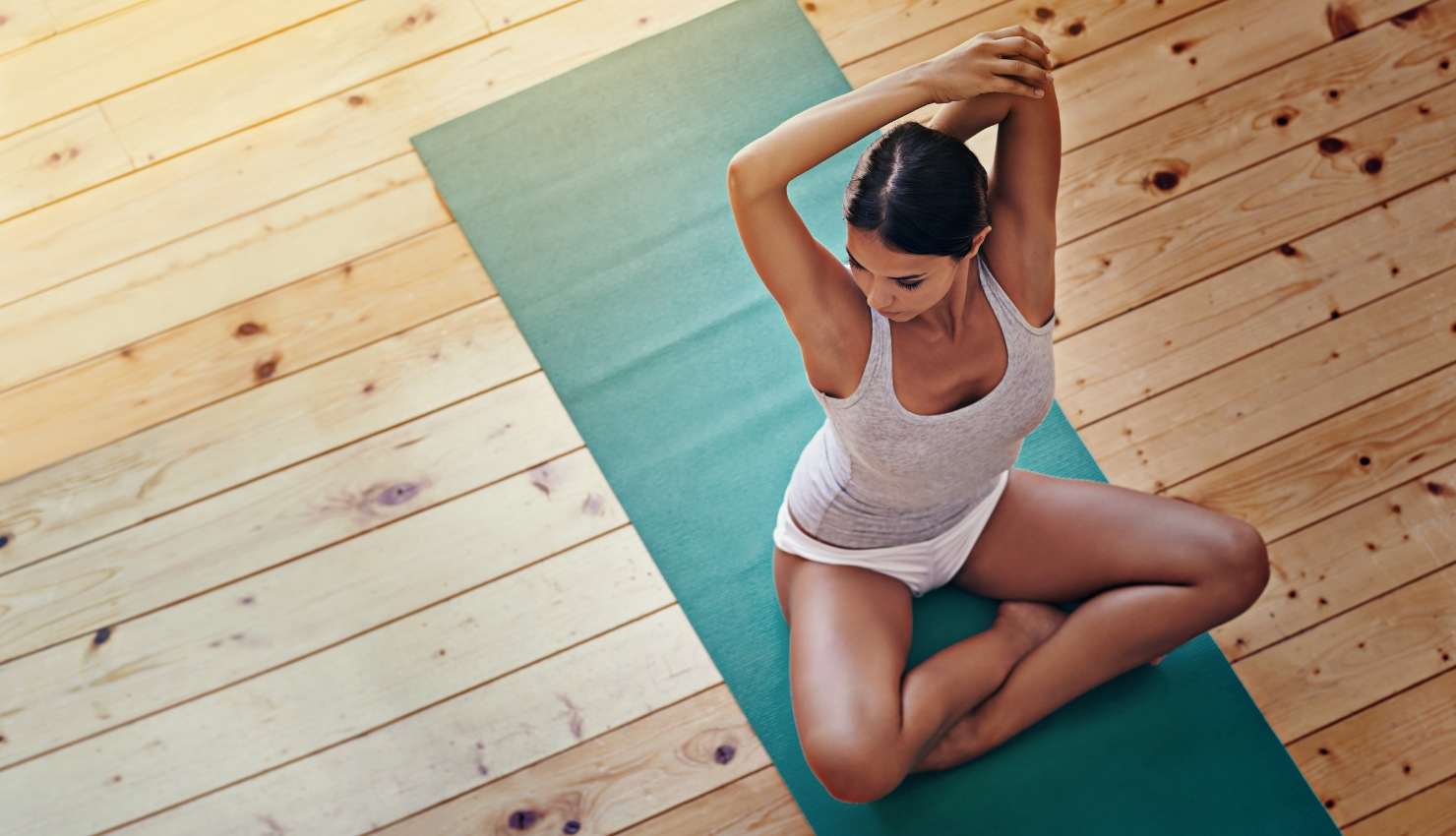
Dancers are artists and athletes rolled into onemoving with precision, grace, and strength. But behind every pirouette and leap lies a foundation of flexibility. Its the secret to clean lines, fluid transitions, and injury-free performances.
However, flexibility isnt just about stretching longer or deeperits about balance, control, and movement integrity. Thats where physiotherapy plays a powerful role, offering dancers the support they need to move more freely, safely, and beautifully.
Lets explore how physiotherapy helps dancers enhance flexibility while promoting total-body wellness.
?? 1. Improving Functional, Dance-Specific Flexibility
Not all flexibility is created equal. Dancers need dynamic, functional range of motionthe kind that supports movement, not just splits on the floor.
Physiotherapy helps by:
Identifying areas of tightness or restriction that limit extension or turnout
Releasing overactive muscles that hinder flexibility
Teaching active stretching techniques to improve control in end ranges
Ensuring flexibility gains are sustainable and safe
You dont just gain more rangeyou learn to own that range on stage.
?? 2. Releasing Tension That Limits Mobility
Overuse, repetitive choreography, and long rehearsals can create muscular knots and tight fascia that restrict flexibility. Physiotherapy offers relief through:
Manual therapy and soft tissue release
Myofascial techniques to restore glide between tissues
Trigger point therapy to reduce tension in chronically tight areas
Gentle joint mobilization for smoother movement
A more relaxed body moves more beautifully and with less resistance.
?? 3. Balancing Strength and Flexibility
Hyper-flexibility without stability can lead to injuries like strains or joint instability. Physiotherapists help dancers:
Strengthen supporting muscles (especially around hips, knees, and ankles)
Improve core stability to protect the spine during extreme ranges
Integrate strength into stretching routines
Train safe, controlled flexibility through resistance and movement drills
Flexibility with control = power, grace, and injury prevention.
?? 4. Addressing Asymmetries and Overuse
Dancers often favor one side or repeat the same movements over and over, leading to imbalances that affect flexibility. Physiotherapy helps correct this by:
Identifying dominant vs. underused muscle groups
Realigning posture and improving symmetry
Offering side-specific mobility work
Preventing overcompensation that leads to tightness or strain
A balanced body performs better and stays flexible longer.
?? 5. Supporting Recovery and Long-Term Wellness
Flexibility isnt just built in the studioits built in recovery. Physiotherapy supports dancers wellness by:
Creating personalized mobility and stretching plans
Helping with recovery between rehearsals and performances
Teaching self-care routines to maintain flexibility offstage
Preventing injuries that can hinder progress
Because your body is your instrumentand physiotherapy helps you keep it finely tuned.
?? In Summary
Flexibility is the soul of danceand physiotherapy helps dancers move with freedom, confidence, and longevity.
With physiotherapy, dancers can:
? Improve functional, controlled flexibility
? Release tension and restore mobility
? Balance strength and stretch for safer movement
? Correct imbalances and prevent injuries
? Stay well and perform at their absolute best
Whether you dance en pointe, barefoot, or in sneakersphysiotherapy keeps your body aligned with your artistry.