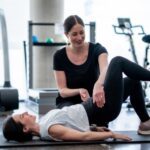
How Movement Supports Mental Health Recovery After Trauma brings new meaning to proactive care. Tap into fresh strategies that promote movement and strength.


Trauma reshapes the way the body and mind respond to the world. It can leave individuals feeling disconnected from themselves, hypervigilant, emotionally numb, or trapped in cycles of fear and avoidance. While talk therapy plays a critical role in helping people process trauma, healing isnt just a mental journeyits also a physical one. At YourFormSux (YFS), we use physiotherapy and movement therapy to help trauma survivors reconnect with their bodies, restore emotional safety, and rebuild resilience from the inside out.
Understanding Trauma in the Body
Trauma is more than just a memoryit lives in the nervous system. When someone experiences a traumatic event, the body stores that experience in muscle tension, posture patterns, and altered breathing. These physical reactions often linger long after the threat has passed, making individuals feel unsafe in their own bodies.
Movement therapy works by gently accessing and releasing this stored trauma. At YFS, we create safe, guided physiotherapy environments where clients can explore movement without fear, pressure, or judgment. Each session is paced to match the individuals comfort level and emotional readiness.
Rebuilding the Mind-Body Connection
After trauma, many people feel disconnected from their physical selves. They may avoid physical sensations, struggle with body image, or experience numbness. Movement therapy helps restore the lost connection between body and mind.
Through breathwork, mindful stretching, and postural alignment, our clients begin to feel more present in their bodies. As they move with intention and care, they reestablish trust in themselves. This process lays the foundation for deeper emotional healing and a renewed sense of identity.
Activating the Parasympathetic Nervous System
Trauma keeps the body in a prolonged state of fight, flight, or freeze. This chronic stress response impacts sleep, digestion, concentration, and mood. Movement therapy, particularly when combined with physiotherapy, activates the parasympathetic nervous systemyour bodys natural relaxation response.
At YFS, we use techniques like diaphragmatic breathing, slow stretching, and rhythmic motion to help shift clients out of survival mode. This not only reduces physical symptoms like tightness and fatigue but also fosters a feeling of calm and safety that supports emotional recovery.
Providing a Safe Framework for Emotional Processing
Trauma therapy often involves reprocessing painful emotions. Movement therapy provides a complementary space where those emotions can be expressed physically. Tension can be released through motion, emotional energy can be shifted through posture work, and moments of overwhelm can be grounded through breath and stillness.
At YFS, our physiotherapists are trained in trauma-informed care. We understand the importance of consent, pacing, and emotional safety. Clients are never pushed beyond their limits. Instead, they are empowered to lead the process and rediscover control over their healing journey.
Empowering Survivors Through Gentle Progression
Trauma often robs individuals of their sense of power and agency. Movement therapy helps rebuild that sense of control, one session at a time. With each movement completed, each breath released, and each moment of reconnection, clients build emotional strength and resilience.
We celebrate small wins at YFSnot for performance, but for personal empowerment. The goal isnt perfection; its progression. Clients are encouraged to move at their own pace and recognize their own strength, no matter where they are in their recovery.
Enhancing Sleep, Focus, and Emotional Stability
Trauma affects all aspects of daily life, including sleep patterns, energy levels, and emotional regulation. Regular movement can help reset these systems. Clients who participate in movement therapy often report better sleep, improved concentration, and fewer emotional outbursts.
By releasing muscle tension and increasing circulation, movement improves the physical conditions necessary for mental clarity. At YFS, we integrate postural therapy, mobility work, and stress-release techniques into each session to support long-term emotional regulation.
Movement Therapy as Part of a Comprehensive Trauma Recovery Plan
Physiotherapy and movement therapy are not meant to replace traditional trauma treatmenttheyre designed to enhance it. When combined with psychotherapy or other mental health interventions, movement therapy strengthens emotional processing, reinforces self-care, and offers a safe outlet for emotional energy.
At YFS, we work collaboratively with mental health professionals to ensure a well-rounded, individualized recovery plan. Our movement-based programs are flexible and adaptive, providing consistent support for each stage of the healing process.
Conclusion: Healing Through Motion
Recovering from trauma isnt a straight lineits a winding journey with emotional highs and lows. But you dont have to walk it alone, and you dont have to rely solely on words to heal. Movement is a powerful language. It allows you to express, release, and transform painquietly, gently, and at your own pace.
At YourFormSux, were here to guide you through that journey. Our trauma-informed movement therapy helps you reclaim your body, calm your mind, and build a future grounded in safety, strength, and self-trust.