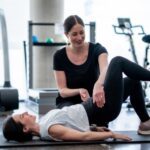
The Mental Health Benefits of Structured Movement and Exercise brings new meaning to proactive care. Tap into fresh strategies that promote movement and strength.


When it comes to supporting mental health, structured movement and exercise are among the most effective tools available. At YourFormSux (YFS), we integrate structured physiotherapy programs to help clients across Canada improve their emotional well-being, cope with psychological challenges, and build resiliencethrough movement designed with purpose and precision.
Why Structure Matters in Movement
Spontaneous physical activity has value, but structured movement offers unique mental health benefits. Structure provides consistency, accountability, and measurable progressall essential for individuals managing anxiety, depression, burnout, or emotional instability.
At YFS, we dont just promote exercise; we create intentional, tailored movement plans that align with each clients physical capacity, emotional state, and lifestyle. This consistency gives clients a framework they can depend on, particularly during mentally challenging times.
Regulating Mood Through Movement
Structured exercise supports the brains production of serotonin, dopamine, and endorphinschemicals that regulate mood and foster emotional stability. These effects arent limited to high-intensity workouts. Even low-impact physiotherapy movements practiced regularly can significantly reduce symptoms of anxiety and depression.
Through programs that combine stretching, strength training, breath coordination, and mobility drills, YFS helps clients find their ideal movement rhythmone that promotes both mental calm and emotional upliftment.
Building Emotional Resilience and Coping Capacity
Movement helps people manage stress not just in the moment, but in the long term. Structured exercise conditions the nervous system to recover more quickly from emotional stress. It teaches the body to respond, not just react. Over time, this strengthens a persons capacity to handle lifes ups and downs.
YFS physiotherapists guide clients through progressive goals that develop both physical and emotional resilience. Each completed session, every small improvement, reinforces confidence and provides momentum during recovery from mental health challenges.
The Mind-Body Connection in Structured Exercise
Movement helps bring the mind and body into alignment. Mental health disorders often cause a disconnect between what we feel emotionally and what we experience physically. Structured physiotherapy rebuilds that connection by encouraging body awareness, improving posture, and supporting functional movement.
At YFS, we integrate mindful movement into all sessions. This means focusing on breath, intention, and sensation during every stretch, rep, or activation. Clients learn how to listen to their bodies, recognize emotional tension patterns, and move in ways that support healing.
Managing Fatigue and Low Motivation with Guided Movement
One major challenge in mental health treatment is low motivation. Depression, in particular, can make even simple tasks feel impossible. Structured movement guided by a physiotherapist reduces the burden of decision-making and creates a supportive space to take actioneven on low-energy days.
We make movement accessible and adaptable at YFS. Whether its a short mobility flow or a seated strength routine, our physiotherapists adjust intensity to meet the client where they are. The goal is to make movement achievable, not overwhelming.
Enhancing Cognitive Function and Mental Clarity
Mental health struggles often come with brain fog, poor focus, and decision fatigue. Structured exercise increases oxygen flow to the brain, enhances neuroplasticity, and supports sharper thinking. Movement isnt just physicalit’s also neurological.
By engaging in regular physiotherapy at YFS, clients report improved mental clarity, better problem-solving, and a greater sense of mental control. These benefits are especially pronounced when movement is consistent and integrated into a broader wellness routine.
Sleep, Stress, and Structured Movement
Sleep disturbances and chronic stress are closely tied to poor mental health. Structured movement addresses both. When practiced consistently, it helps regulate circadian rhythms, reduce cortisol levels, and promote deep, restorative sleep.
At YFS, we create routines that support better sleep hygiene and stress recovery. Our evening sessions may include breath-led stretching, while morning routines might focus on energizing mobilityeach strategically designed to balance the nervous system.
Movement as a Sustainable Mental Health Tool
One of the greatest benefits of structured exercise is its sustainability. Unlike short-term interventions, movement can become a lifelong strategy for emotional and mental wellness. At YFS, we empower clients to take their movement practice beyond the clinicequipping them with skills they can use independently to support their ongoing mental health journey.
We dont just treat; we teach. We dont just guide; we empower.
Making Movement a Core Part of Mental Wellness
Mental health is complex, but the benefits of structured movement are clear: better mood, reduced stress, improved cognitive function, stronger emotional resilience, and greater clarity. At YourFormSux, we are proud to offer physiotherapy that makes movement accessible, supportive, and meaningful for every client.
Let YFS show you how structured movement can be your most reliable ally in mental health recovery and emotional balance. Move with intention. Heal with structure. Grow with every step.