The Role of Movement in Regulating Stress and Anxiety Levels brings new meaning to proactive care. Tap into fresh strategies that promote movement and strength.

Stress and anxiety have become pervasive challenges affecting millions, often leading to physical discomfort and emotional imbalance. While medications and therapy remain common treatments, movement offers a powerful, natural method to regulate these conditions. At YourFormSux (YFS), our physiotherapy approach harnesses movement to help clients reduce stress hormones, calm the nervous system, and achieve lasting emotional balance.
How Stress and Anxiety Impact the Body
Stress and anxiety trigger the bodys fight-or-flight response, releasing cortisol and adrenaline. Prolonged activation of this response can lead to muscle tension, increased heart rate, digestive issues, and disrupted sleep. The body becomes trapped in a cycle of heightened arousal that is difficult to break.
Movement provides a direct pathway to interrupt this cycle by activating physiological systems that promote relaxation and recovery.
Movement as a Regulator of the Nervous System
Movement influences the autonomic nervous system (ANS), which controls involuntary bodily functions. Specifically, it stimulates the parasympathetic nervous system, responsible for rest and digest functions that counteract stress.
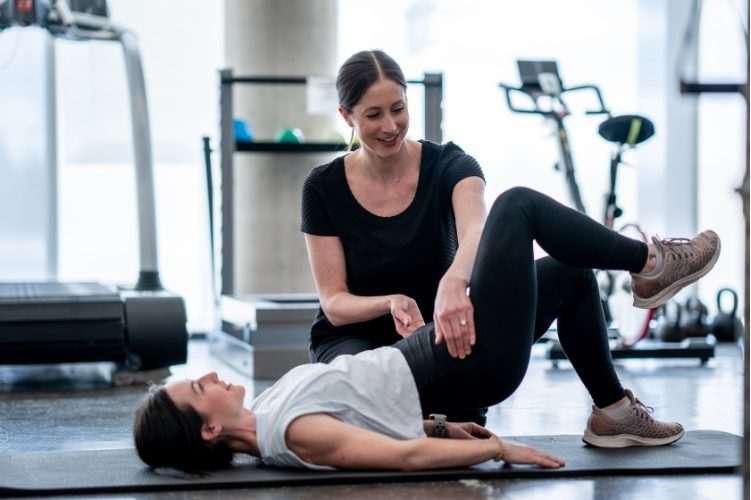
At YFS, physiotherapists design movement programs that encourage slow, rhythmic activities such as stretching, deep breathing exercises, and gentle joint mobilizations to calm the nervous system and reduce anxiety symptoms.
The Science Behind Movement and Stress Reduction
Physical activity increases the production of endorphinsnatural painkillers and mood elevators produced by the brain. Endorphins reduce feelings of stress and anxiety by promoting a sense of well-being.
Movement also lowers cortisol levels, decreasing the physiological impact of stress. These biochemical changes help regulate emotions and improve resilience to future stressors.
Physiotherapy Techniques to Manage Stress and Anxiety
Physiotherapy integrates movement with breathing and relaxation techniques for comprehensive stress management:
Progressive muscle relaxation helps clients release tension held in different muscle groups.
Guided breathing exercises paired with movement regulate heart rate and oxygen flow.
Balance and coordination training enhances body awareness and grounding, reducing anxiety.
Postural correction alleviates physical strain caused by stress-induced poor posture.
The Importance of Mindful Movement
Mindfulnessthe practice of being fully presentis key to regulating stress and anxiety. Physiotherapy encourages mindful movement, where clients focus on body sensations and breath while moving.
This mindful awareness helps break the cycle of racing thoughts and emotional overwhelm, fostering calmness and mental clarity.
Tailored Movement Programs for Individual Needs
Stress and anxiety manifest differently for each person. YFS physiotherapists create customized movement plans that address individual triggers, physical limitations, and lifestyle factors. Whether through low-impact exercises, gentle yoga-inspired movement, or targeted stretching, every program aims to restore balance and ease.
Long-Term Benefits of Movement for Anxiety Management
Regular movement offers sustainable relief from stress and anxiety by rewiring the nervous system to respond more calmly to triggers. Over time, clients notice reduced symptom severity, better sleep quality, and improved emotional regulation.
Consistent physiotherapy sessions support adherence and progression, building resilience and enhancing mental health stability.
Encouraging Movement as Part of Daily Life
Incorporating movement into daily routines is essential for ongoing stress management. Physiotherapists guide clients in establishing achievable movement habits that can be maintained independently. These small, regular sessions prevent stress buildup and support overall mental wellness.
Movement Complements Other Stress-Reduction Strategies
Movement-based physiotherapy works best alongside other stress management techniques such as counseling, meditation, and lifestyle adjustments. At YFS, we emphasize a holistic approach that integrates movement with broader mental health care.
Conclusion
Movement is a natural and effective way to regulate stress and anxiety levels. Through physiotherapys tailored programs, individuals can calm their nervous systems, reduce physical tension, and regain emotional balance. YourFormSux offers expert guidance to help clients harness the power of movement as a cornerstone of mental health and stress management.