Movement for Mental Health brings new meaning to proactive care. Tap into fresh strategies that promote movement and strength.

Mental health is deeply connected to physical well-being, and movement plays a vital role in healing and maintaining emotional balance. Physiotherapy, a practice often associated with injury recovery and physical rehabilitation, is increasingly recognized for its benefits in supporting mental health through movement-based therapies.
The Connection Between Movement and Mental Health
Movement influences the brain in profound ways. Regular physical activity enhances neuroplasticity, which is the brains ability to adapt and rewire itself. This adaptability is crucial for recovering from mental health disorders like depression and anxiety. Movement also stimulates the production of neurotransmitters such as serotonin and dopamine, which regulate mood and emotional responses.
Incorporating movement through physiotherapy not only addresses physical limitations but also boosts mental clarity and emotional resilience.
How Physiotherapy Supports Mental Health Healing
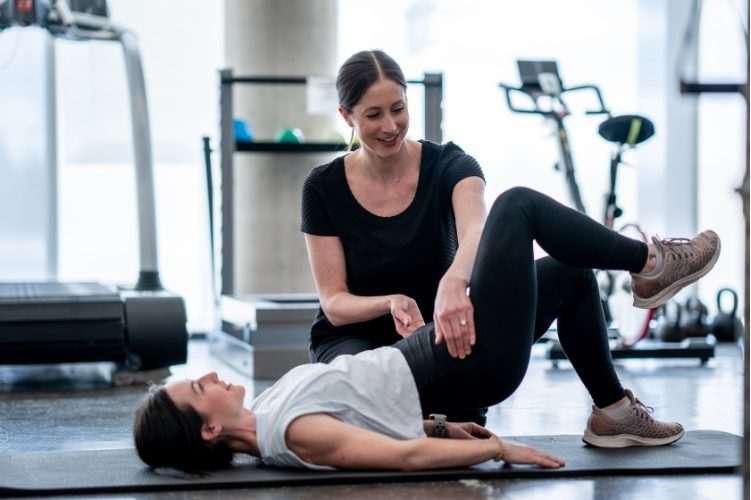
Physiotherapists specialize in creating personalized movement plans that consider both physical and psychological needs. They help patients overcome barriers such as chronic pain, fatigue, or mobility issues that might prevent them from engaging in exercise independently.
Physiotherapy sessions often include exercises that improve posture, balance, and flexibility, which in turn reduce physical stress and improve breathing patterns. Improved breathing techniques are linked with reduced anxiety and better emotional regulation, making physiotherapy a holistic approach to mental health healing.
Movement Therapy Techniques Used in Physiotherapy
Some common physiotherapy techniques beneficial for mental health include:
Gentle stretching and mobility exercises: Help release muscle tension that may be linked to emotional stress.
Breathing exercises: Promote relaxation and reduce symptoms of panic and anxiety.
Guided movement: Encourages mindfulness and body awareness, fostering a deeper mind-body connection.
Low-impact aerobic exercises: Increase cardiovascular health and stimulate mood-enhancing brain chemicals.
These approaches create a supportive environment where individuals can safely engage in movement that nurtures their mental and emotional well-being.
Benefits of Movement-Based Physiotherapy
Patients who incorporate physiotherapy into their mental health recovery often report improved mood, decreased anxiety levels, better sleep, and increased energy. Physiotherapys emphasis on gradual progress ensures sustainable improvements without overwhelming the individual.
Moreover, movement therapy through physiotherapy provides structure and routine, which are important factors in mental health maintenance. The guidance of a professional reduces the risk of injury and promotes confidence in physical ability.
Making Movement a Part of Your Mental Health Journey
At YourFormSux, we advocate for movement as a core component of mental health care. Physiotherapy offers tailored solutions that respect your unique physical and mental health challenges. Our therapists work with you to build a movement practice that not only strengthens your body but also supports emotional healing and resilience.
Incorporating physiotherapy-led movement into your life can help break the cycle of inactivity and emotional distress, leading to improved overall wellness.
Conclusion
Movement is a powerful tool in managing mental health challenges, and physiotherapy makes it accessible and effective. Through personalized care and targeted movement therapy, physiotherapy helps individuals heal emotionally while strengthening the body. YourFormSux is dedicated to supporting your mental health recovery through expert physiotherapy services in Canada.