How Physiotherapy Helps Align Mental Health and Physical Movement brings new meaning to proactive care. Tap into fresh strategies that promote movement and strength.

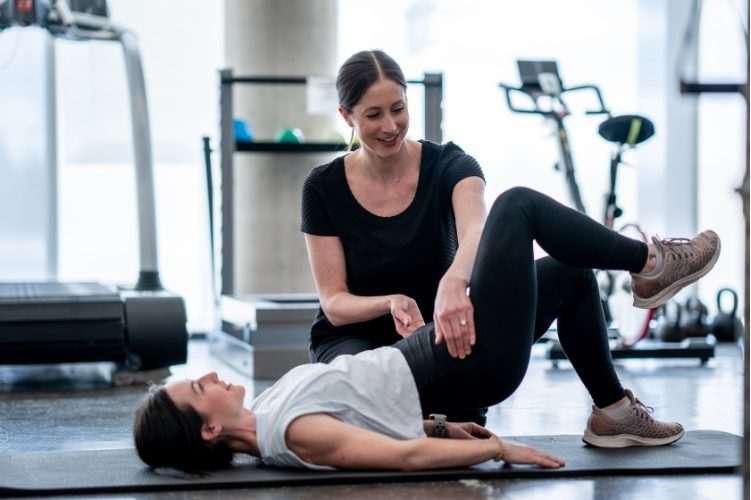
Mental health and physical movement are deeply interconnected, but many people struggle to align these two for optimal well-being. Physiotherapy offers a unique approach to bridging this gap by combining therapeutic movement with mental health awareness, helping individuals achieve better emotional and physical balance.
The Connection Between Movement and Mental Health
Movement affects the brains chemistry by releasing mood-enhancing neurotransmitters and reducing stress hormones. However, poor posture, chronic pain, or movement limitations can create physical discomfort that negatively impacts mental health. This is where physiotherapy plays a critical role in addressing both the mind and body.
How Physiotherapy Supports Mental Health Alignment
Restores Proper Posture and Movement Patterns
Poor posture and dysfunctional movement can contribute to muscle tension and pain, which increase stress and anxiety. Physiotherapists work to correct these issues, reducing physical strain that can worsen mental health symptoms.
Relieves Physical Stress to Calm the Mind
By using manual therapy and targeted exercises, physiotherapy reduces muscle tightness and promotes relaxation, helping to soothe the nervous system and reduce feelings of anxiety and depression.
Improves Breath Control
Breathing is a bridge between mind and body. Physiotherapists teach breath control techniques to activate the parasympathetic nervous system, promoting calmness and mental clarity during movement.
Encourages Mindful Movement
Physiotherapy integrates mindfulness with physical exercise, helping clients become aware of how their bodies feel and move. This awareness enhances emotional regulation and self-care.
Builds Confidence Through Physical Progress
Improving strength, flexibility, and mobility increases self-esteem and motivation, key components in overcoming mental health challenges.
Personalized Movement Plans for Mental Health
At YourFormSux, physiotherapists design individualized programs that consider each persons mental and physical health needs. These plans incorporate gentle, effective movements that improve body mechanics while supporting emotional well-being.
Benefits Beyond Physical Health
Aligning mental health with physical movement through physiotherapy leads to improved sleep, better stress management, increased energy, and greater overall life satisfaction. This holistic approach addresses the root causes of mental health challenges by healing the body and mind together.
Getting Started with Physiotherapy for Mental Health
Consult a Licensed Physiotherapist
Receive a comprehensive assessment to identify physical and emotional needs.
Commit to Regular Sessions
Consistency is key to building lasting alignment.
Practice Home Exercises
Supplement in-clinic therapy with at-home routines focusing on breath and movement.
Communicate Openly
Share mental health concerns with your physiotherapist for tailored care.
Conclusion
Physiotherapy offers an effective path to align mental health and physical movement, fostering a balanced mind and body. Through personalized care at YourFormSux, you can overcome physical barriers that impact mental well-being and embrace a healthier, more harmonious life.