Overcoming Mental Health Challenges with the Power of Movement brings new meaning to proactive care. Tap into fresh strategies that promote movement and strength.


Mental health challenges such as anxiety, depression, and chronic stress can feel overwhelming. Yet, one accessible and effective tool to support recovery and resilience lies in the power of movement. Moving your body intentionally, especially through guided physiotherapy, can play a transformative role in overcoming mental health struggles and building emotional strength.
Why Movement Matters in Mental Health Recovery
Physical movement influences brain chemistry by increasing the release of endorphins, dopamine, and serotoninneurotransmitters that improve mood and reduce pain. Regular movement also helps regulate the bodys stress response by lowering cortisol levels. These biological changes are vital for managing symptoms of depression, anxiety, and other mental health conditions.
Beyond chemistry, movement reconnects individuals with their bodies, fostering self-awareness and control that can be lost during mental health crises.
How Movement Helps Overcome Specific Mental Health Challenges
Anxiety
Movement calms the nervous system and diverts attention away from worry, helping reduce anxious thoughts and physical symptoms like rapid heartbeat.
Depression
Exercise combats fatigue and lethargy common in depression, increases energy, and breaks the cycle of negative thinking.
Stress
Movement helps release built-up muscle tension caused by chronic stress, promoting relaxation and better sleep.
Post-Traumatic Stress Disorder (PTSD)
Movement therapies, combined with physiotherapy, can aid trauma recovery by helping the body process stored tension and restore a sense of safety.
The Role of Physiotherapy in Movement for Mental Health
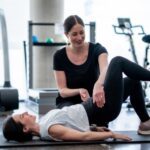
Physiotherapists provide expert guidance to ensure movement is safe, effective, and tailored to individual needs. At YourFormSux, therapists incorporate techniques like gentle stretching, breath work, and strength exercises that reduce pain and promote emotional balance.
Physiotherapy also addresses physical barriers such as injury or chronic pain that might otherwise prevent movement, making it easier to engage consistently and confidently.
Practical Tips to Harness Movements Power
Start Small: Begin with gentle activities like walking or stretching.
Be Consistent: Aim for daily movement to maintain mental health benefits.
Incorporate Mindfulness: Focus on your body and breath during movement.
Seek Professional Support: Work with a physiotherapist to create a safe, personalized plan.
Celebrate Progress: Recognize small improvements in mood and physical health.
Why Choose YourFormSux for Your Movement Journey?
YourFormSux offers compassionate physiotherapy programs designed to support mental health recovery through movement. Our tailored approach respects your unique challenges and helps you build strength physically and emotionally.
Conclusion
The power of movement is a proven ally in overcoming mental health challenges. By engaging in purposeful physical activity supported by physiotherapy, you can reduce symptoms, build resilience, and improve overall well-being. Movement offers hope and healingone step at a time.