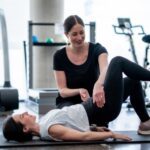
Movement-Based Therapy for Emotional Health and Mental Resilience brings new meaning to proactive care. Tap into fresh strategies that promote movement and strength.


Mental health is not just a state of mindits a full-body experience. Your posture, breath, muscle tone, and mobility all reflect and influence your emotional health. Thats why movement-based therapy, especially under the guidance of a licensed physiotherapist, is emerging as a powerful approach to build emotional resilience and improve mental health.
At YourFormSux in Canada, physiotherapy is more than physical rehabits a holistic journey that includes emotional healing through intentional movement.
What Is Movement-Based Therapy?
Movement-based therapy combines the science of physiotherapy with the understanding that your body and mind are intrinsically linked. It goes beyond general exercise routines to deliver focused, therapeutic movement strategies designed to ease emotional stress, anxiety, and depression.
This approach doesnt just help you feel better physicallyit fosters emotional clarity, nervous system regulation, and improved self-awareness.
Why Movement Matters for Mental Resilience
Emotional resilience is your ability to bounce back from stress, adapt to change, and remain grounded during challenging times. When youre physically tense, fatigued, or misaligned, your resilience diminishes. Physiotherapy uses strategic movement to:
Restore postural balance
Release muscular tension
Promote relaxation
Stimulate mood-enhancing brain chemicals
Build body confidence
Each of these outcomes contributes directly to stronger mental and emotional health.
How Physiotherapy Uses Movement to Build Resilience
At YFS, physiotherapists create tailored movement plans based on your emotional and physical needs. These may include:
1. Nervous System Regulation Techniques
Controlled movements paired with slow, diaphragmatic breathing calm the sympathetic nervous system, reducing symptoms of anxiety, racing thoughts, and panic. This allows your body to reset from a place of safety.
2. Tension Release Through Stretching and Mobility Work
Emotional tension is often stored in muscles and joints. Targeted physiotherapy movements help release tension in the hips, shoulders, neck, and backareas that commonly hold emotional stress.
3. Core Strength and Stability Training
A strong core improves your posture, breath support, and confidence. These elements are essential when facing emotional challenges. Feeling physically supported reinforces emotional stability.
4. Grounding and Balance Exercises
Balance-focused techniques reorient your mind and body to the present moment. Grounding through movement helps regulate mood swings and brings clarity during moments of emotional overload.
5. Mindful Movement Practices
When you focus attention on how your body moves, you become more aware of how emotions show up physically. This mindfulness fosters emotional intelligence and helps reduce reactive behavior.
Emotional Health Challenges That Benefit from Movement
Physiotherapy-based movement therapy can be a powerful part of managing and recovering from:
Generalized anxiety and stress disorders
Depression and emotional numbness
Post-traumatic stress symptoms
Burnout and emotional exhaustion
Grief and adjustment challenges
Whether you’re experiencing low energy or heightened emotional sensitivity, guided movement helps you process emotions in a non-verbal, supportive way.
Building Emotional Awareness Through Body Movement
Your body is constantly sending messages about how you feel. Through physiotherapy, you learn to recognize these signalstight shoulders, shallow breath, poor postureand respond to them before they become chronic emotional or physical issues.
For example, noticing when your chest tightens under stress can prompt a breathing and stretching routine that prevents an anxiety spiral. This body-mind feedback loop is key to building long-term emotional resilience.
Consistency Is Key to Mental Health Progress
Like emotional healing, movement-based therapy requires consistency. Physiotherapy provides structured, manageable routines that evolve with your progress. A typical program might include:
Three short movement sessions per week
Daily posture check-ins and breathwork
Weekly check-ins to assess emotional and physical improvements
Each movement reinforces the bodys role in supporting emotional health and resilience.
Final Thoughts
Emotional health cannot be separated from physical well-being. Movement-based therapy bridges this connection, using physiotherapy to help you build the resilience needed for lifes emotional challenges. Whether you’re recovering from burnout, dealing with anxiety, or simply seeking more balance, physiotherapy at YourFormSux offers a movement-based path to healing.
With the right guidance and support, your body becomes a powerful partner in your emotional growth. Let movement help you become more grounded, more resilient, and more in control of your mental health journey.