The Benefits of Moving Your Body for Mental Health Recovery brings new meaning to proactive care. Tap into fresh strategies that promote movement and strength.

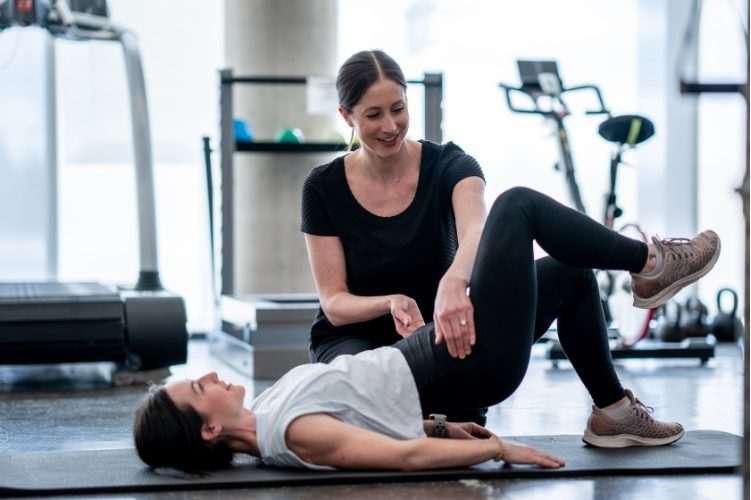
When recovering from mental health challenges like anxiety, depression, burnout, or emotional trauma, its easy to underestimate the power of physical movement. Yet, movement is one of the most natural and effective tools for healing the mind. Guided by professional physiotherapy, movement becomes more than exerciseit becomes a mental reset, a grounding practice, and a catalyst for long-term recovery.
At YourFormSux in Canada, physiotherapists integrate movement into personalized care plans to help individuals reconnect with their bodies, reduce mental strain, and support lasting emotional wellness.
Why Movement Supports Mental Health Recovery
Movement influences the brain and body in ways that directly impact how we feel, think, and process stress. When you move with intention, you activate your bodys ability to produce mood-enhancing chemicals, regulate nervous system function, and release muscle-held emotions.
Unlike random workouts or high-pressure fitness routines, movement through physiotherapy is customized and restorative. It helps rebuild the connection between the mind and bodyoften the first connection to break during emotional distress.
Key Benefits of Movement for Emotional Recovery
1. Lifts Mood Naturally
When you move, your brain releases dopamine and serotoninneurotransmitters that help manage mood and reduce symptoms of depression and anxiety. Regular, low-intensity movement provides consistent mental boosts without side effects.
2. Reduces Physical Manifestations of Stress
Mental health struggles often present physicallytight shoulders, stiff joints, shallow breath, or fatigue. Movement therapy targets these symptoms, easing the physical burden so the emotional body can begin to heal.
3. Restores Mind-Body Awareness
Movement helps you become more attuned to your body. When recovering from mental health challenges, this reconnection is key. It builds emotional self-awareness, resilience, and the ability to sense stress before it escalates.
4. Rebuilds Confidence and Control
Each stretch, squat, or breath-based movement becomes a step toward reclaiming control. Movement-based physiotherapy rebuilds confidence slowly and safely, especially for those who feel disconnected or stuck in survival mode.
5. Helps Create Healthy Routines
Mental health recovery thrives on routine. Movement sessionswhether 10 minutes of stretching or guided mobility workoffer structure that grounds your day and provides moments of accomplishment.
What Physiotherapy-Based Movement Looks Like
At YFS, your movement plan isnt one-size-fits-all. Instead, physiotherapists assess your physical condition, emotional needs, and mental health history to design a tailored program. It may include:
Breathing and stretching sequences
Posture correction for emotional and physical openness
Low-impact strength work to build energy
Gentle mobility drills to restore joint function
Somatic exercises to release trauma stored in muscles
All techniques are taught in a compassionate, non-judgmental spacefocused on safety and healing rather than performance.
Movement for Different Stages of Recovery
Your movement needs will shift as your mental health improves. During early recovery, the goal might be to activate the body gently and improve energy levels. As your resilience builds, you might shift to balance work, posture alignment, or strength development.
This gradual, evolving approach ensures that your movement practice always supportsnot overwhelmsyour recovery process.
The Long-Term Mental Health Gains
Consistent movement has lasting benefits. Clients at YourFormSux often report:
Improved sleep quality and energy
Reduced frequency of anxious thoughts
Decreased physical tension and fatigue
A greater sense of emotional stability
A more positive, grounded body image
These outcomes reinforce the healing process and reduce the chances of future mental health relapses.
Final Thoughts
Mental health recovery is not just about talking through emotionsits also about physically moving through them. Physiotherapy-based movement gives you the tools to regulate your mind through your body. Its a simple, sustainable, and science-backed approach to healing.
At YourFormSux in Canada, we help individuals use movement as a foundation for recovery. Whether you’re just starting to heal or are working to maintain your progress, movement can be your most consistent and empowering ally.
Let movement guide your way back to balance.