Movement for Mental Health brings new meaning to proactive care. Tap into fresh strategies that promote movement and strength.

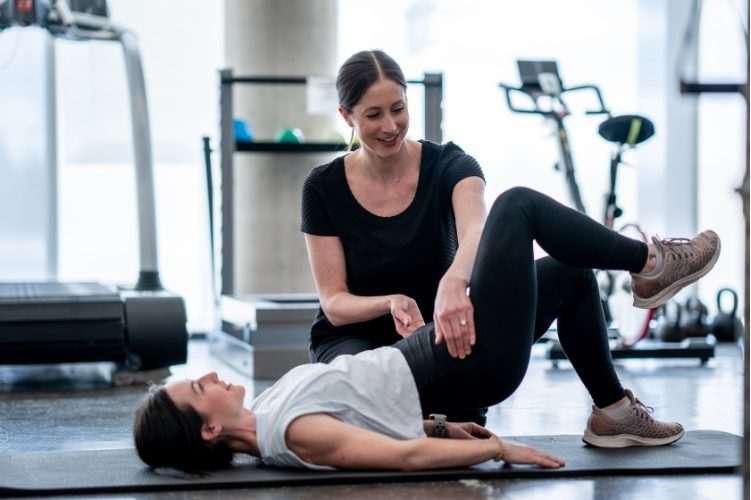
Supporting mental health through movement isn’t just about exerciseit’s about intention, consistency, and guidance. When movement is structured through physiotherapy techniques, it becomes a therapeutic tool for emotional recovery, resilience, and long-term wellness. At YourFormSux (YFS), we help clients across Canada improve their mental health by integrating movement with expert physiotherapy principles.
Why Movement Matters for Mental Health
Movement influences the body and brain in profound ways. It improves circulation, enhances mood-regulating neurotransmitters like serotonin and dopamine, and promotes neuroplasticitythe brains ability to adapt and recover. But more importantly, it provides an outlet for stress, reduces anxiety, and restores emotional stability. When paired with physiotherapy, movement becomes a safe, tailored, and impactful healing method.
How Physiotherapy Enhances Movement-Based Mental Health Strategies
Physiotherapy is different from general exercise routines. It’s not about pushing harder or reaching fitness milestonesit’s about supporting your body and nervous system in a sustainable way. At YFS, physiotherapy techniques are used to:
Release muscle tension caused by stress or trauma
Correct posture that reflects emotional withdrawal or fatigue
Improve breath coordination for nervous system regulation
Support joint mobility to release stored tension
Build structured routines that promote daily stability
These therapeutic movement patterns are clinically designed to support both physical and emotional recovery.
Incorporating Physiotherapy Into Your Mental Health Routine
You dont need to dedicate hours to feel better. Start small, stay consistent, and focus on quality of movement rather than intensity. Heres how to begin:
1. Start with Breath-Based Movement
Your breath controls your nervous system. Deep diaphragmatic breathing paired with light stretches helps shift the body from a state of stress to one of calm. At YFS, we often begin mental health-focused sessions with breath-led movement to establish internal balance.
2. Use Posture Awareness to Improve Emotional States
Poor posture not only causes physical discomfortit reinforces emotional slumps. A collapsed chest can reflect sadness or anxiety. Physiotherapy helps recondition posture through gentle core engagement and spine lengthening, which in turn boosts confidence and emotional openness.
3. Add Gentle Functional Exercises
Movement for mental health doesnt mean intense workouts. Functional, low-impact exercises like hip openers, shoulder rolls, and pelvic tilts activate the muscles and nervous system without overwhelming the body. These exercises can be performed at home in short intervals and adapted as your confidence grows.
4. Use Movement to Create Daily Anchors
Mental health symptoms often disrupt routines. Short physiotherapy-guided movement sessions at the start or end of your day can create mental structure. These rituals help signal to your brain that you are safe, grounded, and in controlkey pillars of emotional resilience.
Managing Anxiety and Depression Through Movement
Anxiety and depression manifest physically through tension, fatigue, poor coordination, and restlessness. Physiotherapy addresses these symptoms using:
Soft tissue mobilization
Muscle relaxation techniques
Slow, controlled range-of-motion exercises
Movement sequences paired with breath pacing
These techniques release trapped energy, ease nervous tension, and promote better emotional regulation.
Building a Mind-Body Connection
One of the greatest benefits of physiotherapy-based movement is enhanced self-awareness. By paying attention to how your body feels, moves, and breathes, you become more in tune with your emotional landscape. This connection is vital for managing mental health symptoms early and effectively.
Overcoming Resistance and Low Motivation
Mental health conditions can make it hard to get moving. At YFS, we recognize that motivation can fluctuate. Thats why our programs are designed to be flexible, supportive, and client-centered. We help you set achievable movement goals that align with your energy levels and emotional needs.
Long-Term Mental Health Resilience
Movement builds resiliencephysically and emotionally. As your body becomes more agile, stable, and aligned, your mind follows. The act of consistently showing up for your body builds discipline, self-respect, and trustimportant psychological traits for long-term mental wellness.
The YFS Difference in Mental Health Support
At YourFormSux, we dont see movement as a one-size-fits-all solution. Every persons mental health journey is different, and so is their body. Our physiotherapy techniques are adapted for your pace, your story, and your healing goals. Whether you’re recovering from emotional trauma, dealing with chronic stress, or simply feeling overwhelmed, our movement-based therapy offers a path forward.
Conclusion: Movement, Made Meaningful
Physiotherapy-based movement is more than just physicalits emotional, intentional, and deeply healing. By incorporating structured movement into your mental health routine, youre taking a proactive step toward clarity, resilience, and emotional strength. With the right guidance, movement becomes a tool that supports your mind, body, and life.