How Movement Relieves Stress and Supports Mental Health Recovery brings new meaning to proactive care. Tap into fresh strategies that promote movement and strength.

Stress can weigh heavily on both the mind and body, impacting mental health and overall quality of life. Movement is a natural and effective way to alleviate stress and support mental health recovery. At Your Form Sux, we emphasize the therapeutic role of movement in reducing stress and enhancing emotional well-being.
The Connection Between Stress and the Body
Stress activates the bodys sympathetic nervous system, leading to increased heart rate, muscle tension, and the release of stress hormones like cortisol. Prolonged activation can disrupt sleep, impair concentration, and increase anxiety or depressive symptoms.
Because stress has physical manifestations, addressing the body through movement is a vital component of managing mental health.
How Movement Alleviates Stress
Movement helps regulate the bodys stress response in several ways:
Endorphin Release: Physical activity triggers the release of endorphinsnatural chemicals that reduce pain and elevate mood, acting as natural stress relievers.
Reduction of Cortisol Levels: Regular movement lowers cortisol, the hormone primarily responsible for stress, helping to rebalance hormonal levels.
Activation of the Parasympathetic Nervous System: Movement, especially gentle forms such as yoga or walking, promotes relaxation by activating the parasympathetic system, which counters the fight-or-flight response.
Muscle Tension Relief: Movement reduces tightness and stiffness caused by stress, easing physical discomfort that can intensify mental strain.
Types of Movement Effective for Stress Relief
Not all physical activity needs to be intense to be beneficial. Some of the best movement types for stress reduction include:
Yoga and Stretching: Combining mindful breathing with gentle movement enhances relaxation and body awareness.
Walking or Light Aerobics: Simple, rhythmic activities help clear the mind and boost endorphins.
Tai Chi and Qigong: These slow, flowing exercises promote mental calm and physical balance.
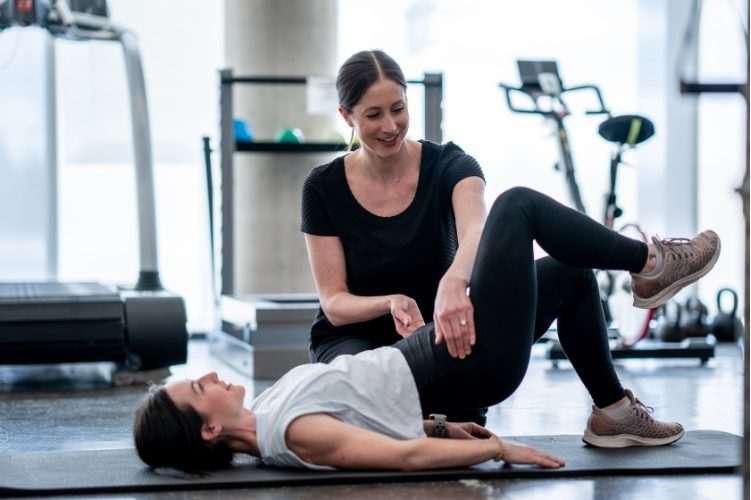
Physiotherapy-Guided Movement: Customized routines focus on areas of tension and promote recovery, tailored to individual needs.
Movement as Part of Mental Health Recovery
Movement does more than relieve immediate stressit plays a role in long-term mental health recovery. Regular activity improves sleep, boosts energy, and supports cognitive function, all of which are essential to healing.
Incorporating movement into recovery plans fosters resilience by helping the brain and body adapt to stress more effectively, reducing the risk of relapse or worsening symptoms.
Creating a Sustainable Movement Practice
Consistency is key. Start with small, manageable movement goals that fit your lifestyle. Over time, gradually increase the duration and intensity based on your comfort and progress.
Your Form Sux physiotherapists can guide you in developing a sustainable movement plan that supports your mental health goals and physical capabilities.
Final Thoughts
Movement is a powerful, natural strategy to relieve stress and aid mental health recovery. By integrating movement into your daily routine, you can calm your nervous system, ease physical tension, and support emotional healing. At Your Form Sux, were here to help you harness movements healing power for lasting mental health benefits.