The Importance of Stretching in Physiotherapy explores targeted strategies for recovery. Discover new paths to mobility, healing, and personalized care.

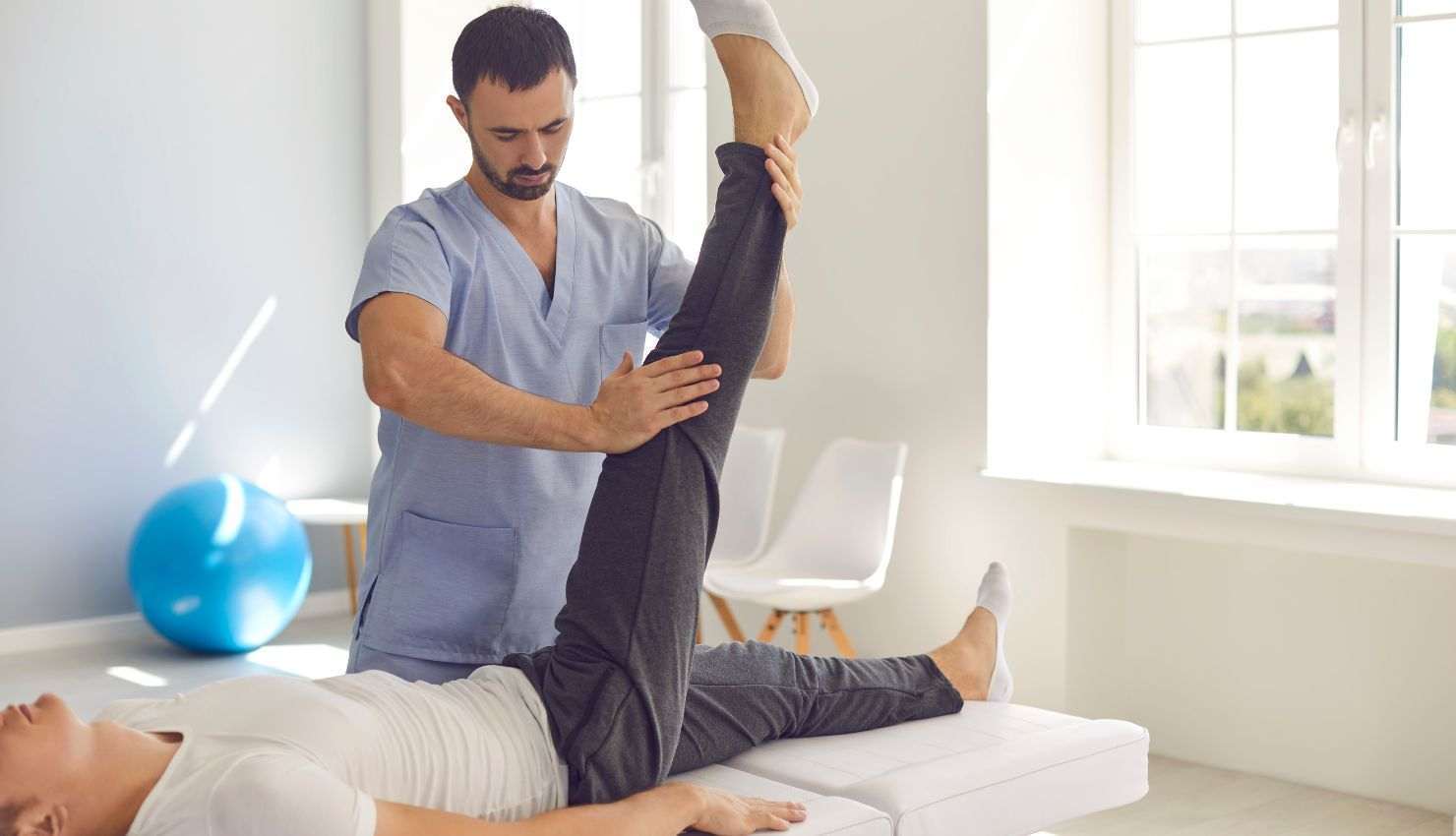
Stretchingit’s often seen as a simple warm-up or cool-down activity, but its role in physiotherapy is much deeper and more impactful than many realize. Whether youre recovering from an injury, managing chronic pain, or simply trying to maintain your bodys mobility, stretching is a foundational component of effective physiotherapy care.
In this blog, well dive into why stretching is so important in physiotherapy, explore the benefits it offers, and explain some key techniques that physiotherapists use to help their patients move better and feel healthier.
Why Stretching Matters in Physiotherapy
Your muscles, tendons, and connective tissues naturally shorten and tighten with age, injury, or inactivity. Without regular stretching, this tightness can lead to limited range of motion, discomfort, and an increased risk of injury.
Physiotherapists understand that stretching is not just about making your muscles longer but about restoring balance, improving tissue elasticity, and enhancing joint function. Its a vital tool to:
Reduce muscle tension
Improve flexibility and mobility
Promote better circulation
Support injury prevention and recovery
Benefits of Stretching in Physiotherapy
Physiotherapy-led stretching offers targeted benefits that go beyond what general stretching routines can achieve:
1. Improved Range of Motion and Flexibility
Stiff muscles and tight connective tissues restrict movement. Physiotherapy stretching techniques focus on gradually increasing tissue length and elasticity, helping restore your full range of motion. This is particularly important after injuries or surgeries when scar tissue and immobilization can cause stiffness.
2. Pain Reduction
Tight muscles often contribute to discomfort and pain. Stretching helps relax these muscles, releasing tension and improving blood flow, which can reduce soreness and alleviate chronic pain conditions like lower back pain or neck stiffness.
3. Enhanced Posture and Alignment
Muscle imbalances caused by tightness or weakness can lead to poor posture. By stretching tight muscles and strengthening their opposing groups, physiotherapy helps rebalance your body, improving posture and reducing strain on joints.
4. Injury Prevention
Regular stretching improves flexibility and prepares your muscles for activity, reducing the risk of strains and tears. Physiotherapists incorporate stretching as part of comprehensive injury prevention programs tailored to your specific needs.
5. Faster Recovery
After injury or surgery, tissues can become stiff and less flexible. Physiotherapy-guided stretching helps break down adhesions, improve circulation, and accelerate healing, enabling you to regain function faster.
Key Stretching Techniques Used in Physiotherapy
Physiotherapists apply a variety of stretching techniques depending on your condition, goals, and stage of recovery. Here are some common approaches:
1. Static Stretching
This involves slowly stretching a muscle to the point of mild discomfort and holding that position for 20-60 seconds. Static stretching is effective for improving flexibility and is often used during rehabilitation to gently lengthen shortened muscles.
2. Dynamic Stretching
Dynamic stretches involve moving parts of your body through their full range of motion in a controlled way. These active movements help warm up muscles and prepare them for activity, often used before sports or exercise.
3. Proprioceptive Neuromuscular Facilitation (PNF)
PNF is an advanced technique combining passive stretching and muscle contractions. Its highly effective for improving flexibility by engaging the neuromuscular system. Physiotherapists use PNF to help patients achieve greater stretch gains safely.
4. Myofascial Release Stretching
This technique targets the fasciathe connective tissue surrounding muscles. Tight fascia can limit movement and cause pain. Myofascial release involves gentle sustained pressure combined with stretching to release restrictions and improve tissue mobility.
5. Active Isolated Stretching (AIS)
AIS involves holding stretches for only 1-2 seconds and repeating multiple times. This method allows muscles to lengthen without triggering protective reflex contractions and is useful for improving flexibility and circulation.
When and How Physiotherapists Integrate Stretching
Physiotherapists dont just hand out stretching instructionsthey carefully assess your condition to determine the safest and most effective stretching plan. They consider factors such as:
Injury type and severity
Muscle imbalances
Joint restrictions
Overall fitness level
Stretching is often combined with strengthening exercises, manual therapy, and functional training for comprehensive rehabilitation. Physiotherapists also educate patients on proper stretching techniques and frequency to maximize benefits and prevent injury.
Stretching Tips to Keep in Mind
If youre incorporating stretching into your routine, here are some tips physiotherapists emphasize:
Warm up before stretching to increase blood flow
Avoid bouncing or jerky movements during stretches
Stretch both sides of the body evenly
Breathe deeply and relax during stretches
Stop if you feel sharp pain or discomfort
Stretching and Physiotherapy in Canada
In Canada, physiotherapy clinics are widely recognized for their role in promoting musculoskeletal health, and stretching is a key component. Whether youre recovering from a winter sports injury, managing arthritis, or looking to stay active, physiotherapy-guided stretching can be a game-changer.
At YourFormsUX, personalized physiotherapy programs include tailored stretching regimens designed to meet each patients unique needs and goals.
Final Thoughts
Stretching is a powerful, yet often underestimated, part of physiotherapy that plays a critical role in pain relief, mobility restoration, injury prevention, and overall wellbeing. With expert guidance from a physiotherapist, you can safely and effectively incorporate stretching into your rehabilitation or wellness plan, helping you move better and feel stronger every day.
If youre ready to experience the benefits of therapeutic stretching, connect with a trusted physiotherapist in your area and take the first step toward improved flexibility and health.