How Physiotherapy Helps with Muscle Spasms and Cramps explores targeted strategies for recovery. Discover new paths to mobility, healing, and personalized care.

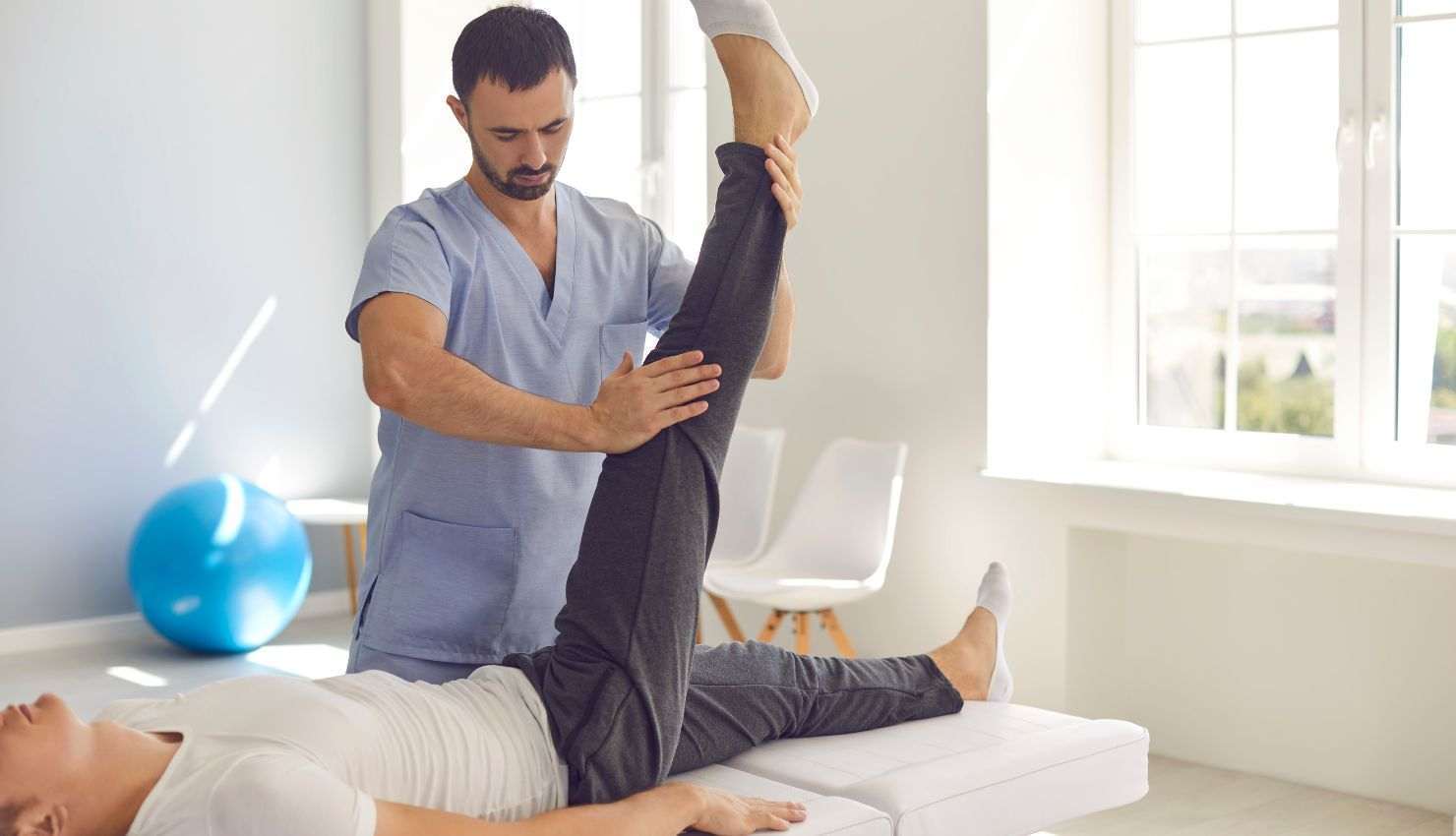
Muscle spasms and cramps can be incredibly painful and disruptive. Whether youve experienced a sudden cramp while exercising or frequent spasms that interfere with daily life, these involuntary muscle contractions can cause discomfort and limit movement. Fortunately, physiotherapy offers effective solutions to manage and prevent muscle spasms and cramps, helping you regain comfort, mobility, and confidence.
In this blog, well explore what causes muscle spasms and cramps, why physiotherapy is a key part of treatment, and how targeted therapies can make a real difference in your recovery and long-term muscle health.
What Are Muscle Spasms and Cramps?
Muscle spasms are involuntary contractions of a muscle or group of muscles that often last for a few seconds to minutes. These can be sudden and painful, causing the muscle to feel tight or hard. Muscle cramps, which are a type of spasm, are intense, localized contractions that can cause sharp pain and temporary immobility.
Spasms and cramps can affect anyone, but theyre especially common in athletes, people with muscle injuries, those with neurological conditions, or individuals experiencing electrolyte imbalances.
Common Causes of Muscle Spasms and Cramps
Understanding the cause is crucial for effective treatment. Some common triggers include:
Muscle fatigue or overuse: Intense or prolonged physical activity can tire muscles, leading to spasms.
Dehydration and electrolyte imbalances: Low levels of potassium, magnesium, calcium, or sodium disrupt normal muscle function.
Poor circulation: Reduced blood flow can cause muscles to cramp.
Nerve compression or irritation: Conditions like a herniated disc can trigger spasms.
Injury or trauma: Muscle strains, tears, or inflammation often result in spasms as a protective mechanism.
Certain medications and medical conditions: Some drugs and illnesses can predispose muscles to cramping.
Because spasms often signal an underlying issue, addressing the root cause is key to lasting relief.
How Physiotherapy Helps Relieve Muscle Spasms and Cramps
Physiotherapy offers a multifaceted approach to both relieve acute spasms and prevent them from recurring. Heres how physiotherapists help:
1. Targeted Stretching and Range of Motion Exercises
Stretching is one of the most effective ways to alleviate muscle spasms. Physiotherapists guide patients through gentle, targeted stretches that help:
Lengthen tight muscles,
Reduce muscle tension,
Improve flexibility,
Restore normal muscle function.
Regular stretching, customized to your needs, can prevent future spasms by keeping muscles supple and balanced.
2. Strengthening Weak Muscles
Muscle imbalanceswhere some muscles are too tight and others too weakcan contribute to spasms. Physiotherapists assess your muscle strength and design exercise programs to build weak muscles, improve stability, and promote balanced movement patterns. Stronger muscles are less prone to fatigue and spasms.
3. Manual Therapy for Muscle Relaxation
Hands-on techniques such as massage, myofascial release, and trigger point therapy directly address tight or knotted muscles. Manual therapy increases blood flow, breaks down adhesions, and relaxes spasming muscles, providing immediate relief and promoting healing.
4. Improving Circulation
Physiotherapy modalities like heat therapy and gentle massage improve blood circulation, which helps deliver oxygen and nutrients to muscles and removes waste products. Better circulation reduces the likelihood of cramps caused by muscle ischemia (lack of blood flow).
5. Posture and Ergonomic Advice
Poor posture or repetitive movements can strain muscles and nerves, causing spasms. Physiotherapists assess your posture and work environment, offering practical advice and corrective exercises to reduce muscle strain and prevent spasms.
6. Electrotherapy Techniques
In some cases, physiotherapists use electrical stimulation therapies to reduce muscle spasms and promote muscle relaxation. Techniques such as TENS (transcutaneous electrical nerve stimulation) can help manage pain and interrupt spasm cycles.
7. Hydration and Nutrition Guidance
While physiotherapists are not nutritionists, they often educate patients about the importance of hydration and electrolyte balance in muscle health. Maintaining adequate fluid and mineral intake supports muscle function and prevents cramps.
Benefits of Physiotherapy for Muscle Spasms and Cramps
Effective pain relief: Targeted treatments reduce discomfort from spasms.
Improved muscle function: Stretching and strengthening restore normal muscle balance.
Increased mobility: Relief from spasms enhances movement and daily activities.
Prevention of recurrence: Addressing causes reduces future spasms.
Holistic care: Combining exercises, manual therapy, and lifestyle advice supports overall muscle health.
What to Expect from Your Physiotherapy Sessions
When you visit a physiotherapist for muscle spasms or cramps, the process generally involves:
Assessment: Your therapist will evaluate your symptoms, muscle strength, flexibility, posture, and lifestyle factors.
Personalized Treatment Plan: Based on your needs, a combination of exercises, manual therapy, and education will be developed.
Hands-on Treatment: Youll receive targeted manual therapy to relax affected muscles.
Home Exercise Program: Youll be guided through stretches and strengthening exercises to do at home.
Ongoing Monitoring: Your progress will be tracked, and the plan adjusted as needed.
Consistency is keyregular attendance and adherence to home programs ensure the best outcomes.
Tips to Manage and Prevent Muscle Spasms
Stay well-hydrated throughout the day.
Maintain a balanced diet rich in essential minerals like potassium, calcium, and magnesium.
Warm up before and cool down after physical activity.
Avoid prolonged static postures; take breaks and stretch regularly.
Use proper techniques during exercise and daily activities.
Listen to your body and avoid overexertion.
Final Thoughts
Muscle spasms and cramps can be more than just a nuisancethey can limit your mobility, disrupt your routine, and impact your overall quality of life. Physiotherapy offers an evidence-based, personalized approach to effectively manage these symptoms and address underlying causes.
By combining targeted exercises, manual therapy, and lifestyle guidance, physiotherapists help you not only find relief but also regain strength, flexibility, and confidence in your movement. Whether your spasms are occasional or chronic, consulting a physiotherapist can be a vital step toward lasting comfort and function.
If muscle spasms or cramps are affecting your daily life, consider reaching out to a physiotherapy professional who can tailor a treatment plan specific to your needs and help you get back to feeling your best.