The Role of Physiotherapy in Rehabilitation After Concussions explores targeted strategies for recovery. Discover new paths to mobility, healing, and personalized care.

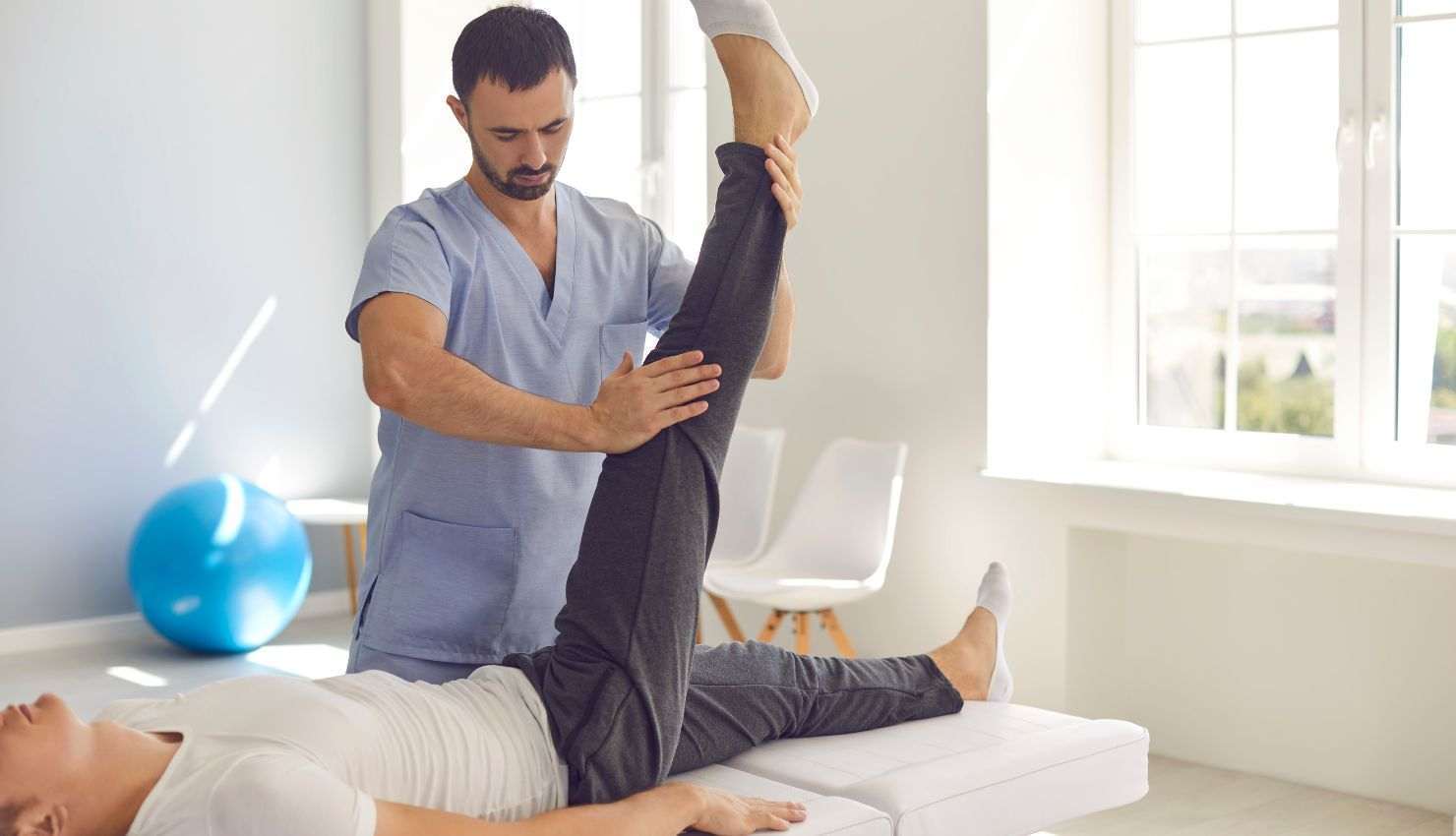
Concussions are a common yet serious injury, often occurring due to sports, accidents, or falls. While many people recognize the importance of rest immediately following a concussion, rehabilitation is equally crucial to ensure full recovery and prevent long-term complications. This is where physiotherapy plays a vital role. Physiotherapy is not just about treating physical injuries; it is a comprehensive approach that helps patients recover their strength, balance, and cognitive functions after a concussion.
Understanding Concussions and Their Impact
A concussion is a mild traumatic brain injury caused by a sudden blow or jolt to the head. It can result in symptoms like headaches, dizziness, confusion, memory problems, and balance difficulties. While most symptoms resolve within days or weeks, some people experience prolonged effects, known as post-concussion syndrome, which can significantly impact daily life.
Physiotherapy aims to address these symptoms by focusing on restoring normal function through targeted exercises and therapies that promote brain healing and physical recovery.
How Physiotherapy Aids in Concussion Rehabilitation
Physiotherapy interventions after a concussion are designed to help patients regain balance, coordination, strength, and reduce dizziness or headaches. The process usually starts with a thorough assessment of symptoms, including vestibular function (related to balance and spatial orientation), neck movement, and overall physical condition.
Vestibular Rehabilitation: One of the most common after-effects of a concussion is vestibular dysfunction, which can cause dizziness and balance problems. Physiotherapists use specific exercises to retrain the brain and vestibular system to improve balance and reduce vertigo. These exercises may include head movements, eye tracking, and balance activities.
Neck and Cervical Spine Treatment: Many concussions also involve neck injuries or stiffness. Physiotherapists focus on restoring neck mobility and reducing pain through manual therapy, stretching, and strengthening exercises.
Gradual Physical Activity: While rest is important immediately after a concussion, prolonged inactivity can delay recovery. Physiotherapists guide patients through a carefully monitored exercise program to gradually increase physical activity without triggering symptoms.
Cognitive and Physical Coordination: Some physiotherapy sessions include exercises that improve coordination between the brain and body, helping to reduce cognitive fog and improve concentration and reaction times.
The Importance of Early Intervention
Starting physiotherapy early in concussion rehabilitation can prevent symptoms from becoming chronic. Early intervention helps patients return to their daily activities, work, or sports faster and more safely. It also reduces the risk of further injury by improving balance and reaction time.
Customized Rehabilitation Plans
Every concussion is different, and physiotherapy programs are tailored to each individuals symptoms and recovery progress. Therapists continuously assess and adjust treatment plans to ensure optimal outcomes.
Benefits Beyond Symptom Relief
Physiotherapy not only addresses the immediate symptoms of a concussion but also supports overall wellness. Improved balance and strength reduce the risk of future injuries. Patients often report enhanced mood and better sleep after physiotherapy, both essential for brain recovery.
Why Choose Professional Physiotherapy Services in Canada
Canada has a well-established healthcare system with highly trained physiotherapists specializing in concussion management. Choosing a professional physiotherapy service, like those offered by Your Forms UX, ensures evidence-based care, personalized treatment plans, and ongoing support through recovery.
Conclusion
Concussions require more than just restthey demand a thoughtful and structured rehabilitation approach to ensure complete recovery. Physiotherapy plays a critical role in helping patients regain their physical and cognitive functions, reduce symptoms, and return to a normal, active lifestyle. If you or a loved one has suffered a concussion, consulting a physiotherapist early can make all the difference in your rehabilitation journey.