How Physiotherapy Helps with Recovery After Orthopedic Surgeries explores targeted strategies for recovery. Discover new paths to mobility, healing, and personalized care.

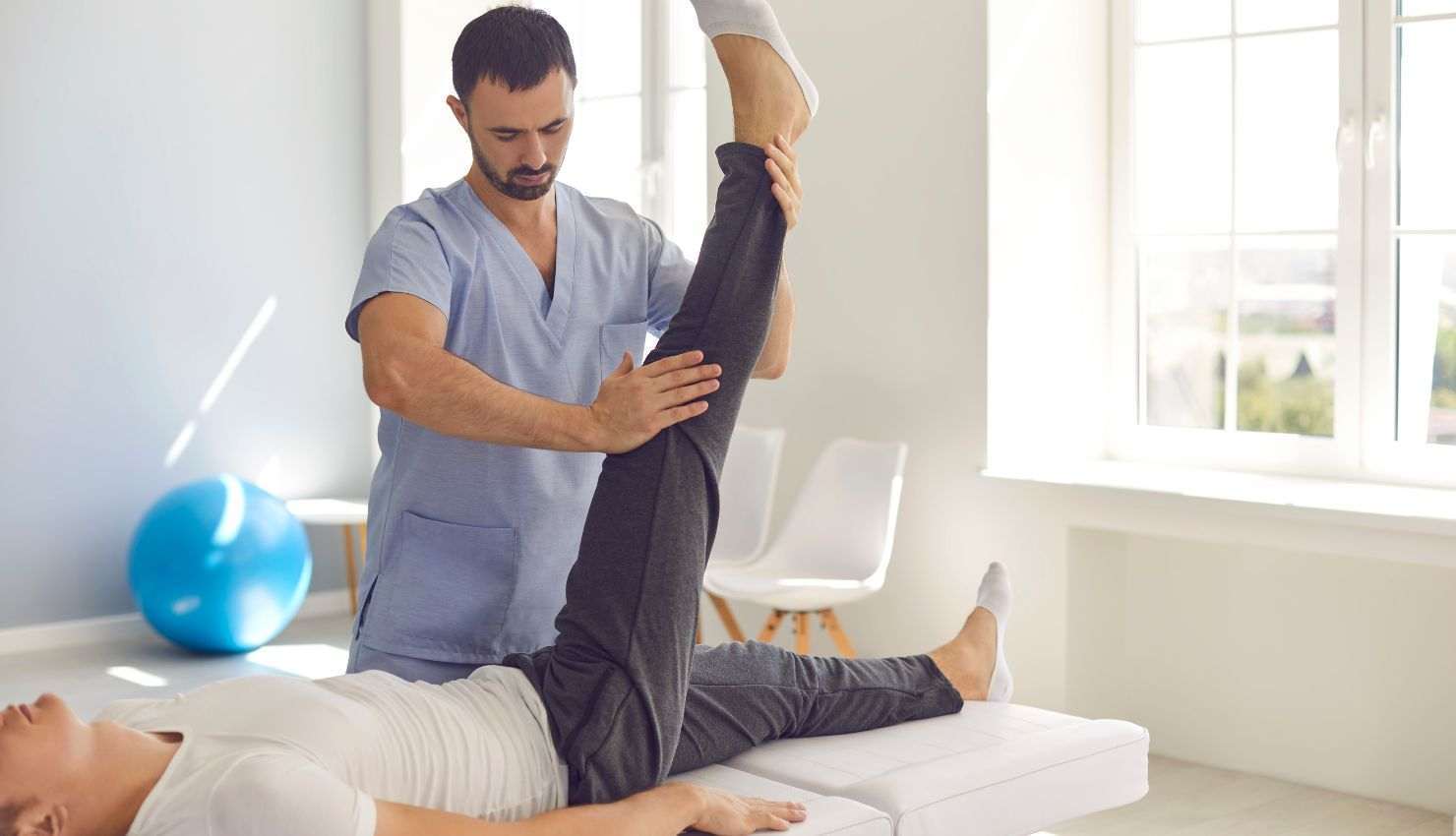
Orthopedic surgeriessuch as joint replacements, ligament repairs, and fracture fixationsare often critical steps toward restoring function and reducing pain. However, the success of these surgeries doesnt depend solely on the procedure itself; the recovery process is just as important. Physiotherapy plays a central role in helping patients regain mobility, strength, and independence after orthopedic surgeries.
In this blog, well explore how physiotherapy supports recovery after orthopedic surgery, the benefits it offers, and why its a vital part of your healing journey.
Understanding Orthopedic Surgery Recovery
Orthopedic surgeries address problems involving bones, joints, ligaments, and tendons. While these surgeries can correct structural issues, the surrounding muscles and soft tissues often need rehabilitation to restore full function. Surgery may temporarily weaken muscles, limit movement, and cause pain and swelling.
Effective rehabilitation aims to:
Reduce pain and inflammation
Restore joint mobility
Strengthen muscles
Improve balance and coordination
Facilitate a safe return to daily activities
The Role of Physiotherapy in Post-Surgical Recovery
Physiotherapy begins shortly after surgery, sometimes within days, depending on the procedure and your overall health. The role of physiotherapy includes:
1. Early Mobilization to Prevent Complications
Early movement helps reduce the risk of post-surgical complications such as blood clots, pneumonia, or joint stiffness. Physiotherapists guide gentle exercises and movements that promote circulation and prevent muscle wasting.
Even small movements after surgery make a significant difference in your recovery trajectory.
2. Pain and Swelling Management
Pain and swelling are common after orthopedic surgery. Physiotherapists use techniques like manual therapy, ice application, and gentle mobilization to control inflammation and alleviate discomfort without over-reliance on medications.
Effective pain management encourages participation in rehabilitation exercises.
3. Restoring Joint Range of Motion
Surgery and immobilization often cause joint stiffness. Physiotherapy focuses on stretching and mobilization exercises to restore flexibility and prevent scar tissue from limiting movement.
Regaining joint mobility is essential for performing everyday tasks and improving overall function.
4. Muscle Strengthening and Conditioning
Muscle atrophy from surgery or inactivity weakens your ability to support joints and perform movements. Physiotherapy includes progressive strengthening exercises tailored to your stage of healing and capabilities.
Building muscle strength around the surgical site and throughout the body enhances stability and reduces the risk of future injury.
5. Balance, Coordination, and Functional Training
Orthopedic surgery can affect your balance and coordination, which are vital for safe movement. Physiotherapists incorporate balance exercises and functional training that simulate real-life activities such as walking, climbing stairs, or lifting objects.
This training helps you regain independence and confidence.
6. Personalized Rehabilitation Plans
Every patient and surgery is different. Physiotherapists develop individualized plans based on your surgical procedure, overall health, and recovery goals. This personalized approach maximizes outcomes and ensures safe progression.
7. Education and Lifestyle Guidance
Physiotherapy includes education on safe movement techniques, ergonomic adjustments, and lifestyle changes that support healing. Learning how to protect your joints and manage activity levels helps maintain long-term health.
Benefits of Physiotherapy After Orthopedic Surgery
Faster recovery and reduced hospital stay
Improved pain control and decreased reliance on medications
Enhanced joint function and mobility
Increased muscle strength and endurance
Reduced risk of complications and re-injury
Better balance and functional independence
Greater confidence in resuming daily and recreational activities
When to Begin Physiotherapy After Surgery
Your surgeon and healthcare team will advise when to start physiotherapy. Early intervention is usually recommended to optimize healing and minimize complications, but timing depends on the type of surgery and individual circumstances.
Consistency and commitment to your physiotherapy program are key to a successful recovery.
Conclusion
Orthopedic surgeries can dramatically improve your quality of life, but physiotherapy is essential to unlocking their full benefits. By focusing on pain management, mobility restoration, strength building, and functional training, physiotherapy accelerates your recovery and helps you return to an active, independent lifestyle.
If you or a loved one are preparing for or recovering from orthopedic surgery, partnering with a skilled physiotherapist is one of the best decisions you can make for lasting health and function.