The Benefits of Physiotherapy for Managing Post-Traumatic Stress and Recovery explores targeted strategies for recovery. Discover new paths to mobility, healing, and personalized care.

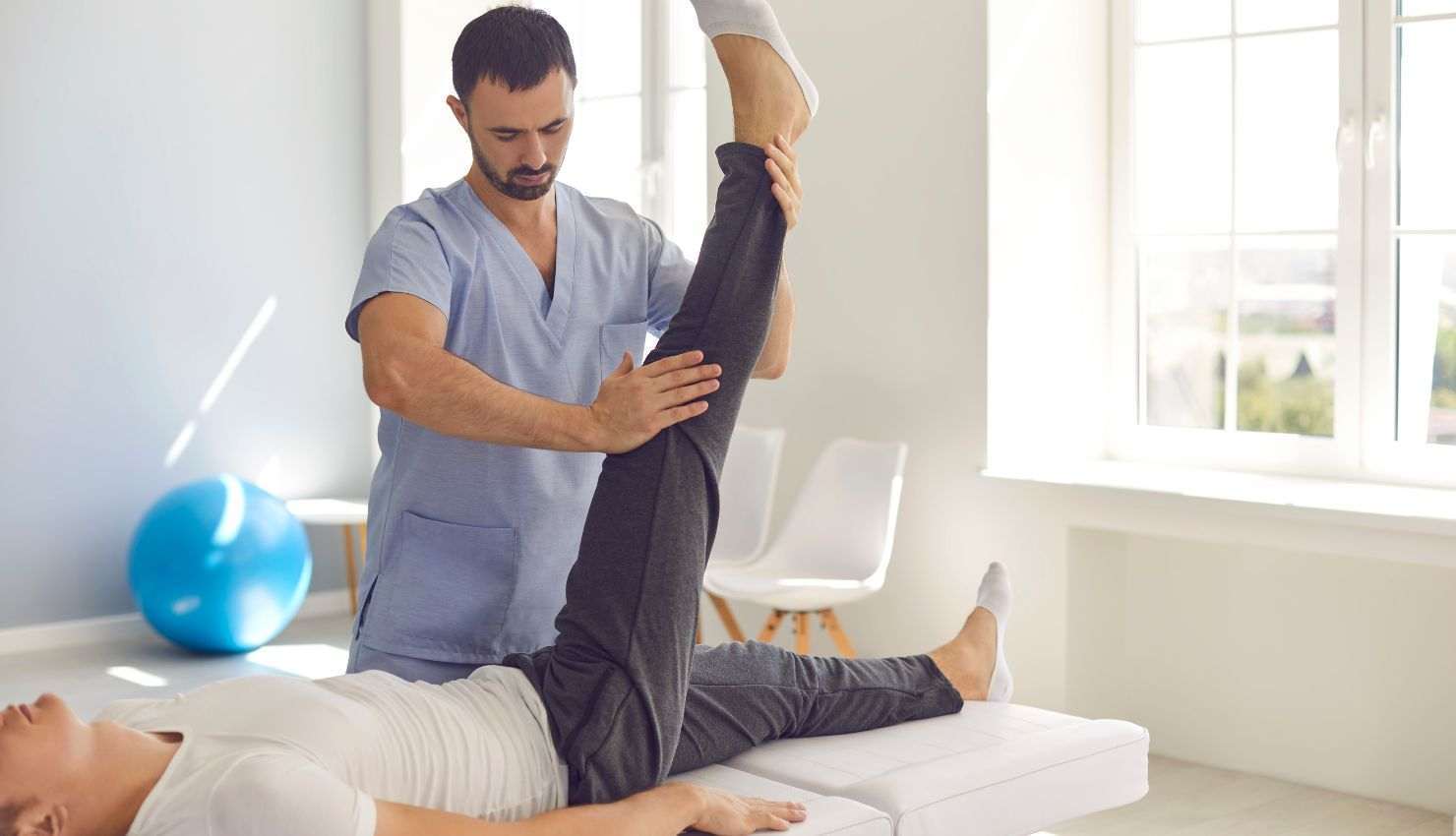
When we think about recovery after trauma, many of us immediately focus on emotional and psychological support. And rightly sopost-traumatic stress can deeply affect mental health. But did you know that physiotherapy plays a powerful and often overlooked role in managing post-traumatic stress and aiding overall recovery? For individuals recovering from traumatic experiences, combining physiotherapy with mental health treatment can make a world of difference.
Lets dive into how physiotherapy supports managing post-traumatic stress and promotes a healthier, quicker recovery.
What is Post-Traumatic Stress?
Post-Traumatic Stress Disorder (PTSD) is a mental health condition triggered by experiencing or witnessing a traumatic event. Symptoms like anxiety, flashbacks, hypervigilance, and physical tension can drastically affect daily life. The connection between mind and body is profoundstress doesnt just live in the brain but often manifests physically through muscle tightness, chronic pain, and poor circulation.
This is where physiotherapy steps in, offering holistic benefits that address both physical and emotional symptoms linked to trauma.
How Physiotherapy Helps Manage Post-Traumatic Stress
1. Reducing Muscle Tension and Pain
Trauma often results in chronic muscle tightness and pain, especially in areas like the neck, shoulders, and back. This physical tension is your bodys response to stress and anxiety. Physiotherapists use techniques such as manual therapy, massage, and stretching to relieve this tension, promoting relaxation and reducing pain. Loosening tight muscles can also help calm the nervous system, easing anxiety and emotional distress.
2. Improving Physical Function and Mobility
After trauma, some individuals may experience a decreased ability to move comfortably or perform daily activities. Physiotherapy focuses on restoring mobility, strength, and flexibility through customized exercises. Regaining physical function boosts confidence and independence, which positively influences emotional wellbeing and helps reduce feelings of helplessness often associated with PTSD.
3. Enhancing Breath Control and Relaxation
Breathing patterns can become shallow and irregular during stressful episodes, worsening anxiety and panic. Physiotherapists teach breathing techniques that improve lung function and promote relaxation. Learning to control breath not only aids in managing physical symptoms but also equips individuals with a valuable tool to control emotional flare-ups related to post-traumatic stress.
4. Re-establishing Mind-Body Connection
Trauma can disrupt the natural connection between mind and body, leading to feelings of disassociation or numbness. Through movement-based therapies and mindful exercises like yoga or Pilates, physiotherapy encourages individuals to reconnect with their bodies safely. This mind-body awareness is crucial for emotional healing and helps reduce symptoms of PTSD by grounding individuals in the present moment.
5. Supporting Mental Health through Physical Activity
Regular physical activity is proven to release endorphinsnatural mood enhancersand reduce symptoms of depression and anxiety. Physiotherapy programs tailor physical activity to individual needs and limitations, ensuring safe and effective movement. This not only supports recovery from trauma but also fosters long-term mental health resilience.
Physiotherapy and Post-Traumatic Recovery: A Holistic Approach
For those recovering from trauma, an integrative approach that includes physiotherapy alongside psychological counseling can create the best outcomes. Physiotherapists work closely with mental health professionals to address both physical and emotional aspects of trauma recovery.
Moreover, physiotherapy can help manage secondary complications arising from trauma, such as chronic pain conditions or postural imbalances, which can otherwise hinder mental health progress.
Common Physiotherapy Techniques for Post-Traumatic Stress Management
Manual Therapy: Hands-on techniques to reduce muscle stiffness and improve joint mobility.
Therapeutic Exercise: Customized movement plans that rebuild strength and enhance flexibility.
Breathing Exercises: Techniques to improve respiratory efficiency and reduce anxiety symptoms.
Relaxation Methods: Progressive muscle relaxation and guided stretching to ease physical and mental tension.
Mindfulness-Based Movement: Yoga, Pilates, and tai chi adapted to trauma survivors, focusing on gentle, mindful movement.
Why Choose Physiotherapy for Post-Traumatic Stress Management?
Physiotherapy is a non-invasive, drug-free option that focuses on empowering individuals to take control of their recovery journey. Its adaptable to each persons unique needs and complements traditional therapies like counseling and medication. For trauma survivors seeking a balanced approach to healing, physiotherapy offers practical tools for both body and mind recovery.
Tips for Finding the Right Physiotherapist
If you or a loved one are considering physiotherapy for post-traumatic stress recovery, its essential to find a therapist experienced in trauma-informed care. These professionals understand the complex relationship between trauma and the body and create a safe, supportive environment for healing.
Look for physiotherapists who:
Have specialized training in trauma-sensitive techniques
Collaborate with mental health providers
Offer personalized treatment plans that respect your pace and comfort
Emphasize holistic healing that integrates physical and emotional wellbeing
Final Thoughts
Recovery from post-traumatic stress is a journey that involves healing both the mind and the body. Physiotherapy offers numerous benefitsfrom reducing muscle tension and pain to improving mobility, breathing, and emotional resilience. When combined with psychological care, physiotherapy can significantly enhance recovery outcomes, helping trauma survivors regain control over their lives.
If youre navigating post-traumatic stress, consider adding physiotherapy to your recovery toolkit. Its a supportive, empowering approach that addresses the whole personphysically and mentallysetting you on a path toward lasting healing and wellness.