How Acupuncture Supports Joint Health and Prevents Injuries explores targeted strategies for recovery. Discover new paths to mobility, healing, and personalized care.

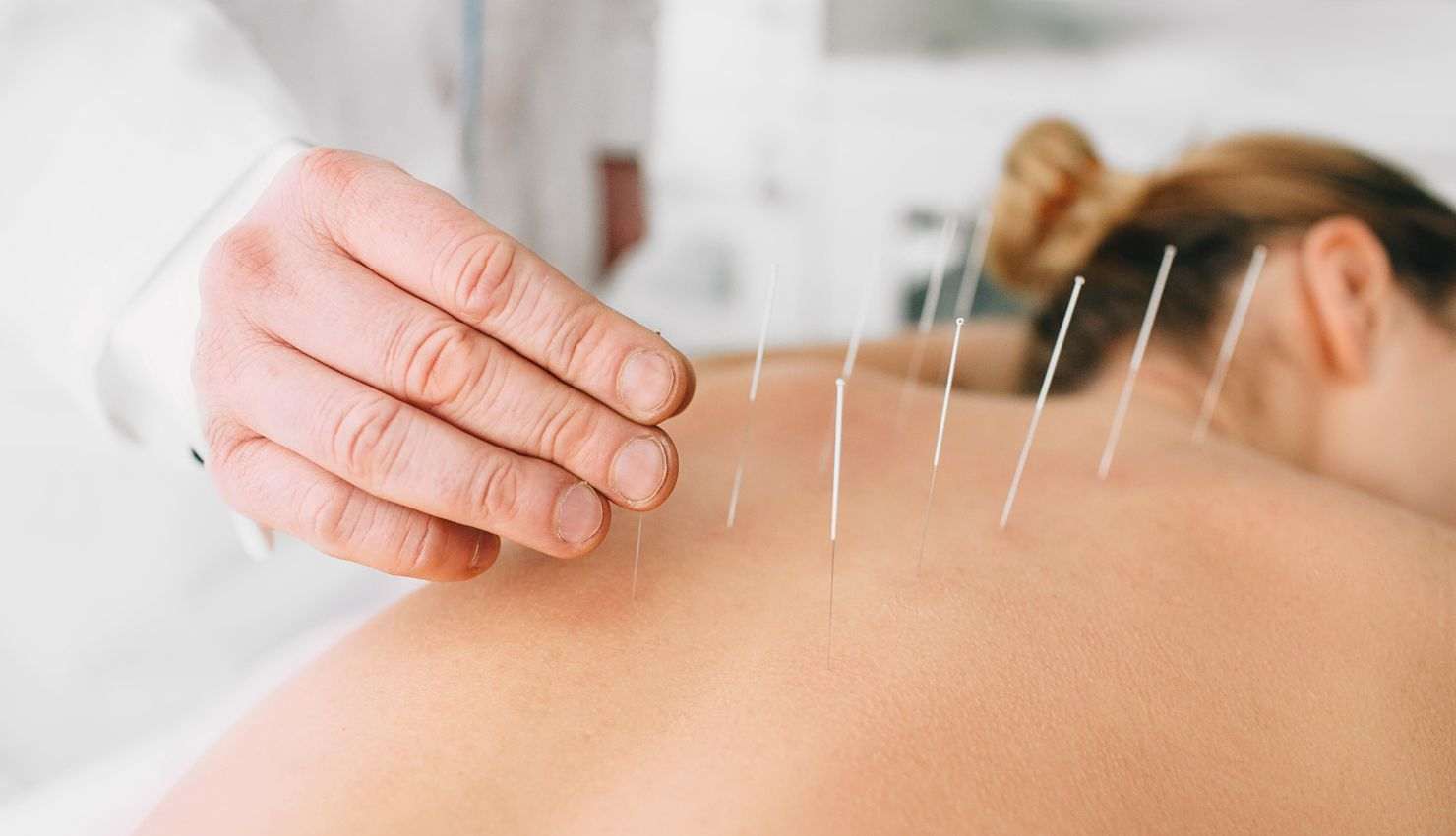
Your joints are the unsung heroes of your body. They absorb force, allow fluid movement, and support every step, reach, and stretch. Whether you’re an athlete, an active parent, or someone recovering from injury, maintaining joint health is essential to sustaining long-term mobility and preventing discomfort. Yet many people live with aching knees, stiff shoulders, or limited range of motionoften because of joint stress, poor alignment, inflammation, or previous trauma.
At YourFormSux (YFS), we approach joint health not just from a structural standpoint, but from a whole-body perspective. One of the most powerful tools we use to keep joints healthy and injury-free is acupuncture. By improving circulation, balancing muscle tension, and restoring energy flow, acupuncture helps joints move better, heal faster, and stay pain-free longer.
In this blog, well explore how acupuncture supports joint health, its role in injury prevention, and how it fits into a proactive wellness strategy.
The Anatomy of Joint Dysfunction
Joints are where bones meet and movement happens. Each joint is supported by cartilage, ligaments, tendons, and muscles, and depends on synovial fluid for lubrication and cushioning. When any part of this system is compromisedby overuse, trauma, poor posture, or agingjoints begin to break down.
Common signs of joint dysfunction include:
Stiffness or reduced range of motion
Swelling or inflammation
Clicking or grinding sensations
Weakness or instability
Sharp or aching pain with movement
If left unaddressed, minor joint issues can escalate into:
Tendonitis
Bursitis
Osteoarthritis
Ligament sprains
Chronic joint pain or instability
Acupuncture helps interrupt this progression, support tissue recovery, and reduce strain on vulnerable joints.
Understanding Joint Health from a Chinese Medicine Perspective
In Traditional Chinese Medicine (TCM), healthy joints rely on the smooth flow of Qi and Blood through the meridians. Joint pain is seen as a result of stagnationwhere energy and blood arent moving freely due to:
External factors like cold, wind, or dampness
Internal imbalances like Liver or Kidney deficiency
Overuse, repetitive motion, or traumatic injury
Emotional stress, which tightens muscles and disrupts circulation
Acupuncture addresses all of these layers, not just the physical discomfort. It strengthens the bodys ability to heal from within.
How Acupuncture Supports Joint Health
1. Enhances Blood Flow to Joints and Surrounding Tissues
Joints often have limited direct blood supply. Acupuncture increases circulation to joint capsules, tendons, and ligaments by:
Stimulating local capillaries
Improving nutrient delivery
Aiding waste removal from inflammation
This leads to reduced stiffness, improved mobility, and faster healing of damaged tissues.
2. Reduces Inflammation Without Side Effects
Many joint issues stem from inflammationeither acute or chronic. Unlike anti-inflammatory medications that may suppress symptoms but stress the liver, acupuncture naturally:
Regulates cytokine levels
Reduces swelling and heat
Relaxes surrounding muscles
This helps maintain joint integrity while supporting the bodys natural inflammatory control systems.
3. Balances Muscles Around the Joints
Muscles and fascia that are too tight or too weak can destabilize joints. Acupuncture addresses this by:
Releasing muscle knots and tension
Stimulating underactive muscles
Restoring symmetry to movement patterns
Balanced muscles provide better shock absorption and reduce wear and tear on joints.
4. Supports Cartilage and Tissue Regeneration
By improving circulation and stimulating the bodys self-repair mechanisms, acupuncture encourages the regeneration of:
Cartilage
Tendons and ligaments
Joint fluid and tissue elasticity
While it doesn’t “grow back” cartilage, it creates an ideal environment for slowing degeneration and improving comfort.
5. Releases Adhesions and Improves Range of Motion
After injury or surgery, joints often become stiff due to scar tissue or fascia tightness. Acupuncture can:
Break up adhesions
Reduce fibrosis
Improve tissue glide between muscles and tendons
Clients report better flexibility and less joint restriction within just a few sessions.
Acupuncture for Common Joint Conditions
The benefits of acupuncture extend to nearly every joint-related issue, including:
Knees: Arthritis, runners knee, post-surgical rehab
Shoulders: Rotator cuff injuries, frozen shoulder
Hips: Bursitis, labral tears, joint degeneration
Ankles: Sprains, instability, Achilles issues
Wrists and elbows: Carpal tunnel, tennis elbow
Spine and neck: Facet joint irritation, stiffness
Whether pain is new or longstanding, acupuncture offers support for both acute recovery and long-term maintenance.
Injury Prevention with Acupuncture
Most people turn to acupuncture after theyve already experienced pain. But this powerful therapy can be equally valuable for preventing injury in the first place. Heres how:
1. Improves Movement Awareness and Proprioception
Acupuncture helps retrain the nervous systems connection to joints. This leads to:
Better balance
More fluid coordination
Enhanced response to movement demands
Especially for athletes or active individuals, this translates into reduced risk of sprains and strains.
2. Identifies and Corrects Imbalances Early
Many injuries start with subtle imbalances. Acupuncture can address:
Uneven muscle tone
Compensatory movement patterns
Energy stagnation in specific meridians
Early intervention prevents the buildup of tension that leads to more serious dysfunctions.
3. Reduces Accumulated Stress on Joints
By relaxing the body, reducing systemic inflammation, and releasing held tension, acupuncture helps joints recover more fully between activitieseven from everyday stressors like prolonged sitting or repetitive tasks.
What to Expect from a Joint Health Session at YFS
A typical joint support session may include:
Assessment of movement quality, joint mobility, and energy flow
Targeted acupuncture to reduce pain and improve circulation around key joints
Manual meridian stimulation or cupping to release tight fascia
Postural guidance to offload joint pressure
Self-care recommendations, including stretches or strengthening strategies
Each session is customized based on your joint issues, lifestyle, and goals.
Frequency and Duration of Treatment
Most clients experience noticeable relief and improved movement within a few sessions. Recommended frequency may include:
Acute injury recovery: 23 sessions per week
Chronic joint support: Weekly to biweekly
Preventive maintenance: Monthly or seasonal tune-ups
Consistent care helps build a stronger, more resilient bodyone thats ready for whatever life demands.
Final Thoughts
Your joints dont have to be a source of pain or limitation. With the right care, they can become a point of strength, freedom, and fluidity. Acupuncture offers a powerful way to nourish joint health, reduce inflammation, and prevent injurieswithout medication or invasive procedures.
At YourFormSux, we combine ancient wisdom with modern insight to help your joints function at their best. Whether youre recovering from an injury, managing arthritis, or simply seeking better movement, acupuncture can keep your joints strong, supported, and pain-free.