Acupuncture for Better Circulation explores targeted strategies for recovery. Discover new paths to mobility, healing, and personalized care.

Good circulation is essential for every function in the bodyfrom delivering oxygen and nutrients to tissues, to supporting immune response, to clearing out waste. Yet many people experience signs of poor circulation every day: cold hands and feet, swelling, fatigue, numbness, tingling, or slow healing after injury. These symptoms, often overlooked, signal deeper imbalances that can compromise your overall wellness.
At YourFormSux (YFS), we use acupuncture as a powerful and natural tool to support and enhance circulation. By stimulating key points along your bodys energy pathways, acupuncture not only relieves symptoms but also activates your bodys own healing mechanismssupporting healthy blood flow, lymphatic movement, and energy balance.
In this blog, we explore how acupuncture works to improve circulation and why its a valuable part of holistic physiotherapy and wellness care.
Why Circulation Matters
Circulation refers to the movement of blood, lymph, and energy throughout the body. Healthy circulation ensures:
Nutrients and oxygen are delivered to every cell
Tissues are hydrated and nourished
Hormones and neurotransmitters reach their targets
Inflammation is controlled and waste is removed
Immune cells are properly distributed
When circulation slows or becomes blocked, it can lead to:
Cold extremities
Swelling (especially in the legs or ankles)
Muscle cramps and tightness
Numbness or tingling (paresthesia)
Fatigue and brain fog
Chronic pain or slow wound healing
Poor circulation is not just uncomfortableit can hinder tissue repair, organ function, and overall vitality.
The Traditional Chinese Medicine View of Circulation
In Traditional Chinese Medicine (TCM), circulation isnt just about blood. Its also about Qi (vital energy), which moves through the bodys meridians or energy channels. Qi and blood are considered inseparableQi moves the blood, and blood nourishes Qi. Stagnation of either leads to dysfunction and disease.
TCM practitioners believe that when Qi is blocked or deficient, blood flow becomes sluggish. The result? Pain, stiffness, coldness, or chronic inflammation. Acupuncture aims to unblock these energy channels, allowing Qi and blood to flow smoothly again.
How Acupuncture Enhances Circulation
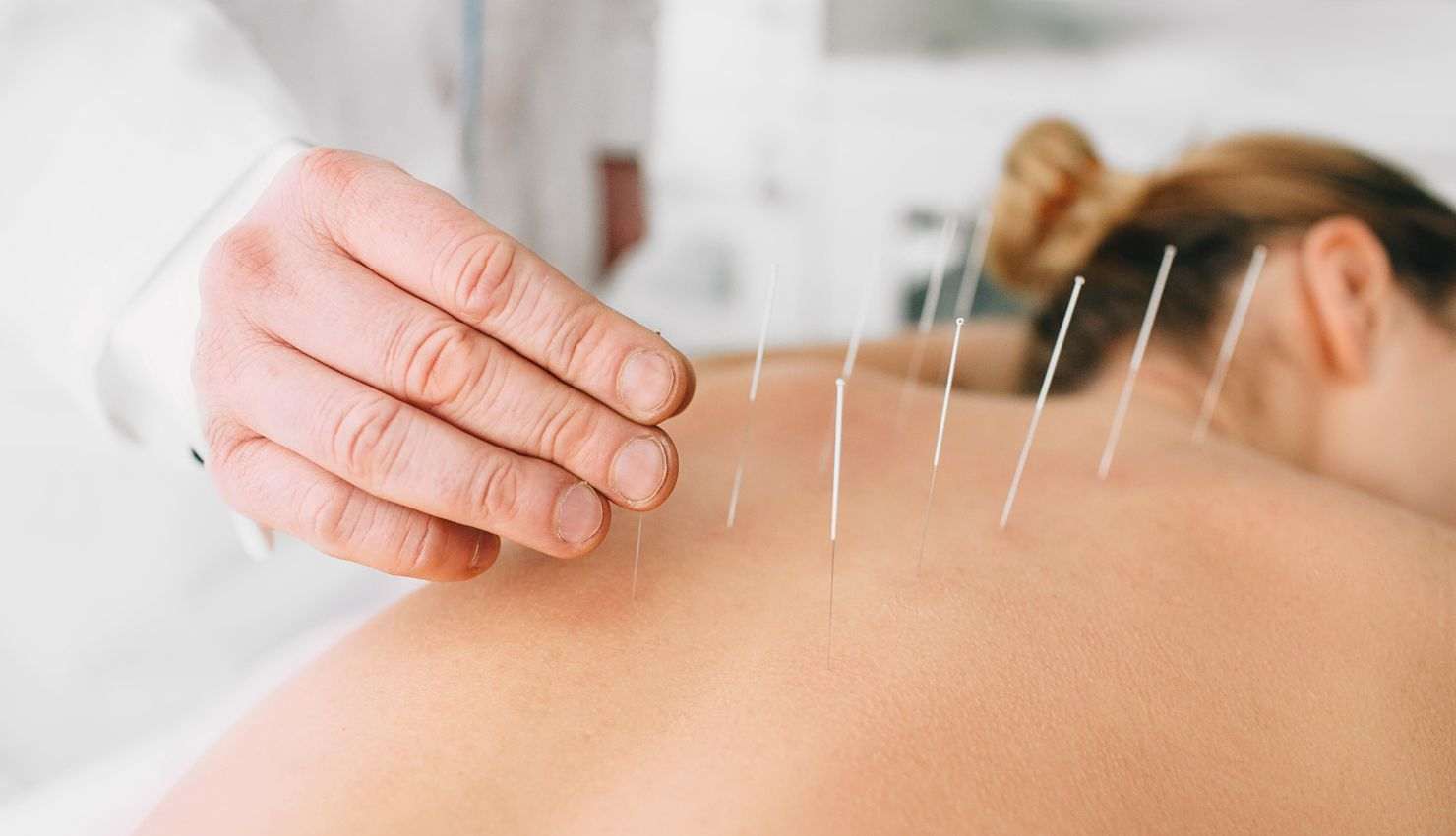
Acupuncture uses ultra-fine needles inserted into specific points on the body to stimulate:
Vasodilation: widening of blood vessels to increase blood flow
Microcirculation: especially in capillary-dense areas like the skin, muscles, and organs
Neuromodulation: calming of the nervous system to support parasympathetic (rest-and-digest) function
Inflammation reduction: decreasing swelling that restricts movement of fluids
Lymphatic drainage: supporting detoxification and immune defense
Each acupuncture session is personalized to your circulation needswhether for local pain, full-body support, or post-injury healing.
Conditions Linked to Poor Circulation Acupuncture Can Help
Peripheral neuropathy (e.g., diabetes-related numbness and tingling)
Raynauds syndrome (cold, discolored fingers and toes)
Varicose veins and swelling
Chronic fatigue or fibromyalgia
Arthritis and joint stiffness
Post-surgical recovery
Sports injury or overuse syndromes
Muscle tightness and fascial restriction
By supporting energy and fluid movement, acupuncture helps reduce symptoms while promoting internal repair.
Meridian Pathways Related to Circulation
Acupuncture points are selected based on which meridians are involved in your symptoms. For circulation-related concerns, the following are commonly addressed:
– Liver Meridian
Regulates smooth Qi flow and blood distribution. Often targeted in cases of muscle cramps, menstrual pain, or chronic tension.
– Spleen Meridian
Governs blood production and keeps blood in the vessels. Weak Spleen energy can cause bruising, fatigue, and fluid retention.
– Heart Meridian
Controls blood vessels and heart rhythm. Important for palpitations, poor sleep, and emotional imbalances that affect circulation.
– Kidney Meridian
Supports overall vitality and circulation to the lower body. Helpful for cold feet, edema, and adrenal fatigue.
Acupuncture works holisticallysupporting both systemic flow and local healing.
Acupuncture for Injury Recovery and Tissue Repair
After injurywhether from trauma or surgerycirculation is crucial for recovery. Acupuncture accelerates this process by:
Increasing oxygen to damaged tissue
Reducing post-injury inflammation
Stimulating collagen and tissue regeneration
Preventing adhesions and scar tissue formation
Relieving muscle guarding and stiffness around injured areas
This leads to faster healing, less downtime, and better functional outcomes.
The Role of Acupuncture in Postural and Movement Circulation
Many circulation issues are aggravated by poor posture or immobility. Prolonged sitting, misalignment, or repetitive strain can compress blood vessels and disrupt lymph flow. Acupuncture addresses these challenges by:
Releasing tight muscles and fascia
Improving joint mobility
Enhancing the body’s awareness of posture through nervous system feedback
Supporting movement therapy by preparing tissues for exercise
Better movement means better circulationand acupuncture can set the stage for lasting physical improvement.
What to Expect in a Circulation-Boosting Session at YFS
Your session begins with a full-body assessment to identify:
Circulation issues (local or systemic)
Tissue temperature, color, and tone
Swelling or stagnation zones
Postural patterns and energy flow
We then create a personalized acupuncture treatment to:
Stimulate Qi and blood flow in key meridians
Target specific symptoms (e.g., cold hands, swollen ankles)
Address underlying energy imbalances
Combine with breathwork or manual therapy for added effect
Many clients report feeling warmth, tingling, or a wave of relaxation during treatmenta sign that circulation is improving.
How Often Should You Get Acupuncture for Circulation?
The frequency depends on the severity and chronicity of your symptoms:
For acute issues or injuries: 23 times per week
For chronic circulatory conditions: weekly to biweekly
For wellness and prevention: monthly or seasonal tune-ups
Consistent sessions help retrain the body to maintain proper flow on its own.
Complementary Lifestyle Tips for Circulation
Alongside acupuncture, we recommend:
Movement: Gentle walking, stretching, and resistance training
Hydration: Essential for fluid movement
Posture checks: Especially during work or screen time
Warm compresses: To assist vasodilation
Breathwork and stress relief: To reduce sympathetic nervous system dominance
Acupuncture is most effective when supported by everyday healthy habits.
Final Thoughts
If your body feels stuck, cold, or heavychances are your circulation needs attention. Acupuncture offers a natural, drug-free way to restore movement, warmth, and vitality to every part of your body. It doesnt just treat symptomsit addresses the root cause by reactivating the systems that keep you alive and well.
At YourFormSux, our approach combines modern physiotherapy knowledge with the timeless power of acupuncture to support your whole-body healing. Whether youre recovering from injury, managing chronic discomfort, or simply wanting to feel more energized and alive, acupuncture can help you get your bloodand your lifemoving again.