How Acupuncture Enhances the Healing of Musculoskeletal Injuries explores targeted strategies for recovery. Discover new paths to mobility, healing, and personalized care.

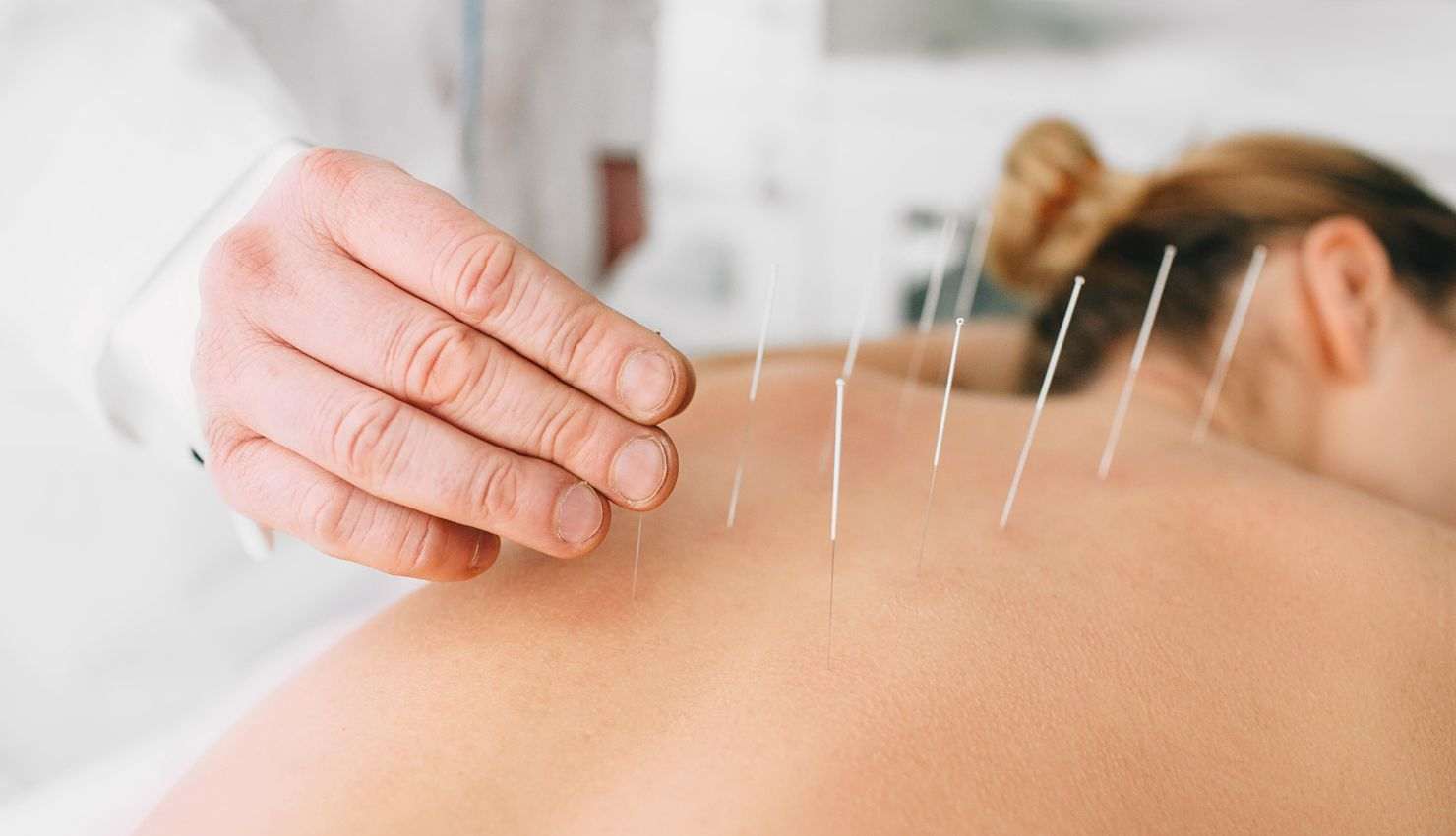
Musculoskeletal injuries are among the most common reasons people seek medical carewhether it’s from sports, accidents, or repetitive strain. These injuries can involve muscles, ligaments, tendons, joints, and bones, often causing significant pain, inflammation, and reduced mobility. While conventional treatments such as physiotherapy, medication, and rest are effective, acupuncture is emerging as a valuable complementary therapy that accelerates recovery and restores function.
Rooted in Traditional Chinese Medicine (TCM), acupuncture works by stimulating specific points on the body to activate the bodys natural healing processes. When applied strategically, acupuncture enhances circulation, reduces inflammation, manages pain, and promotes tissue repairall of which are critical for musculoskeletal healing.
What Is Acupuncture?
Acupuncture involves the insertion of very thin, sterile needles into specific points along the body’s meridianschannels through which energy (Qi) flows. In TCM, injuries are believed to disrupt this energy flow, creating blockages that lead to pain and dysfunction. By stimulating precise acupuncture points, practitioners aim to restore energy balance and trigger physiological healing mechanisms.
From a Western medical standpoint, acupuncture influences the nervous system, improves local blood flow, modulates pain receptors, and releases endorphins. These effects create a fertile environment for musculoskeletal recovery.
Types of Musculoskeletal Injuries Treated with Acupuncture
Acupuncture is suitable for both acute and chronic musculoskeletal conditions, including:
Sprains and strains
Tendonitis and bursitis
Muscle tears or contusions
Joint pain and stiffness (e.g., knee, shoulder, hip)
Back and neck injuries
Carpal tunnel syndrome
Rotator cuff injuries
Post-surgical rehabilitation
By targeting both the site of injury and systemic imbalances, acupuncture offers a comprehensive approach to healing.
How Acupuncture Supports the Healing Process
Reduces Inflammation
Inflammation is a natural part of the healing process, but when excessive, it can slow recovery and cause ongoing pain. Acupuncture helps regulate the immune response, reducing pro-inflammatory cytokines and promoting anti-inflammatory pathways. This modulation speeds up tissue repair and reduces swelling.
Increases Local Blood Flow
One of the most powerful effects of acupuncture is improved circulation. Needle insertion creates micro-stimulations that increase local blood flow to the injured area. This enhanced circulation delivers more oxygen, nutrients, and white blood cells essential for tissue repair while also removing waste products that can hinder healing.
Modulates Pain Signals
Acupuncture activates the release of endogenous opioidsnatural pain-relieving chemicals in the brain. It also influences how pain signals are processed in the spinal cord and brain, effectively lowering the perception of pain. This allows for better mobility and comfort during the rehabilitation process.
Relaxes Muscles and Releases Tension
Injuries often lead to muscle guarding or tightness around the affected area. Acupuncture helps relax muscle fibers and relieves myofascial tension, which reduces pressure on joints and nerves and supports better alignment and function.
Stimulates the Nervous System
Acupuncture communicates with the autonomic nervous system, shifting the body from a stressed fight-or-flight state into a relaxed rest-and-repair mode. This shift enhances the bodys natural healing abilities and reduces sympathetic overdrive that may prolong injury symptoms.
Restores Energetic Balance
In TCM, injury is not only a physical event but also an energetic disruption. By restoring the smooth flow of Qi through affected meridians (such as the Gallbladder for hips or the Bladder for the spine), acupuncture accelerates whole-body healing and resilience.
What to Expect in a Treatment Session
A licensed acupuncturist begins with a full assessment, considering both your physical symptoms and energetic imbalances. The practitioner selects points based on the specific injury and its root cause. For musculoskeletal issues, the approach may involve:
Local points: Needling near the site of pain to increase blood flow and reduce inflammation.
Distal points: Stimulating points away from the injury that influence the affected meridian and provide systemic relief.
Motor points: Targeting specific muscles to release spasm or tension and improve function.
Sessions typically last 30 to 60 minutes. You may feel a mild tingling or warmth as needles are inserted, followed by a deep sense of relaxation. Many patients report reduced pain and improved range of motion even after the first few sessions.
Combining Acupuncture with Physiotherapy
Acupuncture is most effective when integrated into a comprehensive rehabilitation plan. When used alongside physiotherapy:
It prepares the body for movement by reducing pain and muscle tightness.
It accelerates tissue healing between sessions.
It reduces reliance on medication and speeds return to function.
This integrative approach offers both immediate symptom relief and long-term functional recovery.
Clinical Evidence and Safety
Numerous clinical studies have shown that acupuncture improves outcomes in musculoskeletal injuries. Research highlights its effectiveness for:
Back and neck pain Improved pain scores and function.
Shoulder injuries Especially rotator cuff and frozen shoulder.
Knee osteoarthritis Reduced stiffness, swelling, and pain.
Tennis elbow Better grip strength and reduced inflammation.
Acupuncture is considered very safe when performed by a qualified practitioner. Side effects are minimal and may include slight bruising or temporary soreness at needle sites.
Who Can Benefit?
Acupuncture is ideal for:
Athletes recovering from sports injuries
Post-operative patients rebuilding strength and mobility
Office workers with repetitive strain injuries
Seniors experiencing chronic joint pain
Anyone looking to enhance musculoskeletal function naturally
Whether youre healing from a fall, managing arthritis, or preparing for physical therapy, acupuncture can support every stage of the recovery journey.
Final Thoughts
Acupuncture offers more than temporary pain reliefit helps your body return to balance, function, and strength. By addressing both the physical and energetic aspects of injury, it supports comprehensive healing that lasts. For those seeking a natural, evidence-supported, and personalized approach to musculoskeletal recovery, acupuncture is a powerful ally on the path to wellness.