How Acupuncture Helps Improve Circulation and Relieve Stiffness explores targeted strategies for recovery. Discover new paths to mobility, healing, and personalized care.

Healthy blood circulation is essential for maintaining energy, delivering nutrients, supporting organ function, and removing metabolic waste. Poor circulation and muscular stiffness, however, are increasingly common due to sedentary lifestyles, stress, injury, and chronic health conditions. Over time, these issues can lead to discomfort, pain, numbness, and restricted mobility. Acupuncture, a core practice in Traditional Chinese Medicine (TCM), offers a natural, drug-free method to enhance blood flow and relieve stiffness by activating the bodys own healing systems.
Why Circulation and Flexibility Matter
Circulation is the lifeline of the body. Proper blood flow ensures that tissues are nourished, oxygenated, and capable of repair. When circulation is compromiseddue to tension, inflammation, or structural imbalancestiffness, pain, and fatigue often follow. Muscle stiffness is also commonly linked to poor lymphatic drainage and reduced synovial fluid movement in joints.
Improving circulation not only reduces physical discomfort but also boosts immune response, supports detoxification, and helps prevent degenerative conditions. Acupuncture works by targeting specific points that influence the vascular, muscular, and nervous systems, helping the body restore movement, flexibility, and energetic flow.
How Acupuncture Enhances Circulation
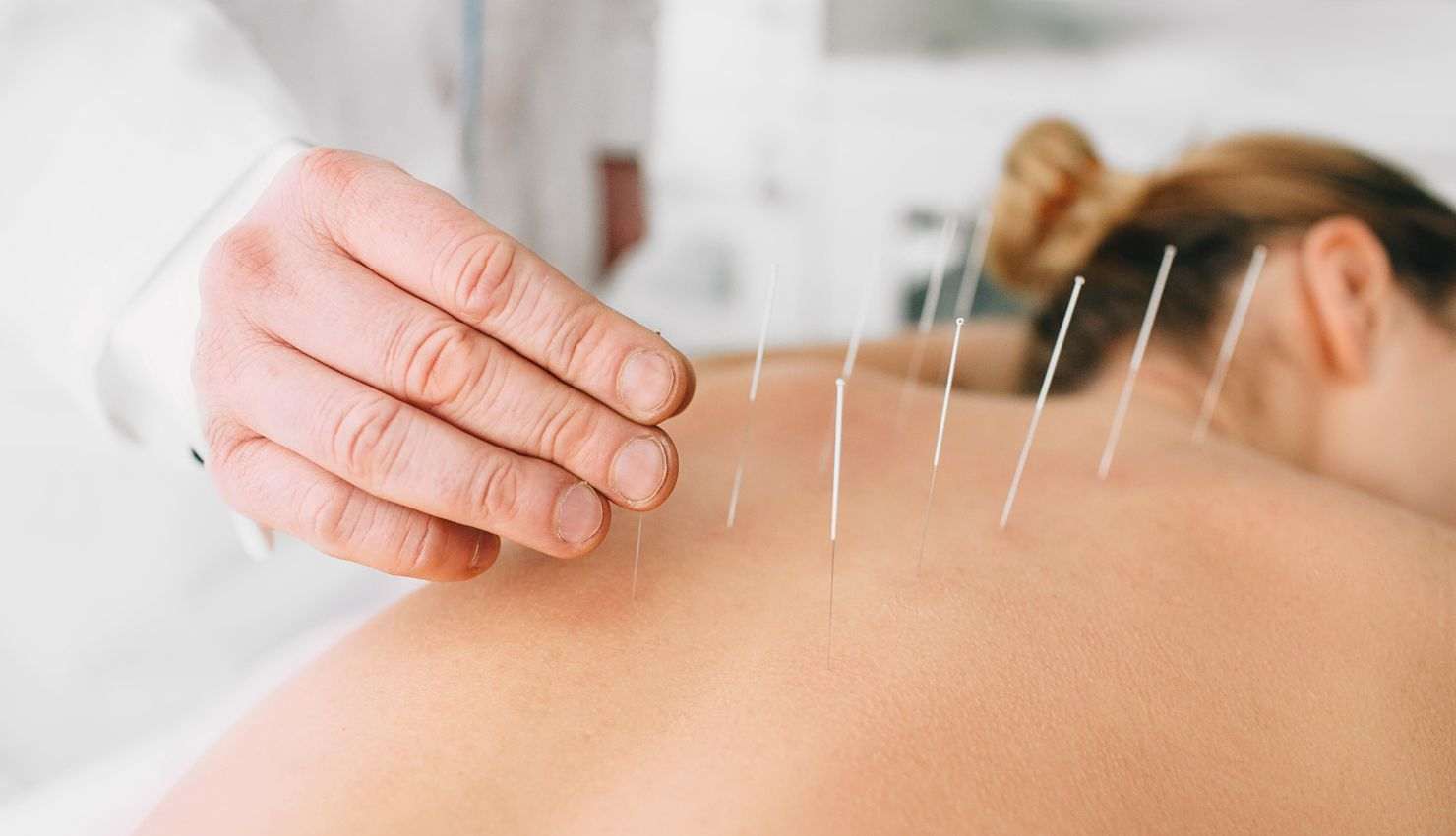
Acupuncture involves inserting fine needles into acupoints located along meridian pathways to stimulate the flow of Qi (vital energy) and blood throughout the body. It enhances circulation in multiple ways:
1. Dilates Blood Vessels
Needling certain acupoints increases the production of nitric oxide, a compound that relaxes blood vessels, improving microcirculation in muscles and tissues.
2. Promotes Capillary Refill and Oxygenation
Improved blood flow leads to better oxygen delivery to cells and faster removal of waste products like carbon dioxide and lactic acid, reducing soreness and stiffness.
3. Activates the Nervous System
Acupuncture influences the autonomic nervous system, improving heart rate variability and stimulating peripheral circulationespecially beneficial in cold hands and feet or diabetic neuropathy.
4. Reduces Inflammation
Poor circulation and inflammation are interconnected. Acupuncture helps modulate inflammatory markers, allowing for better vascular function and less tissue congestion.
5. Relieves Muscle Tension
Tight muscles constrict blood vessels and limit fluid flow. Acupuncture releases trigger points and fascial tightness, opening the muscular system to better blood and energy flow.
Acupuncture for Muscle Stiffness and Joint Mobility
Stiffness can occur from injury, overuse, arthritis, or simple lack of movement. Acupuncture helps by:
Releasing contracted muscle fibers
Improving range of motion
Stimulating joint lubrication
Reducing the nerve hypersensitivity that causes muscle guarding
Patients often report less resistance, greater flexibility, and reduced pain after several sessions.
Conditions That Benefit from Acupuncture for Circulation and Flexibility
Acupuncture is widely used to treat:
Chronic muscle tension and postural stiffness
Arthritis and joint inflammation
Frozen shoulder and rotator cuff tightness
Sciatica and lower back stiffness
Peripheral neuropathy
Raynauds disease
Plantar fasciitis
Recovery after injury or surgery
Whether caused by stress, aging, poor posture, or repetitive strain, acupuncture offers a targeted, effective approach.
Key Acupoints for Circulation and Mobility
While each treatment is customized, certain points are frequently used to improve circulation and reduce stiffness:
LI4 (Hegu): Enhances blood flow and relieves tension in the upper body
ST36 (Zusanli): Boosts energy, improves circulation, and strengthens immunity
SP6 (Sanyinjiao): Helps reduce fluid retention and supports lower body circulation
BL57 (Chengshan): Releases calf tension and improves lower leg blood flow
GB34 (Yanglingquan): Used for joint stiffness, especially in the hips and knees
SI11 (Tianzong): Eases shoulder tension and upper back stiffness
Electroacupuncturewhere mild electrical stimulation is applied to needlescan be used for deeper muscular tightness and more stubborn circulation issues.
Combining Acupuncture with Movement and Therapy
Acupuncture works best when combined with practices that promote movement and muscular engagement:
Stretching or yoga to keep tissues pliable
Physiotherapy exercises tailored to improve joint range
Hydration to assist in cellular repair and lymph drainage
Massage or meridian therapy to enhance Qi and blood flow
These practices reinforce the circulation-boosting effects of acupuncture and prevent stiffness from returning.
What to Expect from Treatment
An acupuncture session for circulation and stiffness includes:
Assessment of symptoms, posture, and lifestyle
Needle placement along meridians connected to affected areas
Relaxation period during which needles remain in place (usually 2030 minutes)
Gentle movement or instruction on mobility exercises after treatment
Relief can often be felt after one session, though chronic conditions typically require multiple treatments for sustained improvement.
Emotional Benefits of Improved Circulation
Interestingly, enhancing circulation also supports emotional health. When Qi and blood flow freely, the heart and liver meridians are balanced, which can lead to:
Calmer mood
Increased energy
Better emotional regulation
Improved sleep quality
Physical and emotional stiffness are often linked. Releasing one allows the other to soften as well.
Safety and Customization
Acupuncture is a safe therapy when administered by a licensed practitioner. Your treatment plan will be personalized based on:
Your specific symptoms
The duration and cause of stiffness
Medical history and current medications
Overall energy levels and immune function
No two sessions are alikeeach visit is tailored to where your body is that day.
Final Thoughts
Circulation is the foundation of physical vitality, and stiffness is often a sign of stagnationboth of energy and blood. Acupuncture offers a time-tested, natural method to unlock tight tissues, improve fluid flow, and restore comfort and movement. By targeting the underlying imbalances and activating your body’s own healing systems, acupuncture helps you move more freely, feel more energized, and enjoy greater overall wellness.
Whether youre managing a chronic condition, recovering from inactivity, or simply looking to improve flexibility and circulation, acupuncture provides a safe and effective path forward. With consistent treatment and supportive self-care, your body can become more open, resilient, and pain-freenaturally and holistically.