Acupuncture for Sports Injuries explores targeted strategies for recovery. Discover new paths to mobility, healing, and personalized care.

Whether youre a seasoned athlete, weekend warrior, or someone who simply enjoys staying active, sports injuries are a common and frustrating part of an active lifestyle. Sprains, strains, joint pain, inflammation, and muscle stiffness can all interfere with performance, recovery, and overall wellness. While conventional treatments such as rest, physical therapy, and medication play an important role, more athletes are turning to acupuncture for a natural, effective, and drug-free approach to healing sports injuries.
Rooted in Traditional Chinese Medicine (TCM), acupuncture promotes faster recovery, pain relief, and functional improvement by stimulating the bodys own healing processes. From acute trauma to chronic overuse injuries, acupuncture offers a holistic solution that addresses both the symptoms and underlying imbalances contributing to physical breakdown.
Understanding Sports Injuries in Traditional Chinese Medicine
In TCM, sports injuries are seen as blockages or disruptions in the flow of Qi (vital energy) and blood through the bodys meridians (energy pathways). When the flow of Qi or blood is obstructedwhether due to trauma, repetitive stress, or weaknessthe result is pain, swelling, and impaired movement.
TCM classifies injuries based on:
Qi and blood stagnation (caused by impact, trauma, or repetitive strain)
Cold or damp invasion (which can make old injuries worse, especially in colder climates)
Deficiency in Qi, blood, or essence (which can slow down recovery)
Acupuncture works by restoring energetic balance, removing blockages, and promoting circulation to injured tissues, thereby accelerating the healing process.
How Acupuncture Supports Healing from Sports Injuries
Acupuncture provides multiple layers of support for athletes and active individuals recovering from injury:
1. Reduces Pain and Inflammation
Inserting needles at specific points triggers the release of natural painkillers like endorphins and enkephalins, while also calming pain signals to the brain. It also decreases inflammatory markers such as cytokines, helping to reduce swelling and stiffness in affected areas.
2. Improves Circulation and Tissue Repair
Acupuncture enhances blood flow to injured tissues, delivering oxygen and nutrients needed for cell repair. This improved circulation also helps clear waste products and reduce internal bruising or swelling.
3. Releases Muscle Tension
Muscular tightness is a common issue after injury. Acupuncture can relieve spasms and trigger points, increase flexibility, and reduce residual tension that might hinder proper movement or lead to compensation injuries elsewhere.
4. Speeds Up Recovery Time
By supporting your bodys innate healing processes, acupuncture shortens the recovery period for many injuries. It also helps prevent acute issues from becoming chronic, which is especially important for athletes with rigorous training schedules.
5. Promotes Nervous System Balance
Injuries affect not only the physical body but also the nervous system. Acupuncture calms the sympathetic nervous system, helping to reduce stress, improve sleep, and support mental resilience during recovery.
Common Sports Injuries Treated with Acupuncture
Acupuncture can be effective in treating a wide range of sports and activity-related injuries, including:
Muscle strains and tears
Tendonitis and tendinosis (Achilles, rotator cuff, patellar)
Sprained ankles and wrists
Shin splints
Plantar fasciitis
Runners knee and IT band syndrome
Tennis or golfers elbow
Lower back pain and disc issues
Neck and shoulder tension
Post-surgical recovery
Many athletes use acupuncture not just for injury recovery, but also as preventative care to maintain muscle balance, reduce recovery time after training, and support overall performance.
What to Expect in a Treatment Session
Your acupuncture session will begin with an in-depth evaluation of your symptoms, lifestyle, training patterns, and health history. The practitioner may also perform orthopedic assessments and palpate affected areas.
Treatment typically includes:
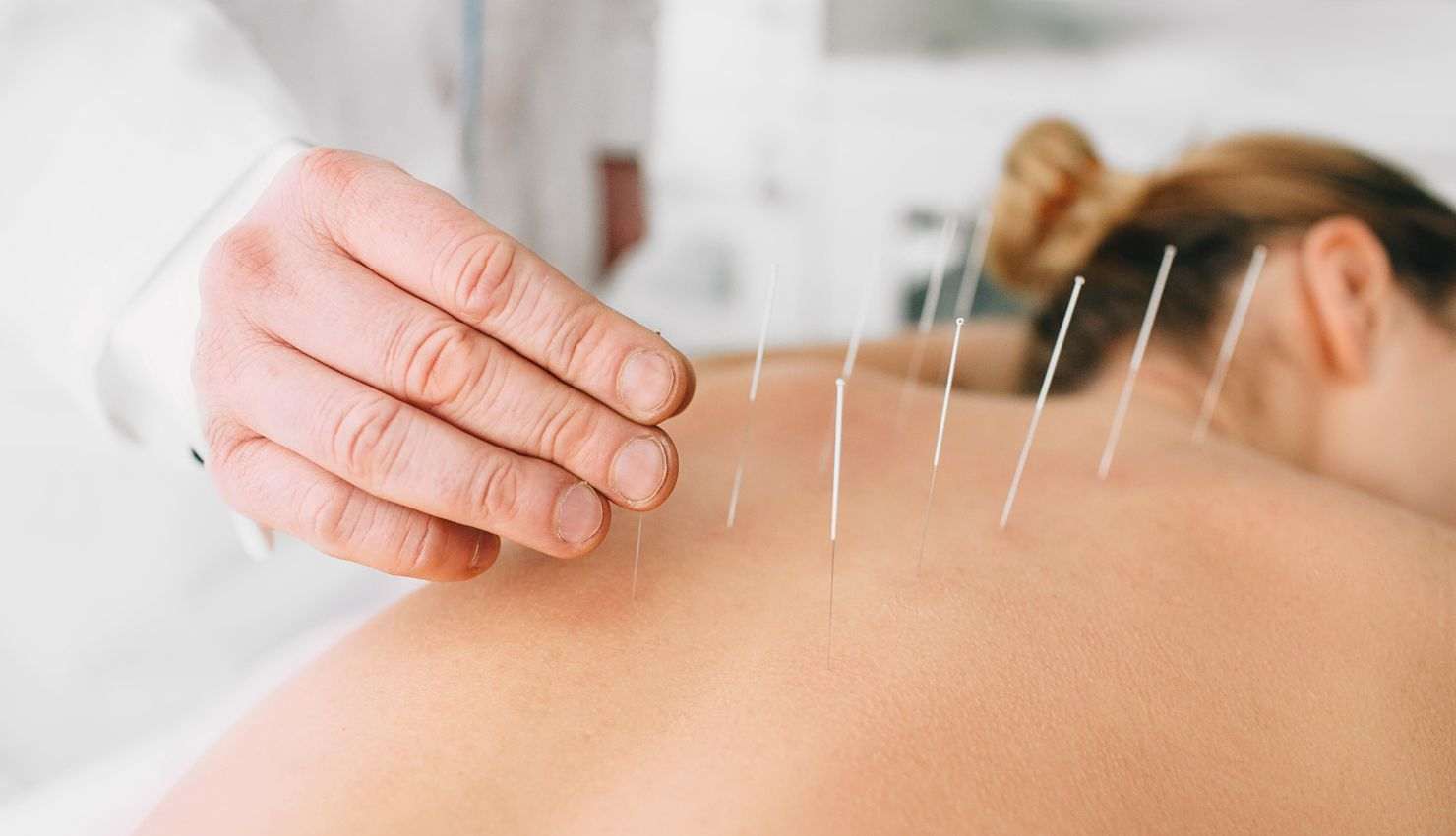
Needle insertion at local injury sites, along meridians, or on distal points (elsewhere on the body but connected energetically)
Electroacupuncture (gentle electrical stimulation through needles) for deeper tissue stimulation
Cupping, gua sha, or moxibustion may be used to further reduce inflammation and support circulation
Rest and relaxation while needles are in place for 2030 minutes
Most people feel minimal discomfort during acupuncture. In fact, many report a deep sense of relaxation, even when treating painful injuries.
How Many Sessions Are Needed?
The number of acupuncture sessions depends on the nature and severity of the injury:
Acute injuries (within the first few days): 23 sessions per week for the first 12 weeks
Sub-acute injuries (lasting several weeks): Weekly sessions for 46 weeks
Chronic or recurring injuries: A longer treatment plan with regular maintenance
Many athletes find that adding acupuncture to their rehabilitation program improves consistency, mobility, and overall recovery in a way that traditional care alone may not achieve.
Integrating Acupuncture with Physiotherapy and Sports Rehab
Acupuncture is not a replacement for physical therapy, strength training, or orthopedic care. Rather, it is a complementary therapy that enhances and accelerates these interventions. It can:
Reduce pain so you can perform rehab exercises more effectively
Restore movement by reducing muscle guarding or spasm
Increase proprioception and body awareness during movement
Minimize reliance on anti-inflammatory drugs or painkillers
When integrated with a multidisciplinary approach, acupuncture provides a well-rounded and synergistic strategy for healing and performance.
Long-Term Benefits of Acupuncture for Athletes
Beyond injury recovery, acupuncture helps athletes maintain optimal health by:
Reducing inflammation after workouts
Supporting adrenal and hormonal balance
Improving sleep and recovery cycles
Enhancing focus and mental clarity before competition
Preventing re-injury by correcting underlying energetic imbalances
Many elite athletes incorporate acupuncture as a regular part of their recovery routine, just like massage, stretching, and hydration.
Final Thoughts
Acupuncture offers a powerful, non-invasive, and natural way to treat sports injuries and support recovery. Whether youre healing from an acute injury or managing chronic wear and tear, acupuncture works by unlocking your bodys healing potentialreducing pain, speeding up tissue repair, and restoring movement without the side effects of medication.
If youre ready to get back to your active lifestyle and recover with a therapy that supports both the body and mind, acupuncture may be the missing piece in your performance and rehabilitation puzzle. Its not just about feeling betterits about healing smarter, faster, and more holistically.