How Acupuncture Enhances the Healing of Injuries and Trauma explores targeted strategies for recovery. Discover new paths to mobility, healing, and personalized care.

Injuries and traumawhether from sports, accidents, surgery, or overusecan significantly disrupt the bodys natural rhythm and leave long-lasting pain, inflammation, or restricted movement. While rest and physical therapy are often part of a recovery plan, many individuals are turning to acupuncture to accelerate healing, reduce pain, and restore physical and emotional balance.
Rooted in Traditional Chinese Medicine (TCM), acupuncture offers a holistic approach to injury recovery that stimulates the bodys natural repair mechanisms. By restoring the flow of Qi (vital energy) and promoting circulation through key meridians, acupuncture supports deep tissue healing, reduces inflammation, eases scar tissue tension, and even helps release emotional trauma stored in the body.
The TCM View of Injury and Trauma
In Traditional Chinese Medicine, injury is seen as more than just a physical woundit is also a disruption of the flow of Qi and Blood in the body. Trauma blocks this flow, causing pain, swelling, stiffness, and in some cases, long-term dysfunction. The affected area becomes energetically stagnant, preventing full recovery unless the blockage is addressed.
Injuries can also lead to imbalances in related organ systems, especially the Liver (which governs tendons and sinews), the Spleen (which controls muscle tone and fluid metabolism), and the Kidney (which supports bone and marrow health). Acupuncture helps reconnect and rebalance these systems, ensuring that healing is supported from multiple dimensionsstructural, energetic, and emotional.
How Acupuncture Supports Injury Recovery
Acupuncture enhances injury and trauma healing through several key mechanisms:
1. Stimulates Circulation and Lymphatic Drainage
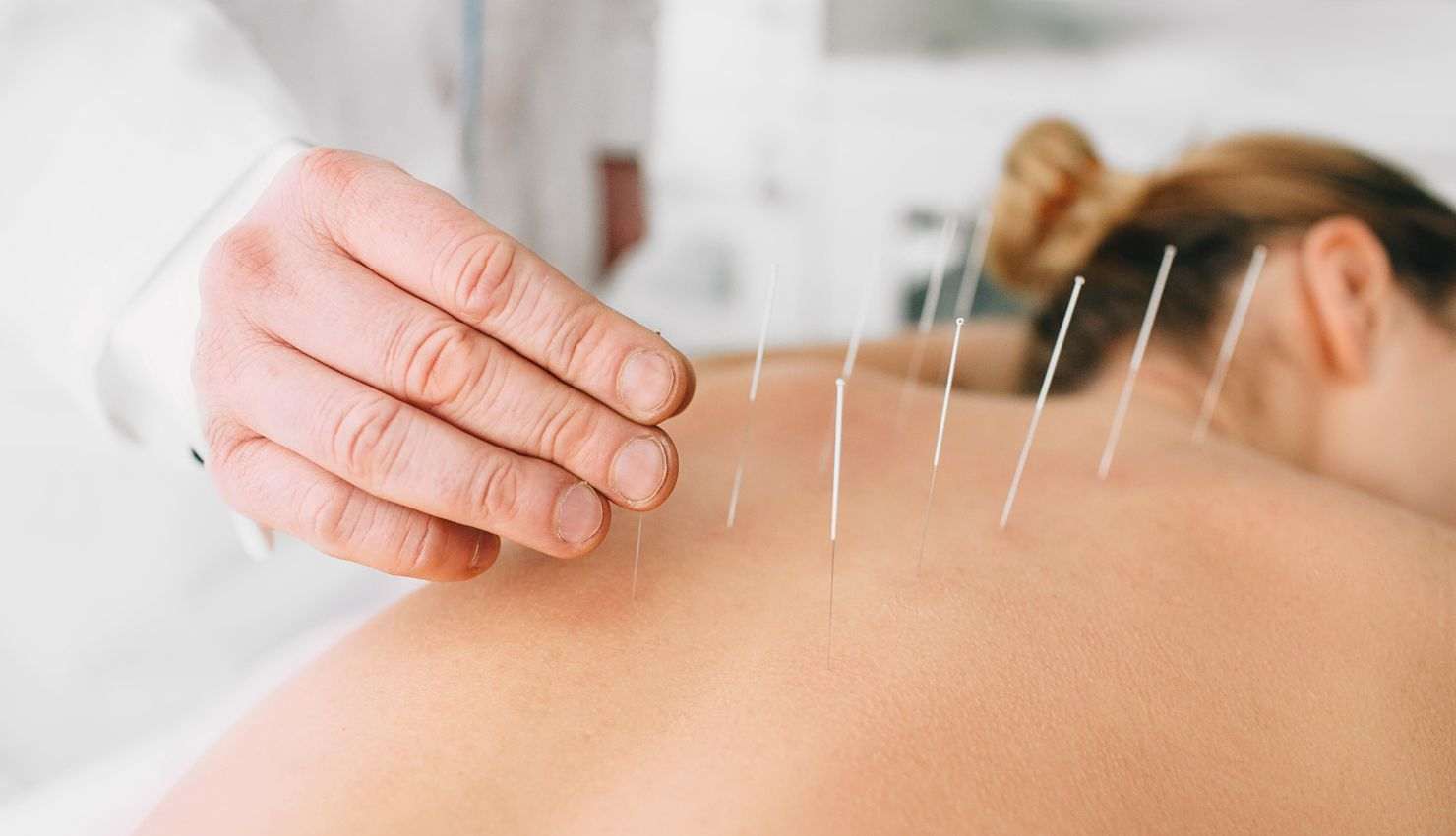
By inserting fine, sterile needles into specific points along meridians, acupuncture increases microcirculation in the injured area. This brings fresh oxygen, nutrients, and immune cells to the site of injury while removing cellular waste and metabolic byproducts that delay healing.
2. Reduces Inflammation
Acupuncture helps calm the bodys inflammatory response by downregulating pro-inflammatory cytokines and boosting the production of anti-inflammatory substances. This is especially helpful in acute injuries, tendonitis, or post-surgical swelling.
3. Releases Muscle Tension and Adhesions
Injury often causes protective muscle guarding, leading to tension and restricted mobility. Acupuncture helps release trigger points, relax deep tissue layers, and improve flexibility without the strain of intense physical manipulation.
4. Accelerates Tissue Repair
Research shows acupuncture can stimulate fibroblast activity, the cells responsible for tissue repair and collagen production. This supports faster healing of ligaments, tendons, and skin, making it ideal for post-surgical recovery or soft tissue damage.
5. Regulates the Nervous System
Acupuncture activates the parasympathetic nervous system, shifting the body into rest-and-repair mode. It also calms the central nervous system, which helps reduce pain sensitivity and promote emotional calmparticularly important for trauma survivors.
6. Promotes Natural Pain Relief
Acupuncture stimulates the release of endorphins and enkephalinsyour bodys natural painkillers. This helps reduce the need for pharmaceutical interventions, especially opioids or NSAIDs, which may have side effects during long-term use.
Types of Injuries Acupuncture Can Help With
Acupuncture is beneficial across a wide range of injuries and recovery stages, including:
Sprains and strains
Fractures (post-stabilization phase)
Tendonitis and bursitis
Muscle tears or contusions
Post-surgical healing (orthopedic or general surgery)
Whiplash and spinal injuries
Repetitive strain injuries (RSI)
Sports injuries
Nerve damage and numbness
It can also be used to complement physical therapy by relaxing tissue before mobilization exercises or reducing post-treatment soreness.
The Emotional Component of Trauma
Physical trauma often carries an emotional imprintfear, anxiety, or sadnessthat becomes lodged in the tissues. According to TCM, the Heart houses the Shen (spirit), and injury may disturb this energetic aspect of health. Acupuncture helps release emotional tension held in the body and stabilize the nervous system, making it especially effective for:
Car accident survivors
Athletes coping with performance-related injuries
Individuals recovering from surgeries or major falls
Victims of violence or assault
By treating the whole personnot just the injured body partacupuncture supports a more complete and lasting recovery.
Common Acupuncture Points Used in Injury Healing
While point selection depends on the injurys location and type, some commonly used points include:
LI4 (Hegu): Reduces pain and inflammation throughout the body
ST36 (Zusanli): Boosts immune function and tissue regeneration
SP6 (Sanyinjiao): Supports blood flow and relieves swelling
UB40 (Weizhong): Excellent for back and knee injuries
Ashis (Tender Points): Directly target local areas of pain or tension
GB34 (Yanglingquan): Strengthens tendons and ligaments
Your practitioner may also use electroacupuncture (gentle electrical stimulation through needles), moxibustion (warming therapy), or cupping to enhance blood flow and recovery.
What to Expect from a Treatment Plan
In your first session, your acupuncturist will perform a comprehensive assessment including:
Injury history and severity
Pain levels, stiffness, and function
Sleep, digestion, and emotional state
Tongue and pulse diagnosis
Treatment typically lasts 3045 minutes. While some people feel immediate pain relief, others notice gradual improvement after a few sessions. Acute injuries may benefit from 23 treatments per week early on, while chronic or post-traumatic conditions may require weekly sessions over several months.
Supporting Recovery Between Sessions
To extend the healing benefits of acupuncture, consider the following:
Rest and protect the injured area without complete immobilization
Stay hydrated to support circulation and lymphatic flow
Eat nourishing, warm foods that support Spleen and Kidney Qi
Avoid excessive cold or damp exposure, which slows healing
Practice breathwork or meditation to calm the nervous system
Apply gentle heat, not ice, unless recommended otherwise
These daily habits help maintain balance and optimize your bodys healing response.
Final Thoughts
Healing from injury or trauma is not just about physical repairits about restoring flow, balance, and connection within the entire body. Acupuncture offers a safe, natural, and deeply effective way to accelerate this process, working with your body rather than against it.
Whether youre recovering from a sports injury, post-surgery discomfort, or lingering trauma from an accident, acupuncture can help relieve pain, restore mobility, and support both emotional and physical recovery. It empowers your bodys healing systems while providing relief from the stress and fatigue that often accompany long-term injuries.
If youre ready to move beyond pain and back into balance, acupuncture may be the missing link in your healing journey.