How Acupuncture Supports Post-Workout Recovery and Injury Prevention explores targeted strategies for recovery. Discover new paths to mobility, healing, and personalized care.

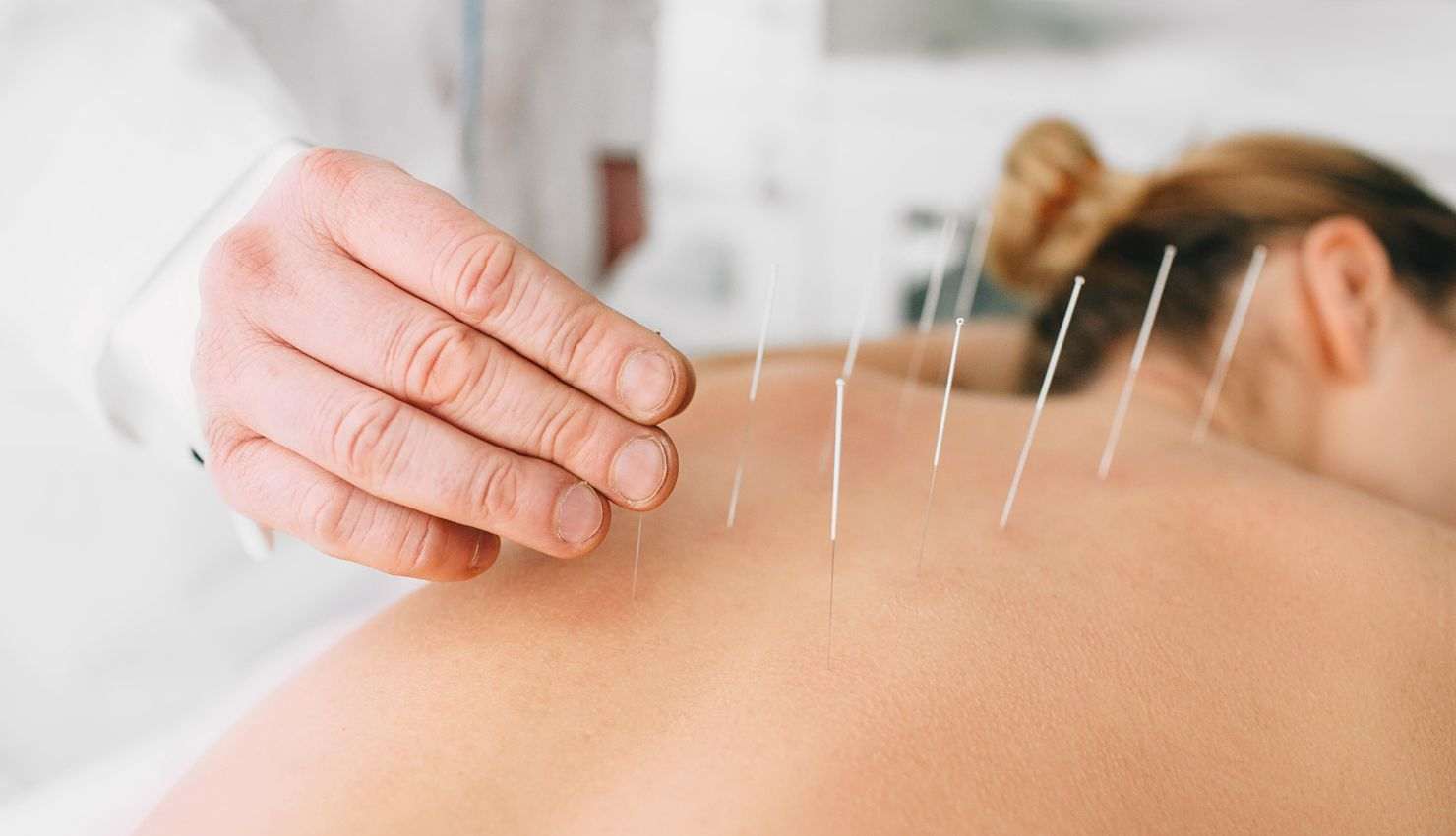
Whether you’re a professional athlete or a fitness enthusiast, recovery is just as important as training. While stretching, hydration, and rest are widely recommended, many active individuals are now turning to acupuncture as a powerful way to accelerate recovery and reduce the risk of injury. Rooted in Traditional Chinese Medicine (TCM), acupuncture enhances the bodys ability to repair, rebalance, and resist strainnaturally and holistically.
Acupuncture is not just a treatment for pain; its a preventive and restorative tool that improves circulation, reduces inflammation, calms the nervous system, and supports muscle and joint health. When incorporated into a regular wellness routine, it helps athletes and active individuals recover faster and stay active longer.
The Post-Workout Stress on the Body
During physical activity, muscles undergo micro-tears, joints experience repetitive strain, and metabolic waste builds up. If recovery is insufficient, this stress can lead to:
Muscle soreness and stiffness
Reduced performance and energy levels
Tightness or imbalance in muscle groups
Chronic fatigue or burnout
Increased risk of sprains, strains, or overuse injuries
This is where acupuncture supports the bodys healing processes and helps restore equilibrium after intense activity.
What Is Acupuncture and How Does It Work?
Acupuncture involves inserting thin, sterile needles into specific acupoints located along energy pathways called meridians. In TCM, health is maintained when Qi (vital energy) flows freely throughout the body. Physical exertion, overtraining, or imbalance can block or deplete this energy.
By stimulating these acupoints, acupuncture:
Enhances energy circulation
Encourages natural healing
Regulates the nervous system
Restores balance to musculoskeletal and organ systems
These effects are highly beneficial for post-exercise recovery and long-term injury prevention.
Key Benefits of Acupuncture for Post-Workout Recovery
1. Reduces Muscle Soreness and Tension
Delayed Onset Muscle Soreness (DOMS) is common after intense workouts. Acupuncture relieves soreness by:
Increasing blood flow to fatigued muscles
Relaxing tight fibers and fascia
Reducing the buildup of lactic acid and metabolic waste
It also targets muscular trigger points, releasing knots and restoring full range of motion.
2. Decreases Inflammation
Inflammation is a natural response to exercise stress but can become problematic if chronic. Acupuncture reduces inflammatory markers (like cytokines and CRP), helping the body recover more quickly and without excessive swelling or pain.
3. Promotes Faster Healing of Micro-Injuries
Tiny muscle tears and joint stress are part of building strength. Acupuncture accelerates tissue regeneration by:
Enhancing oxygen and nutrient delivery
Stimulating collagen production
Supporting tendon and ligament repair
This helps the body bounce back from intense effort while avoiding overuse injuries.
4. Balances Overused Muscle Groups
Regular training often leads to muscular imbalances, where certain groups are tight while others are weak. Acupuncture restores balance by:
Activating underused muscles
Releasing tension in overworked areas
Improving symmetry and movement efficiency
This reduces injury risk and supports better biomechanics.
5. Relieves Joint Pain and Enhances Flexibility
Joints bear the brunt of repetitive motion and high impact. Acupuncture eases joint discomfort by:
Improving synovial fluid movement
Reducing joint inflammation
Relaxing surrounding muscles and connective tissue
This improves flexibility and mobility in key areas like knees, hips, and shoulders.
Acupunctures Role in Injury Prevention
Preventing injury requires a proactive, body-aware approach. Acupuncture fits naturally into this framework by:
1. Correcting Energy Imbalances
If one meridian is overactive and another underactive, performance and stability suffer. Acupuncture identifies and corrects these imbalances before they manifest as physical injury.
2. Improving Proprioception
Stimulating key points enhances neuromuscular awareness, helping the body better sense position, balance, and alignment. This lowers the risk of falls, sprains, or awkward landings.
3. Managing Stress and Fatigue
Mental and physical stress increase injury susceptibility. Acupuncture calms the nervous system, improves sleep quality, and helps maintain energy reservesmaking you less prone to strain and exhaustion-related injuries.
4. Addressing Minor Symptoms Early
Small twinges, tightness, or fatigue are often warning signs. Acupuncture treats them before they escalate, keeping your training on track and preventing interruptions.
Common Acupuncture Points for Recovery and Performance
Your practitioner will personalize treatment based on your physical activity and areas of tension. Common points include:
Stomach 36 (Zusanli) Boosts energy and immune support post-exercise
Large Intestine 4 (Hegu) Reduces overall body pain and tension
Gallbladder 34 (Yanglingquan) Releases stiffness in tendons and muscles
Liver 3 (Taichong) Relieves tension and improves blood flow
Bladder 57 and 60 Useful for calf tightness and Achilles relief
Local muscle trigger points Targeted areas where soreness or knots are present
What to Expect During a Recovery Session
A post-workout acupuncture session typically involves:
A brief consultation about your workout routine, pain levels, and tension areas
Pulse and tongue assessment to identify internal imbalances
Gentle needle insertion at targeted meridian points
A 2030 minute relaxation period while the needles activate the healing response
Many people experience a profound sense of relaxation during and after treatment. Regular sessionsespecially during training cyclescan improve overall performance and resilience.
Tips for Supporting Recovery Between Sessions
Acupuncture works best when combined with smart recovery habits. Here are ways to enhance your results:
Hydrate deeply to support muscle flushing and tissue repair
Eat nutrient-dense foods rich in antioxidants and protein
Sleep 79 hours to allow full physiological recovery
Incorporate active rest with gentle movement like walking or swimming
Use heat or ice mindfully, as recommended for sore or tight areas
Try foam rolling or self-massage between acupuncture treatments
These habits, along with acupuncture, build a strong foundation for sustainable fitness progress.
Final Thoughts
Acupuncture offers a powerful, natural way to enhance post-workout recovery and prevent injuries, especially when incorporated into an overall wellness plan. It works not just on the muscles and joints but on the entire energetic system of the bodyhelping you feel recharged, balanced, and resilient.
If youre serious about your performance and want to avoid setbacks, consider adding acupuncture to your recovery routine. Whether you’re training for a marathon, recovering from weightlifting soreness, or simply staying active for health, acupuncture helps you recover faster, move better, and stay in the game longer.