Acupuncture 101 explores targeted strategies for recovery. Discover new paths to mobility, healing, and personalized care.

If you’re considering acupuncture for the first time, youre not alone. Many people are turning to this ancient healing technique to manage pain, reduce stress, and improve overall wellness. Whether you’re seeking relief from chronic pain, balancing your nervous system, or looking to enhance your bodys natural healing abilities, acupuncture can be a safe and effective approach. However, not knowing what to expect during your first session can feel intimidating. This guide walks you through every stepfrom preparation to aftercareso you feel confident and informed.
Understanding Acupuncture: A Brief Introduction
Acupuncture is rooted in Traditional Chinese Medicine (TCM) and has been practiced for thousands of years. It involves inserting thin, sterile needles into specific points on the body known as acupuncture points. According to TCM, these points lie along energy pathways called meridians that flow throughout the body. When the flow of energyknown as Qi (pronounced “chee”)is disrupted, it can lead to pain, illness, or emotional imbalances.
Acupuncture is designed to restore the balance of Qi, promote circulation, and activate the body’s natural healing response. From a modern medical perspective, acupuncture influences the nervous system, stimulates blood flow, and releases neurotransmitters like endorphins, which help relieve pain and improve mood.
Before Your Appointment: How to Prepare
Being well-prepared can help you get the most out of your acupuncture session. Here are a few tips:
Eat a light meal an hour or two before your appointment. An empty stomach can cause dizziness, while a heavy meal can lead to discomfort during treatment.
Wear loose, comfortable clothing to allow access to acupuncture points on your arms, legs, or back.
Avoid caffeine and alcohol on the day of your session, as they can alter your nervous system response.
Bring a list of symptoms you want to address, including emotional or lifestyle concerns. Acupuncture considers the whole person, not just isolated symptoms.
Your First Consultation: What Happens
Your first visit will likely begin with a detailed intake conversation. The acupuncturist will ask about your medical history, current symptoms, lifestyle habits, sleep patterns, digestion, energy levels, and emotional well-being. This holistic approach helps them understand imbalances in your bodys energy system.
They may also examine your tongue and feel your pulseboth are diagnostic tools in TCM. Your tongue can indicate patterns of internal disharmony, while your pulse helps assess the flow of Qi and blood through different organs.
The Treatment Room: Setting and Atmosphere
Once your acupuncturist has gathered enough information, youll be invited to lie downeither on your back, stomach, or sidedepending on the points being targeted. Treatment rooms are typically quiet, with soft lighting and calming music to help you relax.
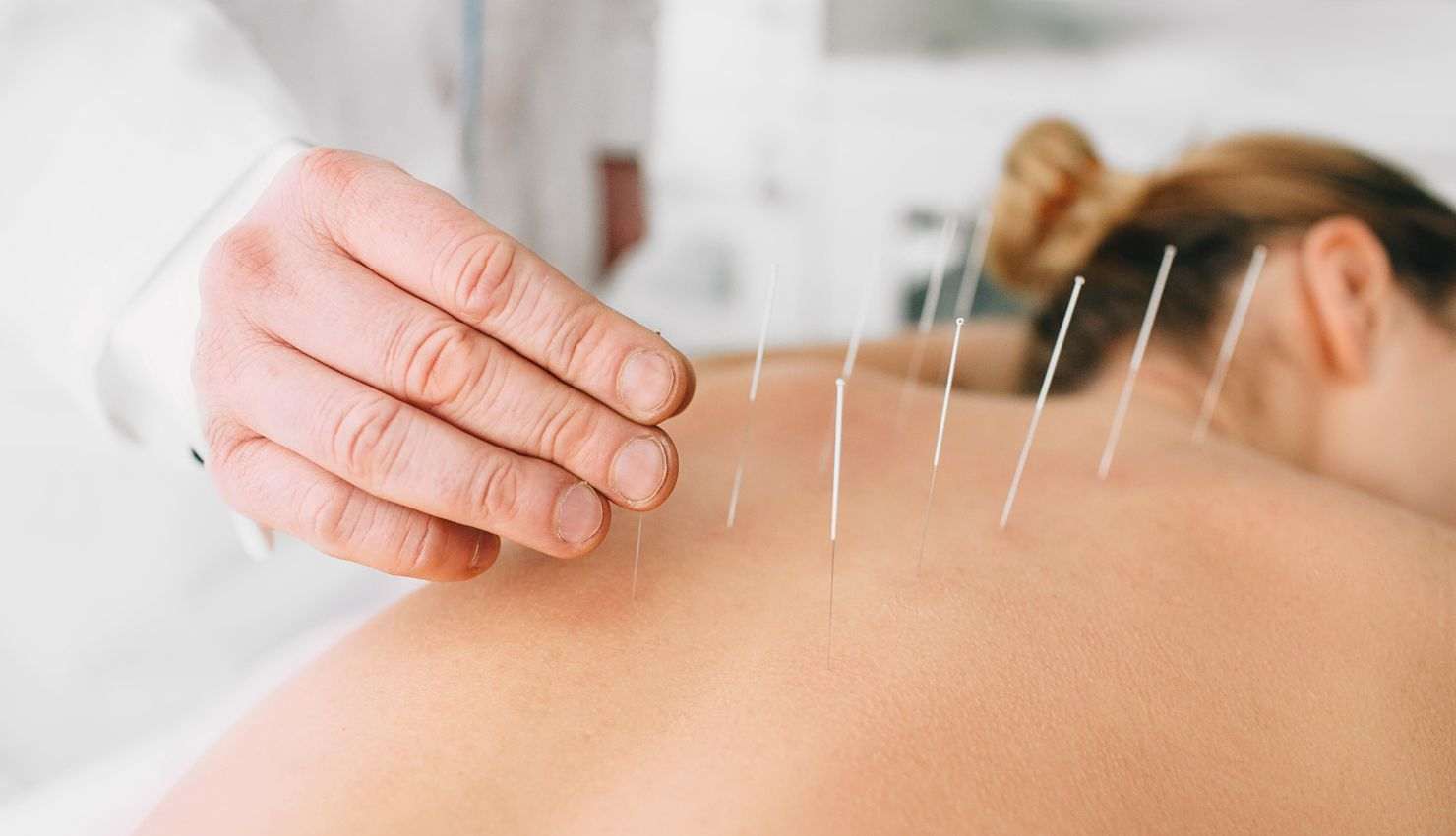
The acupuncturist will swab selected areas with alcohol before inserting the needles. Each needle is single-use, sterile, and hair-thinmuch finer than hypodermic needles used for injections.
Needle Insertion: What It Feels Like
Most people are surprised at how painless acupuncture can be. You might feel a mild prick as the needle goes in, followed by sensations like tingling, warmth, heaviness, or dull pressure. These sensations are normal and often a sign that the treatment is working.
Depending on the treatment, anywhere from 5 to 30 needles may be inserted. Once the needles are in place, youll rest for 20 to 40 minutes while the acupuncturist steps out or checks on you periodically.
Common Physical and Emotional Reactions
Its normal to feel deeply relaxed, even sleepy, during the session. Some people experience emotional releases, such as sudden laughter or tearsthis is also a healthy response as the body lets go of stored tension or trauma. Others feel an immediate shift in symptoms like pain or tightness.
You may also experience sensations away from the site of the needlethis is due to the stimulation of nerves and energy channels. Its generally a sign that your system is engaging with the treatment.
After the Session: What to Expect
When the treatment ends, the acupuncturist will gently remove the needles. There should be no painjust a slight sensation or dull ache where the needle was. Youll be advised to rest for a moment and drink water afterward to support detoxification and circulation.
Post-Treatment Care and Tips
Rest: Give your body a chance to process the effects. Avoid strenuous exercise or mentally taxing tasks immediately after your session.
Hydrate: Drink plenty of water to help flush out toxins and support energy flow.
Eat a nourishing meal: Choose light, healthy foods to keep your system balanced.
Take note of any changes: Track how your symptoms evolve over the next few days. Share these with your acupuncturist at your next session.
Frequency of Sessions
Your treatment plan will vary based on your condition, goals, and response. Acute conditions may respond quickly in 13 sessions, while chronic or complex conditions may require a longer course of treatmenttypically once or twice a week for several weeks.
Acupuncture is cumulative, meaning the benefits often build over time. Many people continue with monthly maintenance sessions for overall wellness and stress reduction.
Is Acupuncture Safe?
When performed by a qualified practitioner, acupuncture is very safe. All needles are sterile, disposable, and used only once. Side effects are rare but may include mild bruising, temporary soreness, or slight bleeding at the needle site.
Always disclose any health conditions, such as pregnancy, bleeding disorders, or if youre taking blood thinners. Your acupuncturist will tailor your treatment accordingly.
Final Thoughts: Embracing the Process
Your first acupuncture session is the beginning of a journey toward better balance, energy, and well-being. While results may vary from person to person, many find relief, insight, and healing through regular sessions. The key is to approach acupuncture with an open mind and trust in the body’s ability to heal itself with the right support.