How Acupuncture Supports Hormonal Wellness explores targeted strategies for recovery. Discover new paths to mobility, healing, and personalized care.

Hormones play a powerful role in every aspect of our healthfrom energy levels and mood to digestion, sleep, fertility, and aging. When hormones are in balance, the body operates smoothly. But when imbalances occur, the effects can be far-reaching and disruptive. Symptoms such as fatigue, weight gain, irregular periods, mood swings, acne, insomnia, and fertility issues are often tied to hormonal dysfunction.
While conventional approaches may involve hormone replacement therapy, birth control pills, or pharmaceuticals, many individuals are turning to acupuncture as a natural and effective way to support hormonal balance. Rooted in Traditional Chinese Medicine (TCM), acupuncture works with the bodys energy systems to help regulate endocrine function, improve emotional health, and bring the body into a more harmonious state.
Understanding Hormones Through the Lens of TCM
In TCM, the endocrine systemresponsible for producing and regulating hormonesis not viewed as a separate system, but rather as part of a larger network of organ systems and meridians that regulate energy (Qi), blood flow, and emotional balance.
Key organs involved in hormonal regulation from a TCM perspective include:
Kidneys: Govern growth, reproduction, aging, and hormonal reserves (including sex hormones).
Liver: Regulates the smooth flow of Qi and blood, and is vital for menstrual health and emotional balance.
Spleen: Supports digestion and helps produce the energy and blood needed for hormonal function.
Heart: Connects with emotional health and the mind-body connection, influencing stress-related hormone levels.
When one of these systems is deficient or stagnant, hormonal symptoms can emerge. Acupuncture works by activating specific points along the meridians associated with these systems, promoting optimal organ function and encouraging the body to rebalance itself naturally.
Hormonal Imbalances Acupuncture Can Address
Acupuncture has shown promising results for a wide range of hormone-related conditions in both women and men. Some of the most common include:
1. Menstrual Irregularities
Acupuncture helps regulate menstrual cycles by supporting Liver and Kidney function, reducing stress, and improving blood flow to the reproductive organs. It can help address:
Irregular periods
Painful cramps (dysmenorrhea)
PMS symptoms
Heavy or light bleeding
2. Fertility Support
Whether trying to conceive naturally or undergoing fertility treatments, acupuncture improves reproductive health by enhancing uterine blood flow, regulating ovulation, balancing hormone levels (like FSH and LH), and reducing stress. It also supports sperm quality and libido in men.
3. Perimenopause and Menopause
During the transition into menopause, many women experience hot flashes, night sweats, mood changes, insomnia, and fatigue due to declining estrogen levels. Acupuncture helps ease this transition by cooling internal heat, calming the nervous system, and nourishing Kidney Yin, which governs aging and hormonal decline in TCM.
4. Thyroid Dysfunction
Whether hypothyroidism or hyperthyroidism, acupuncture can assist with thyroid-related symptoms such as low energy, weight changes, anxiety, depression, or brain fog by regulating the body’s energetic and metabolic rhythms.
5. Polycystic Ovary Syndrome (PCOS)
PCOS is associated with hormonal imbalances like elevated androgens, insulin resistance, and irregular ovulation. Acupuncture can help by improving insulin sensitivity, reducing inflammation, and regulating the menstrual cycle.
6. Adrenal Fatigue and Chronic Stress
Constant stress taxes the adrenal glands and elevates cortisol levels, which disrupt hormonal balance. Acupuncture helps reset the stress response by calming the sympathetic nervous system and reducing overproduction of stress hormones.
How Acupuncture Supports Hormonal Regulation
Here are some of the physiological ways acupuncture helps balance hormones:
1. Regulates the Hypothalamic-Pituitary Axis (HPA)
The HPA axis is the command center for hormonal communication. It governs the release of stress hormones, reproductive hormones, and thyroid hormones. Acupuncture has been shown to normalize activity in the HPA axis, helping to regulate the production and release of key hormones like cortisol, estrogen, progesterone, and testosterone.
2. Improves Blood Circulation to Organs and Glands
Healthy blood flow is essential for nutrient delivery and hormonal communication. Acupuncture enhances circulation to reproductive organs, thyroid gland, adrenal glands, and other tissues, allowing for more efficient hormone production and regulation.
3. Reduces Inflammation and Oxidative Stress
Chronic inflammation interferes with hormone receptors and contributes to many hormonal conditions. Acupuncture reduces inflammatory markers and oxidative stress in the body, supporting overall endocrine health.
4. Calms the Nervous System
Hormones are highly sensitive to stress and nervous system imbalances. Acupuncture stimulates the parasympathetic (rest-and-digest) system, reduces sympathetic overactivity (fight-or-flight), and promotes neurotransmitter balanceall of which are essential for emotional and hormonal equilibrium.
Common Acupuncture Points for Hormonal Balance
While treatments are personalized, some points are commonly used to regulate hormones:
Kidney 3 (Taixi): Strengthens kidney function and balances reproductive hormones.
Liver 3 (Taichong): Helps with emotional balance and menstrual regulation.
Spleen 6 (Sanyinjiao): Supports hormonal harmony, particularly in womens health.
Ren 4 and Ren 6 (Conception Vessel points): Nourish reproductive energy and support fertility.
Yintang (between the eyebrows): Calms the mind and reduces stress that impacts hormonal regulation.
What to Expect from Treatment
During your first session, your acupuncturist will ask detailed questions about your symptoms, menstrual cycle (if applicable), energy levels, sleep, digestion, and emotional health. They may also examine your pulse and tongue, key diagnostic tools in TCM.
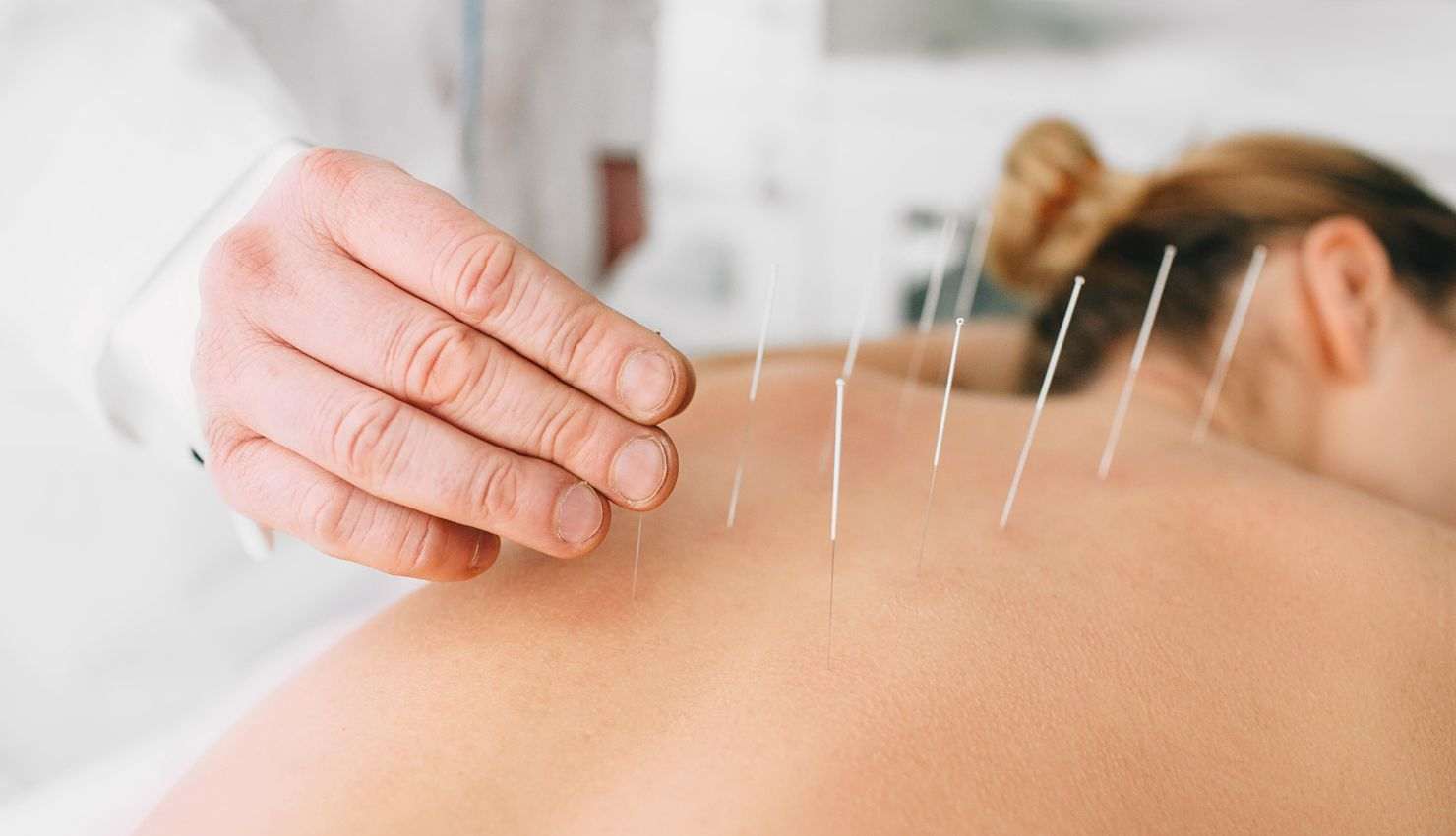
Treatment is gentle and relaxing, with fine needles placed at selected points along the body. Many people feel a deep sense of calm during the session, often followed by improved mood, sleep, or energy in the days that follow.
Results vary depending on the severity of hormonal imbalance, but most individuals begin to see changes within 36 sessions, with deeper shifts occurring over 612 weeks.
Supporting Hormonal Wellness Between Sessions
To complement acupuncture and maintain balance, consider these daily practices:
Eat balanced, nutrient-rich meals with protein, healthy fats, and fiber to stabilize blood sugar and support hormone production.
Practice stress-reducing techniques such as deep breathing, yoga, or mindfulness meditation.
Prioritize sleep and create a consistent bedtime routine.
Exercise moderately, as overtraining can disrupt hormone levels.
Avoid endocrine disruptors like BPA and artificial fragrances by choosing natural products.
When combined with acupuncture, these lifestyle strategies enhance your bodys ability to self-regulate and sustain hormonal wellness over the long term.
Final Thoughts: A Natural Path to Endocrine Balance
Hormonal imbalances can affect every aspect of lifebut they are not something you simply have to live with. Acupuncture offers a natural, safe, and deeply effective approach to restoring hormonal health from the inside out.
By addressing the root causes of imbalance through the meridian system and supporting the bodys natural rhythms, acupuncture empowers you to reclaim your energy, mood, fertility, and vitalitywithout relying solely on medications or invasive interventions.
Your body was designed to stay in balance. With acupuncture as part of your wellness plan, that balance becomes more than a possibilityit becomes your reality.