Acupuncture for Athletes explores targeted strategies for recovery. Discover new paths to mobility, healing, and personalized care.

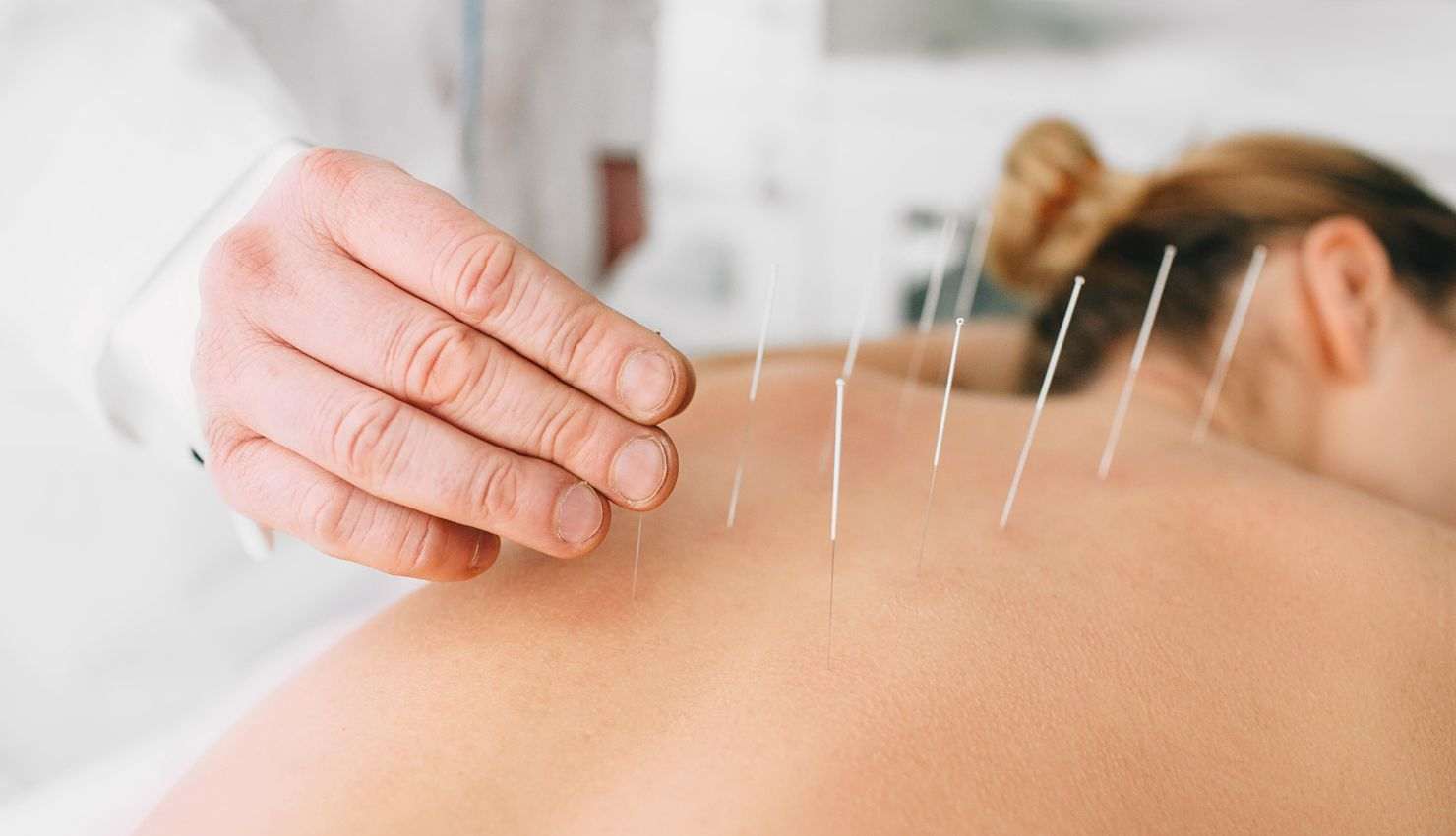
A growing number of elite and recreational athletes are turning to acupuncture as a powerful complement to their training routines. Its not just about pain relief. Acupuncture can improve muscle recovery, boost circulation, reduce inflammation, and support mental focus. When integrated into a training plan, acupuncture enhances the bodys natural ability to perform, heal, and maintain resilience.
Why Acupuncture Works for Athletes
Acupuncture is rooted in Traditional Chinese Medicine (TCM) and involves the strategic placement of ultra-fine needles into specific points on the body to stimulate Qi (vital energy) and improve balance within the meridian system. While ancient in practice, modern research confirms that acupuncture affects the nervous system, musculoskeletal system, immune system, and circulation, all of which are crucial for athletes.
Heres how acupuncture helps athletes:
Increases blood flow and oxygen delivery to muscles
Reduces inflammation and muscle soreness
Enhances range of motion and flexibility
Lowers stress and improves mental focus
Accelerates recovery from injury or overuse
Regulates hormones and boosts immune response
These benefits can make a measurable difference in both training outcomes and long-term performance.
Enhancing Athletic Performance with Acupuncture
1. Improved Circulation and Muscle Oxygenation
Acupuncture stimulates microcirculation, which improves oxygen and nutrient delivery to muscle tissues. This not only enhances endurance and muscle function during workouts but also reduces lactic acid build-up, helping you recover faster post-exercise.
Increased blood flow also supports better joint health, reducing the risk of stiffness or injury in high-demand areas like the knees, hips, and shoulders.
2. Enhanced Flexibility and Range of Motion
Tight fascia, contracted muscles, or restricted joints can limit your athletic potential. Acupuncture helps relax tight muscle groups, reduce fascial tension, and enhance movement efficiency. Specific points on the Gallbladder, Bladder, and Liver meridians can relieve stiffness and restore mobility in frequently overused areas like the hamstrings, lower back, and calves.
3. Mental Clarity and Focus
Performance isnt just physicalits mental. Acupuncture calms the sympathetic nervous system (fight or flight) and activates the parasympathetic response (rest and digest), helping athletes improve focus, concentration, and sleepkey components of mental and physical readiness.
Points like Yintang, Heart 7, and Du 20 are often used to calm pre-game anxiety, improve sleep quality, and enhance mental clarity before competition.
Acupuncture for Athletic Recovery
Recovery is when performance gains are consolidated. Acupuncture supports all aspects of post-workout healing and injury recovery.
1. Muscle Soreness and Fatigue
Post-exercise soreness, also known as DOMS (Delayed Onset Muscle Soreness), can be debilitating. Acupuncture stimulates the release of endorphinsyour bodys natural painkillersand anti-inflammatory cytokines, helping to relieve discomfort and promote faster muscle recovery.
It also improves lymphatic drainage, which helps flush waste products from tissues more efficiently.
2. Injury Prevention and Rehabilitation
Tendinitis, sprains, strains, and overuse injuries are common in athletes. Acupuncture supports tissue repair, reduces swelling, and shortens recovery times. For example:
Achilles tendinitis: Acupuncture along the Bladder and Kidney meridians can reduce tension and inflammation in the lower leg.
Shoulder injuries: Points along the Small Intestine and Large Intestine meridians help restore mobility and relieve tension in the rotator cuff.
Lower back pain: Treating Bladder and Du meridians can stabilize the spine and reduce pain.
Acupuncture is also a valuable tool post-surgery to reduce scar tissue formation, manage pain without medication, and reestablish proper movement patterns.
3. Sleep and Hormonal Recovery
Restorative sleep is essential for physical recovery and hormonal regulation. Acupuncture promotes deeper sleep by modulating melatonin production and lowering cortisol levels. Better sleep means faster muscle repair, improved mood, and sharper cognitive performance during training or competition.
Commonly Used Points for Athletes
A skilled acupuncturist will tailor treatments based on your sport, body mechanics, and personal goals. However, some commonly used points include:
Stomach 36 (Zusanli): Boosts energy, immune function, and recovery
Bladder 40 (Weizhong): Relieves lower back and leg pain
Gallbladder 34 (Yanglingquan): Reduces muscle tightness, improves flexibility
Large Intestine 4 (Hegu): Alleviates pain and inflammation
Liver 3 (Taichong): Improves circulation, reduces cramps and spasms
Spleen 6 (Sanyinjiao): Helps with fatigue and hormonal balance
Sessions may also include electroacupuncture, where a mild electrical pulse is applied to needles for deeper stimulation and muscle repair.
How Often Should Athletes Receive Acupuncture?
The frequency depends on your training intensity, recovery needs, and specific goals:
For performance enhancement: Weekly or biweekly sessions during training cycles
For recovery and injury prevention: Once every 12 weeks to support tissue healing
For acute injury or post-surgery: 23 sessions per week initially, tapering off as you heal
For competition prep: One session a few days before to reduce tension and calm the mind
Even a monthly maintenance session can keep the body in alignment and prevent small issues from becoming major injuries.
Supporting Acupuncture Benefits Between Sessions
To get the most out of acupuncture, combine it with self-care practices that support energy flow and muscle health:
Hydrate thoroughly before and after sessions
Stretch or foam roll regularly to prevent tight fascia
Use contrast therapy (hot and cold) for joint recovery
Eat nutrient-dense foods to replenish energy stores
Practice breathwork or mindfulness to stabilize the nervous system
These habits, combined with acupuncture, create a comprehensive approach to high-performance wellness.
Final Thoughts: A Natural Edge for Every Athlete
Whether you’re chasing a personal record, coming back from injury, or simply looking to move with less pain and more ease, acupuncture offers a time-tested, drug-free way to support your body and mind.
Acupuncture enhances circulation, muscle repair, energy regulation, and mental clarityeverything you need to perform at your best. Its not just therapy; its a performance tool, recovery accelerator, and longevity strategy all in one.
As more athletesfrom Olympians to weekend warriorsembrace the power of acupuncture, one thing is clear: when your energy flows freely, your full potential is unlocked.