How Acupuncture Helps With Fertility and Reproductive Health explores targeted strategies for recovery. Discover new paths to mobility, healing, and personalized care.

Acupuncture, a practice rooted in Traditional Chinese Medicine (TCM), has gained widespread recognition for its effectiveness in enhancing fertility and improving reproductive health. With the increasing number of individuals and couples seeking holistic approaches to fertility, acupuncture offers a natural and non-invasive option that can help address both male and female reproductive concerns. In this blog, we will explore the potential benefits of acupuncture for fertility and reproductive health, backed by the principles of TCM.
What Is Acupuncture?
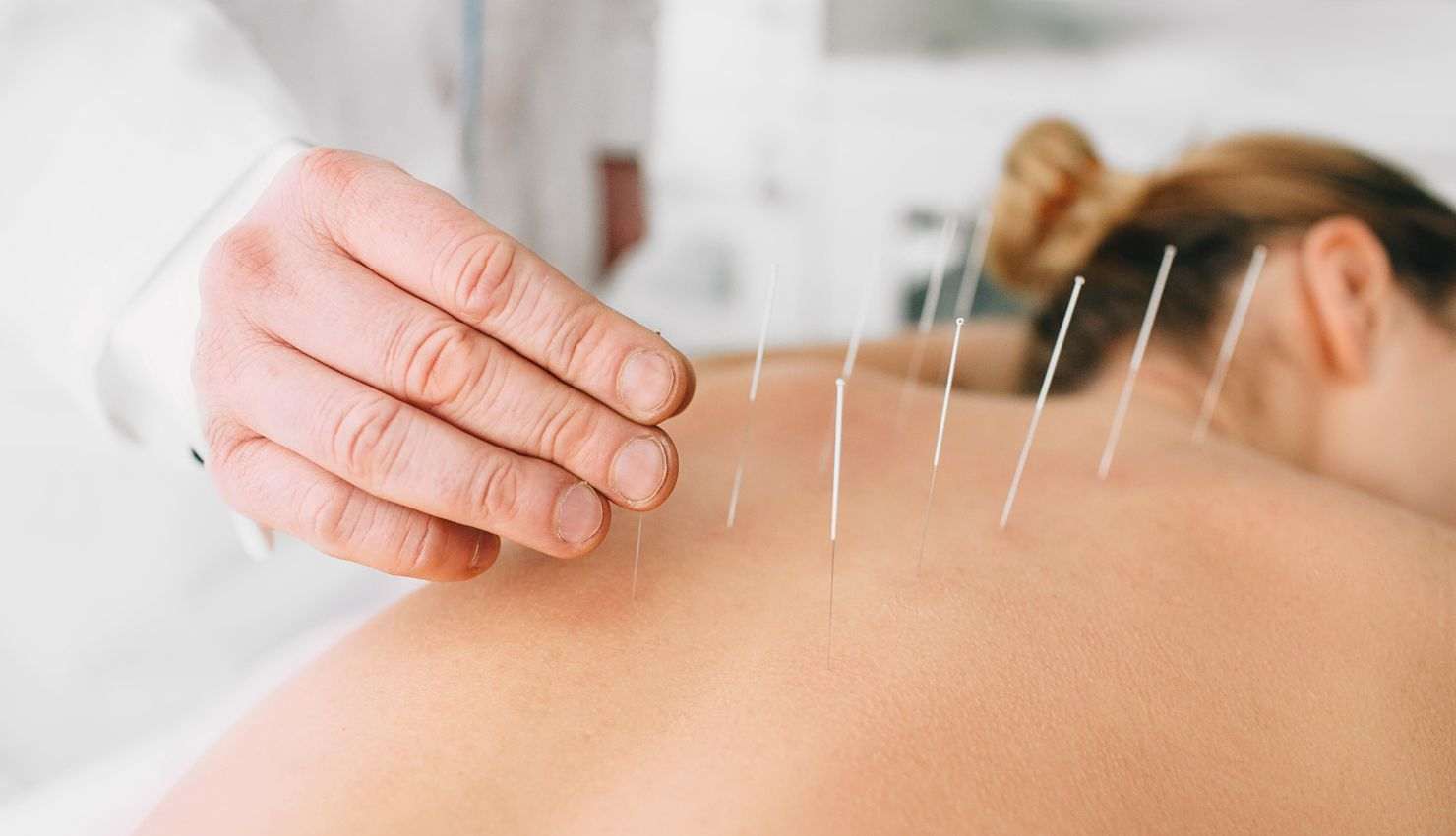
Acupuncture is the practice of inserting fine, sterile needles into specific points on the body to stimulate energy flow, or “Qi,” and promote healing. According to Traditional Chinese Medicine, the bodys energy is supposed to flow smoothly through pathways known as meridians. When there is a blockage or imbalance, it can result in physical or emotional discomfort. Acupuncture aims to restore balance and improve overall health by clearing these blockages and enhancing the body’s natural healing abilities.
How Acupuncture Supports Fertility
Acupuncture can be a helpful tool for individuals experiencing fertility issues. Whether someone is struggling with conditions like polycystic ovary syndrome (PCOS), endometriosis, or unexplained infertility, acupuncture may offer benefits that help improve reproductive health.
1. Improved Blood Flow to Reproductive Organs
One of the main mechanisms by which acupuncture supports fertility is by increasing blood flow to the reproductive organs, including the uterus and ovaries. This enhanced circulation improves the delivery of nutrients and oxygen, which are essential for healthy egg development, a balanced menstrual cycle, and a nurturing environment for implantation.
2. Hormonal Regulation
Acupuncture helps to regulate hormones by stimulating the bodys natural production of reproductive hormones, such as estrogen and progesterone. By restoring hormonal balance, acupuncture can help address issues like irregular periods, anovulation (lack of ovulation), or luteal phase defects (short luteal phase). This hormone balancing effect also helps improve the quality of the eggs, increasing the chances of successful conception.
3. Stress Reduction
Stress is known to play a significant role in fertility struggles, affecting hormone levels and interfering with ovulation. Acupuncture helps to promote relaxation and reduce stress by stimulating the release of endorphins, the bodys natural “feel-good” chemicals. Lowering stress levels can create a more favorable environment for conception and can also improve sleep, making it easier for the body to regulate its natural processes.
4. Improved Sperm Quality
For men, acupuncture may also improve fertility by enhancing sperm quality. Studies have shown that acupuncture can increase sperm count, motility (movement), and morphology (shape). It works by promoting healthy blood flow to the testes, thereby supporting the production of healthy sperm cells.
Acupuncture for Reproductive Health Beyond Fertility
Acupuncture doesnt just help with fertility issues; it can also support overall reproductive health, ensuring that the body functions optimally for conception and carrying a pregnancy to term. Here are a few additional ways acupuncture supports reproductive health:
1. Regulation of Menstrual Cycles
For women experiencing irregular or painful menstrual cycles, acupuncture can help regulate the menstrual cycle by addressing underlying imbalances in the body. Whether someone is dealing with heavy bleeding, cramps, or absence of menstruation, acupuncture can help regulate the flow and promote a more regular cycle, which is vital for conception.
2. Relief from Menopause Symptoms
As women transition into menopause, acupuncture can offer relief from common symptoms such as hot flashes, night sweats, mood swings, and sleep disturbances. By balancing hormones, acupuncture helps alleviate the discomfort that often accompanies this stage of life, ensuring that women maintain their overall health and well-being.
3. Support for Polycystic Ovary Syndrome (PCOS)
PCOS is a common condition that affects womens fertility, often resulting in irregular periods, cysts on the ovaries, and difficulty getting pregnant. Acupuncture has been shown to help regulate menstrual cycles in women with PCOS and may also improve insulin sensitivity, a critical factor in managing the condition and improving fertility.
4. Enhancing Pregnancy Outcomes
For women who are already pregnant or undergoing assisted reproductive technology (ART) treatments like in vitro fertilization (IVF), acupuncture can support the body during this critical time. Acupuncture helps reduce the risk of miscarriage, promotes healthy fetal development, and alleviates common pregnancy discomforts, including nausea, back pain, and fatigue.
Acupuncture as a Complementary Treatment
While acupuncture can be beneficial on its own, it is most effective when used in conjunction with other fertility treatments. Many individuals undergoing IVF, intrauterine insemination (IUI), or other fertility treatments incorporate acupuncture into their regimen to enhance the chances of success. Acupuncture can help the body better respond to treatments and reduce the potential side effects associated with fertility drugs.
The Role of the Acupuncturist in Fertility Treatment
Acupuncture for fertility and reproductive health should be administered by a trained and licensed acupuncturist who specializes in fertility treatments. They will perform a thorough evaluation to assess the individuals overall health, fertility history, and any specific concerns. Based on this assessment, the acupuncturist will develop a personalized treatment plan designed to address the root cause of fertility issues and support the bodys natural healing abilities.
Conclusion
Acupuncture is a safe, natural, and effective treatment option for individuals seeking to improve their fertility and reproductive health. Whether you are struggling with infertility, hormonal imbalances, or menstrual irregularities, acupuncture offers a holistic approach that addresses the underlying causes of reproductive concerns and supports the bodys natural ability to heal. By promoting hormonal balance, improving circulation, and reducing stress, acupuncture creates an optimal environment for conception, pregnancy, and overall reproductive health.
If you’re considering acupuncture as part of your fertility journey, consult with a licensed acupuncturist who can guide you through the process and tailor a treatment plan to meet your specific needs. With its holistic approach to healing, acupuncture may provide the support you need to achieve your reproductive health goals.