Understanding Qi, Blood, and Jing in Traditional Chinese Medicine explores targeted strategies for recovery. Discover new paths to mobility, healing, and personalized care.

Traditional Chinese Medicine (TCM) is a holistic approach to health and healing that has been practiced for thousands of years. Central to TCM are the concepts of Qi, Blood, and Jingthree essential substances that play a vital role in maintaining health and vitality. Understanding how these substances work together provides insight into how TCM diagnoses and treats a variety of health conditions. In this blog, we will explore the meanings of Qi, Blood, and Jing, how they relate to one another, and how they impact overall health.
What Is Qi?
In Traditional Chinese Medicine, Qi (pronounced “chee”) is often described as the vital life force or energy that flows through all living things. Qi is not just an abstract concept; it is believed to be the fundamental energy that powers and sustains every process in the body, from digestion and circulation to emotional well-being and mental clarity.
The Role of Qi in Health
According to TCM, health is the result of a balanced and unobstructed flow of Qi. When Qi flows freely and in the correct quantity, the body is in a state of balance and harmony. However, when Qi becomes stagnant, deficient, or excessive, it can lead to illness or disease. Qi is said to flow along pathways called meridians, and each organ in the body is connected to a specific meridian. Practitioners of acupuncture and other TCM treatments aim to restore the proper flow of Qi by targeting specific acupoints along these meridians.
There are several different types of Qi, including:
Congenital Qi: This is the Qi you are born with and is stored in the kidneys. It is considered the foundation for life and is responsible for growth, development, and reproductive health.
Acquired Qi: This type of Qi is obtained through food, air, and drink. It is constantly replenished to sustain life and energy.
Defensive Qi: This Qi protects the body from external pathogens, like viruses or bacteria, and helps the body resist disease.
Maintaining a strong, balanced flow of Qi is crucial to health, and disruptions in its flow can lead to symptoms such as fatigue, pain, anxiety, or digestive problems.
What Is Blood in TCM?
In TCM, Blood (Xue) is much more than the physical substance circulating through the bodys veins. Blood in TCM is seen as a nourishing substance that provides the body with the nutrients it needs to function properly. It is closely connected with Qi and is responsible for sustaining life, nurturing the organs, and promoting vitality.
The Role of Blood in Health
Blood has a dual function in the body: it nourishes and moistens tissues, and it is also the foundation for the body’s Yin energy. TCM believes that Blood is produced from food and fluids after they are transformed by the digestive system, and it is “moved” by Qi. Blood also helps to cool the body, ensuring that internal temperatures remain stable.
When the bodys Blood is abundant and flowing smoothly, it supports overall health, provides nourishment, and keeps the bodys energy levels high. On the other hand, when Blood is deficient, the body may experience a variety of symptoms, including fatigue, dizziness, pale skin, and dry eyes. Insufficient Blood may also lead to emotional imbalances, such as anxiety or irritability.
The Relationship Between Qi and Blood
In TCM, Qi and Blood are interconnected and dependent on one another. Qi moves and nourishes Blood, while Blood anchors and supports Qi. Without an adequate supply of Blood, Qi cannot function properly. Similarly, if Qi is deficient, it cannot move or nourish the Blood effectively. For optimal health, there must be a harmonious relationship between Qi and Blood, with Qi providing the energy to circulate Blood, and Blood providing the nourishment that Qi needs to function.
What Is Jing?
Jing (pronounced “jing”) is often translated as “Essence” in English, and it is considered the most foundational substance in the body. Jing is stored in the kidneys and is responsible for growth, development, reproduction, and overall vitality. It is believed that Jing is inherited from our parents and represents the energy that supports our life from birth to death.
The Role of Jing in Health
In TCM, Jing is considered to be the root of Yin and Yang in the body. It plays a critical role in the development and function of all physiological processes, including metabolism, reproduction, and aging. Jing is responsible for the bodys constitutional strength, as well as its ability to resist disease and recover from illness.
Jing is finiteonce it is depleted, it cannot be replenished. This is why, according to TCM, it is essential to maintain good health throughout life, as the depletion of Jing is associated with aging and chronic illness. Activities such as overworking, excessive stress, and poor lifestyle choices can accelerate the depletion of Jing, leading to premature aging, reduced fertility, and a weakened immune system.
The Interconnectedness of Qi, Blood, and Jing
While Qi, Blood, and Jing are distinct substances in TCM, they are closely interconnected and interdependent. They work together to maintain balance in the body and ensure optimal health. Heres how these substances relate to each other:
Jing is the foundation: Jing is considered the most fundamental substance in the body, providing the foundation for Qi and Blood. It is the energy that drives the growth and development of the body.
Qi moves and energizes: Qi provides the energy to move and circulate Blood, which in turn nourishes and supports the organs, tissues, and muscles.
Blood nourishes and supports: Blood is the substance that nourishes Qi and sustains the bodys Yin energy. Without adequate Blood, Qi cannot function properly.
In this way, maintaining a balance of Qi, Blood, and Jing is essential for overall health. When one of these substances is imbalanced or deficient, it can lead to a variety of physical and emotional symptoms, and can impact the bodys ability to heal and function properly.
How Acupuncture Supports Qi, Blood, and Jing
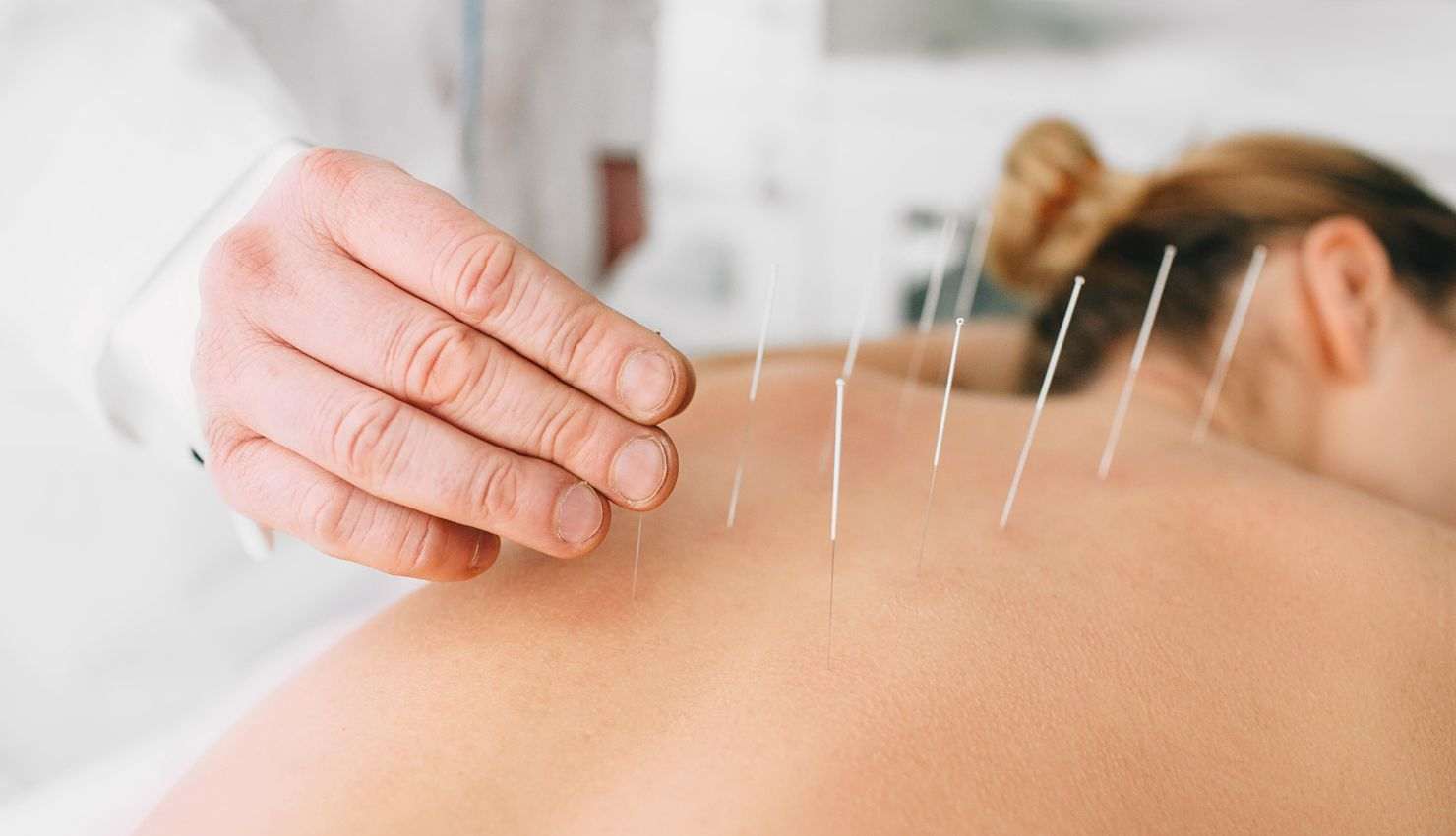
Acupuncture is a highly effective method for restoring balance to Qi, Blood, and Jing. By stimulating specific acupoints, acupuncture helps regulate the flow of energy throughout the body, replenish deficiencies, and eliminate blockages. Acupuncture can enhance the circulation of Qi and Blood, promote the production of healthy Jing, and restore harmony between the bodys essential substances.
In TCM, acupuncture treatments are tailored to each individuals unique constitution and health needs. A licensed acupuncturist will assess your symptoms, health history, and lifestyle to create a personalized treatment plan that targets the underlying imbalances of Qi, Blood, and Jing.
Conclusion
Qi, Blood, and Jing are three essential substances that form the foundation of health and vitality in Traditional Chinese Medicine. They are interconnected, and a balance between them is necessary to maintain optimal health and prevent illness. By understanding the roles of these substances, you can gain a deeper appreciation for the holistic approach of TCM and how it works to restore harmony in the body.
Acupuncture, as a cornerstone of TCM, can be an effective way to restore balance to Qi, Blood, and Jing. Whether youre seeking to improve energy levels, address hormonal imbalances, or enhance overall well-being, acupuncture offers a natural and holistic approach to healing. To explore how acupuncture can support your health, consult with a licensed practitioner who can guide you through a personalized treatment plan.