Top FAQs About Acupuncture Answered by a Practitioner explores targeted strategies for recovery. Discover new paths to mobility, healing, and personalized care.

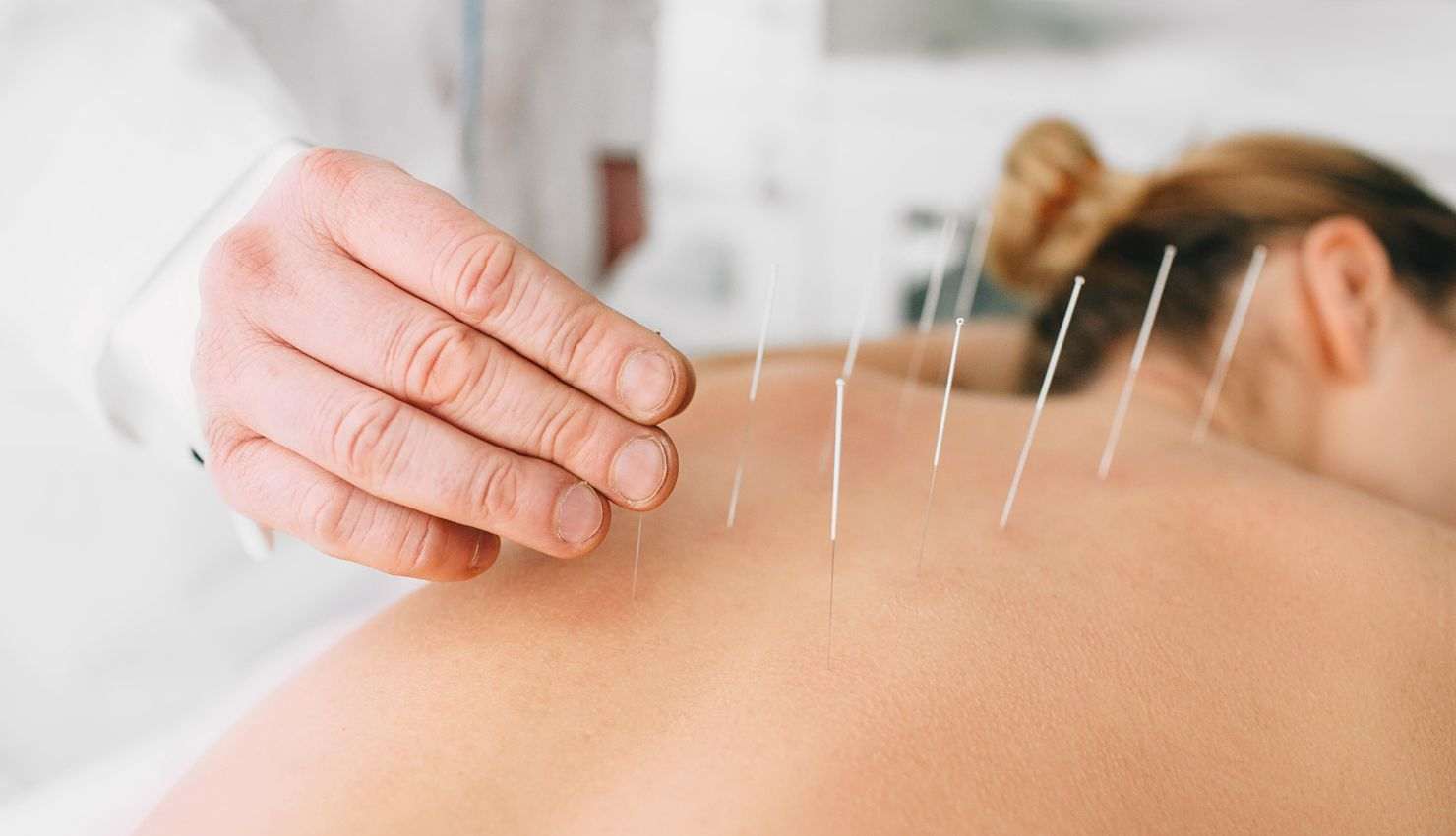
Acupuncture has become increasingly popular over the years as people seek natural, holistic treatments for a variety of health issues. However, many still have questions and misconceptions about this ancient therapy. Whether you’re new to acupuncture or considering it for the first time, understanding what to expect can help ease any uncertainties you might have.
To clear up some of the common questions about acupuncture, we sat down with a licensed practitioner to provide you with answers directly from the experts. In this blog post, well address the top FAQs about acupuncture, so you can make an informed decision about whether its right for you.
1. What is Acupuncture and How Does It Work?
Acupuncture is a therapeutic practice that involves inserting thin needles into specific points on the body to stimulate the flow of energy (Qi) along pathways called meridians. According to Traditional Chinese Medicine (TCM), when Qi becomes blocked or unbalanced, it can cause illness or pain. By inserting needles at certain acupoints, acupuncture is thought to restore balance and help the bodys natural healing processes.
The needles are typically left in place for about 15 to 30 minutes, and the process is generally painless. Many people find acupuncture sessions to be deeply relaxing and even sleep-inducing.
2. Is Acupuncture Painful?
One of the most common concerns about acupuncture is whether it hurts. The short answer is no, acupuncture should not cause pain. While you may feel a slight sensation when the needles are inserted, its generally described as a mild tingling, dull ache, or pressure. The sensation is often very subtle and doesnt last long. Most people report feeling relaxed or even euphoric after a session.
That said, everyones sensitivity level is different, and if you do feel any discomfort, be sure to let your acupuncturist know. A skilled practitioner will adjust the treatment to ensure your comfort.
3. What Can Acupuncture Treat?
Acupuncture is a versatile therapy that can be used to treat a wide variety of conditions. Some of the most common ailments treated by acupuncture include:
Chronic pain (back pain, arthritis, migraines)
Stress and anxiety
Digestive issues (IBS, bloating, indigestion)
Insomnia and sleep disorders
Hormonal imbalances (menstrual issues, menopause symptoms)
Acne and skin issues
Post-surgery recovery
Infertility and reproductive health
Acupuncture can also be used as part of a preventative health routine, promoting overall wellness and supporting the bodys natural ability to heal.
4. How Many Sessions Will I Need?
The number of acupuncture sessions required will vary depending on the condition being treated and the individuals response to therapy. For acute issues, such as a recent injury, you may need treatments more frequently, such as 23 times per week. For chronic conditions or general wellness, once a week or bi-weekly treatments may be sufficient.
Your acupuncturist will typically reassess your progress after a few sessions and may adjust the frequency of treatments based on your improvement. Its important to be consistent with your treatments for the best results, but as your condition improves, the frequency of sessions will likely decrease.
5. Can Acupuncture Be Combined With Other Treatments?
Yes, acupuncture can often be combined with other forms of holistic therapy, such as massage, chiropractic care, herbal medicine, and nutritional counseling. Many people choose to integrate acupuncture with these treatments for a more comprehensive approach to healing.
For instance, acupuncture can help with pain relief and restoring balance, while massage therapy can relax the muscles and improve circulation. Acupuncture and herbal medicine are often used together in Traditional Chinese Medicine to address both the root causes and symptoms of a condition.
If you’re considering combining acupuncture with other treatments, make sure to discuss it with your acupuncturist. They can help tailor a treatment plan that works well for you and your specific needs.
6. Is Acupuncture Safe?
When performed by a trained and licensed practitioner, acupuncture is very safe. The needles used in acupuncture are single-use, sterile, and incredibly thinmuch thinner than needles used for injections or blood draws. This makes acupuncture a safe, non-invasive therapy.
While rare, some people may experience mild side effects, such as slight bruising or temporary fatigue. If you have any concerns or specific health conditions, its important to let your acupuncturist know during your consultation so they can adjust the treatment accordingly.
7. How Soon Will I Start Feeling Better?
Some people report feeling relief immediately after their first acupuncture session, while others may need several treatments before noticing significant changes. Since acupuncture is a cumulative therapy, it may take time for your body to fully respond to the treatment.
For chronic conditions, its important to be patient and consistent with your treatments. Over time, as your body begins to heal and regain balance, you should start feeling better. Your acupuncturist will monitor your progress and adjust your treatment plan accordingly to ensure the best results.
8. Are There Any Side Effects?
In general, acupuncture is considered safe and well-tolerated, especially when performed by a licensed acupuncturist. However, like any therapy, there may be some mild side effects, such as:
Slight bruising or redness at the needle sites
Temporary dizziness or lightheadedness (particularly if youre prone to fainting)
A mild increase in fatigue immediately after a session
These side effects are typically short-lived and subside within a few hours or days. If you experience any unusual or persistent symptoms after acupuncture, its important to contact your acupuncturist right away.
9. Can Acupuncture Help With Mental Health Issues?
Yes, acupuncture can be an effective treatment for various mental health conditions, such as anxiety, depression, and stress. It works by promoting relaxation, reducing the effects of stress, and balancing the bodys energy flow, which can help improve emotional well-being.
Acupuncture may be used alongside other treatments, such as therapy or medication, to support mental health. Many people report feeling more balanced, relaxed, and focused after acupuncture sessions, making it an excellent complementary treatment for mental health care.
10. How Do I Choose a Good Acupuncturist?
Choosing a qualified and licensed acupuncturist is crucial for ensuring you receive safe and effective treatment. Look for practitioners who are licensed by a recognized body or professional association, and ask about their experience in treating the specific condition youre concerned about.
Its also helpful to read reviews or ask for recommendations from friends or healthcare providers. During your initial consultation, take note of how comfortable you feel with the acupuncturist, and make sure they take the time to explain the treatment process and answer any questions you may have.
Final Thoughts: Is Acupuncture Right for You?
Acupuncture is a safe, natural, and effective treatment that can help address a variety of health concerns. If youre considering acupuncture, its important to speak with a licensed practitioner to discuss your needs, set realistic expectations, and create a treatment plan that works for you.
Whether youre seeking relief from pain, stress, or looking for a way to enhance your overall wellness, acupuncture could be just what you need to improve your health and well-being.