The Connection Between Pelvic Floor Health and Your Posture explores targeted strategies for recovery. Discover new paths to mobility, healing, and personalized care.

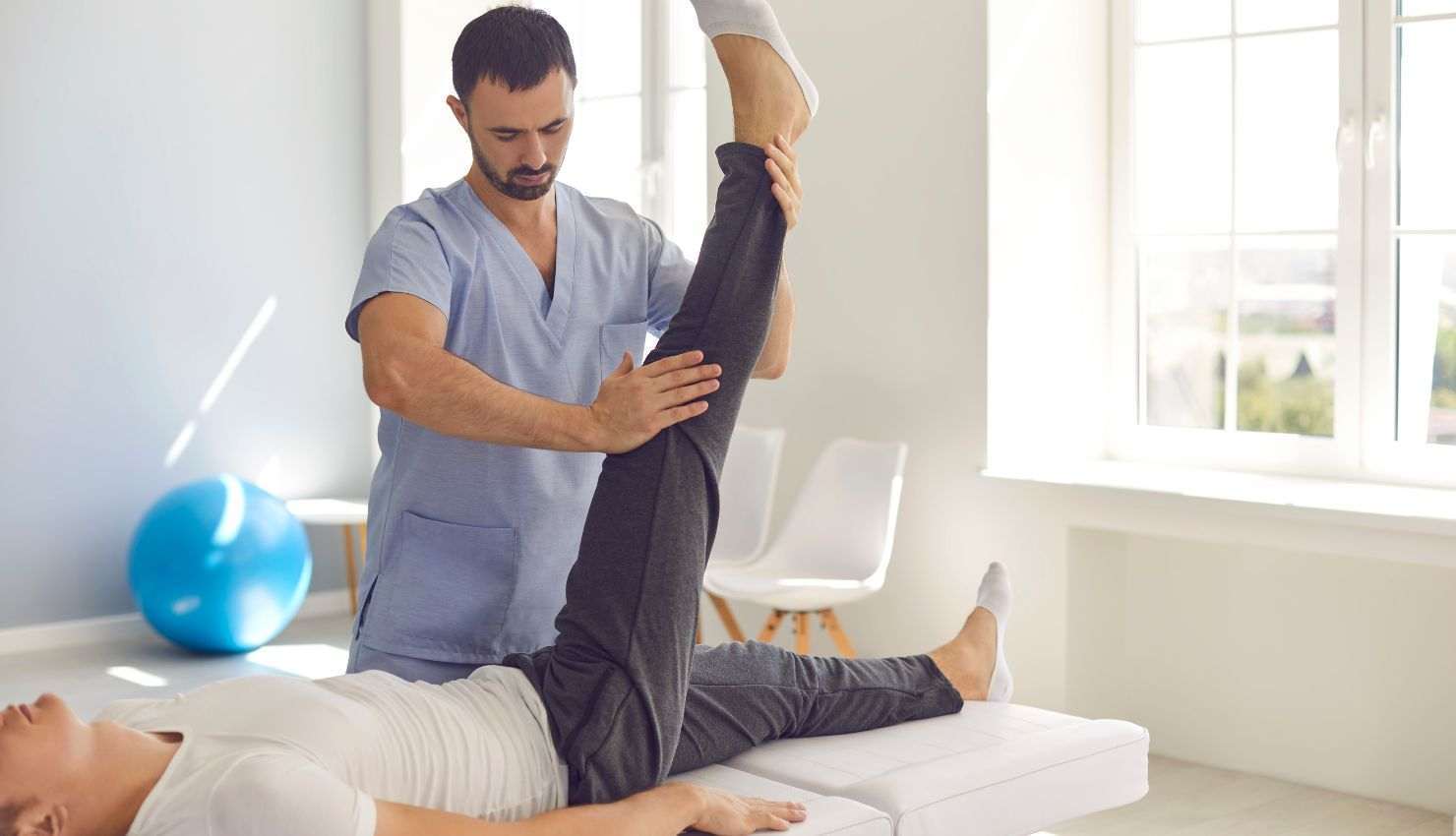
When we think about posture, we often focus on how we carry ourselves while standing or sitting. However, posture isnt just about looking poised or avoiding back painits deeply connected to the health of your pelvic floor muscles. These muscles play a vital role in supporting your pelvic organs, maintaining continence, and contributing to core stability. At YourFormSux (YFS) in Toronto, we emphasize the importance of understanding the link between pelvic floor health and posture to promote overall wellness. This blog explores how your posture influences pelvic floor function and how physiotherapy can help improve both for better health.
Understanding the Pelvic Floor and Its Functions
The pelvic floor is a group of muscles and connective tissues that form a sling-like structure at the base of your pelvis. These muscles support the bladder, uterus (in women), prostate (in men), and rectum. They help control bladder and bowel function, contribute to sexual health, and provide essential support to the core.
For optimal function, the pelvic floor muscles must work in coordination with other core muscles, including the diaphragm, deep abdominal muscles, and back muscles.
How Posture Affects Pelvic Floor Health
Your posturethe alignment of your spine, pelvis, and hipsdirectly impacts how the pelvic floor muscles engage and function. Poor posture can either overactivate or weaken these muscles, leading to dysfunction.
1. Anterior Pelvic Tilt
When the pelvis tilts forward excessively (anterior pelvic tilt), it can overstretch the pelvic floor muscles, weakening them over time. This can contribute to urinary incontinence, pelvic organ prolapse, or lower back pain.
2. Posterior Pelvic Tilt
Conversely, a backward pelvic tilt (posterior tilt) can cause the pelvic floor muscles to become tight and overactive, potentially leading to pelvic pain, constipation, or difficulty relaxing the muscles.
3. Slouched Sitting and Standing
Poor postural habits like slouching compress the abdominal cavity and alter the natural alignment of the pelvis. This affects the ability of the pelvic floor muscles to contract and relax effectively, increasing the risk of dysfunction.
The Core-Pelvic Floor Connection
The pelvic floor muscles are part of the bodys core stabilizing system, working in harmony with the diaphragm, transversus abdominis (deep abdominal muscles), and multifidus (deep back muscles). Proper posture ensures that these muscles engage synergistically to support the spine and pelvis.
When posture is compromised, the core systems balance is disrupted, leading to compensations and potential pelvic floor dysfunction.
How Physiotherapy Can Help Improve Posture and Pelvic Floor Health
Physiotherapy offers a holistic approach to addressing the connection between posture and pelvic floor health:
1. Postural Assessment and Correction
Physiotherapists perform detailed assessments to identify postural deviations affecting pelvic floor function. Through manual therapy and guided exercises, they help restore proper pelvic alignment and spinal posture.
2. Pelvic Floor Muscle Training
Targeted exercises strengthen or relax the pelvic floor muscles based on individual needs. Physiotherapists ensure proper muscle engagement to support posture and function.
3. Core Strengthening and Stability
Physiotherapy programs include exercises that enhance core muscle coordination and strength, improving overall stability and supporting the pelvic floor.
4. Education and Ergonomic Advice
Patients receive education on maintaining good posture during daily activities and workplace ergonomics, reducing strain on the pelvic floor and back.
Benefits of Improving Pelvic Floor Health Through Posture Correction
Reduced urinary incontinence and pelvic pain
Improved spinal and pelvic alignment
Enhanced core strength and balance
Better sexual function
Increased confidence and quality of life
YourFormSux: Supporting Pelvic Floor and Postural Health in Toronto
At YourFormSux, our expert physiotherapists provide comprehensive care that addresses the interplay between posture and pelvic floor health. We develop personalized treatment plans combining manual therapy, exercise, and education to optimize function and wellness.
Whether you experience pelvic floor symptoms or want to improve posture for better health, YourFormSux is here to support your journey.
Conclusion
Posture and pelvic floor health are intricately linked aspects of your physical well-being. Poor posture can disrupt pelvic floor function, leading to discomfort and dysfunction, while proper alignment supports strong and healthy pelvic muscles. Physiotherapy offers effective strategies to improve both posture and pelvic floor health, enhancing overall wellness.
If you want to understand and improve the connection between your posture and pelvic floor health, contact YourFormSux today. Let us guide you toward a healthier, more balanced body in Toronto.