Pelvic Floor Physiotherapy for Athletes explores targeted strategies for recovery. Discover new paths to mobility, healing, and personalized care.

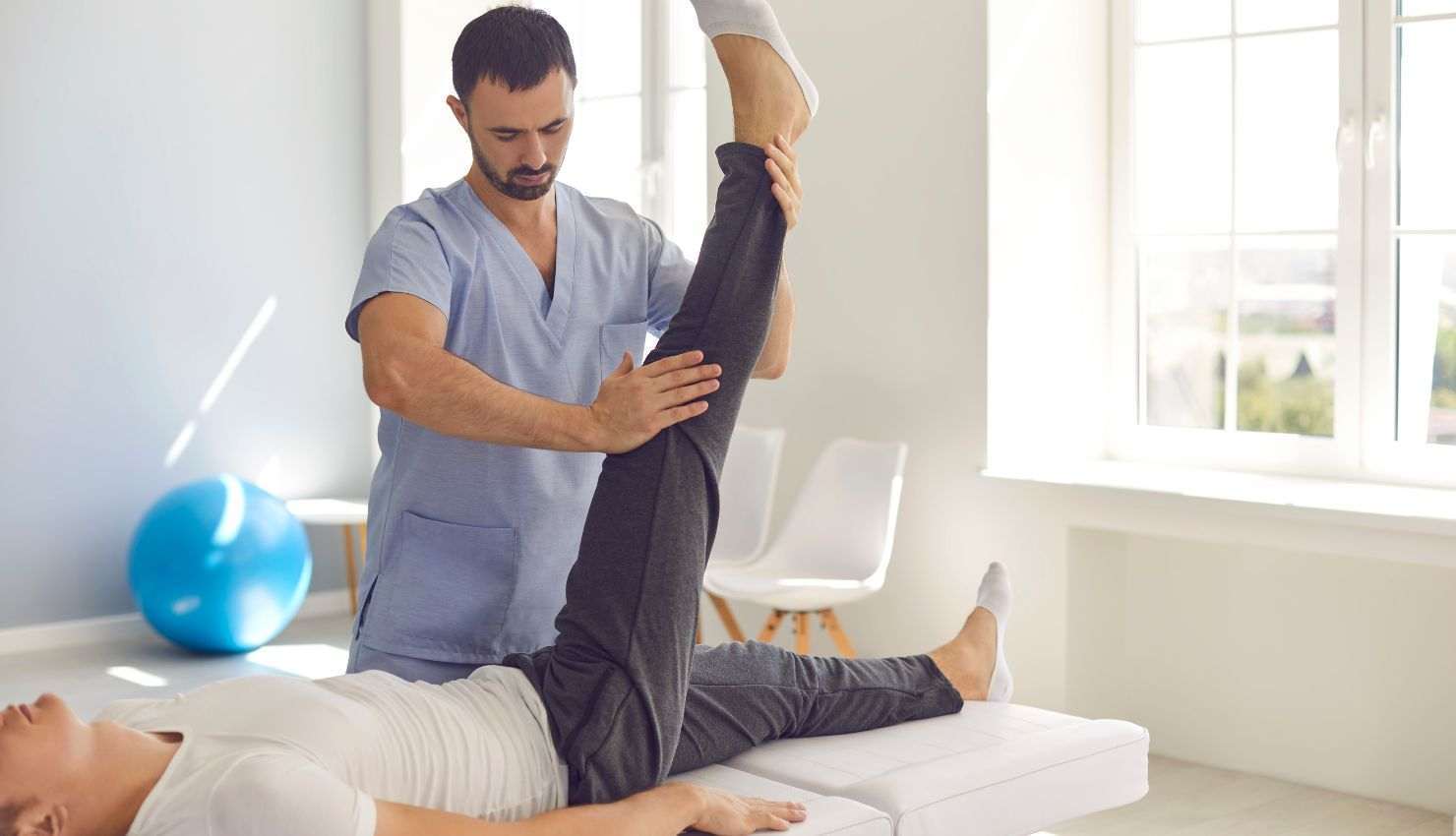
Athletes train their bodies for power, speed, endurance, and precision. But while core workouts, strength training, and mobility routines are staples of athletic programs, one crucial component often goes overlooked: pelvic floor health. The pelvic floor plays a foundational role in athletic performance and injury preventionand when its dysfunctional, it can silently undermine even the most elite training efforts.
Pelvic floor physiotherapy is a specialized form of treatment that helps athletes identify, rehabilitate, and optimize the muscles of the pelvic region. From runners and lifters to dancers and gymnasts, athletes across disciplines can benefit from this often-overlooked approach to training and recovery.
In this blog, well explore how pelvic floor physiotherapy supports athletic performance, helps prevent injury, and contributes to long-term strength and function.
What Is the Pelvic Floor and Why Does It Matter for Athletes?
The pelvic floor is a group of muscles and connective tissues that form a supportive sling at the base of the pelvis. These muscles work with the diaphragm, deep core, and hip stabilizers to:
Support the bladder, bowel, and reproductive organs
Manage intra-abdominal pressure during movement
Stabilize the spine and pelvis
Coordinate breathing and core activation
Control urinary and bowel continence
In athletes, these functions are magnified. The pelvic floor must absorb impact, maintain pressure during exertion, stabilize the trunk through explosive movements, and respond rapidly to changes in position and load. If the pelvic floor is weak, tight, or uncoordinated, it can lead to performance issues, injuries, or dysfunction.
Common Pelvic Floor Issues in Athletes
Pelvic floor dysfunction among athletes is more common than many realize. It can present as:
Urinary leakage during high-impact movements (e.g., jumping, sprinting, lifting)
Pelvic pain during or after activity
Hip, groin, or lower back pain without clear injury
Core instability and difficulty engaging abdominal muscles
Constipation or bowel dysfunction
Pressure or heaviness indicating pelvic organ prolapse (in female athletes)
These issues often go undiagnosed or are dismissed as normal consequences of intense trainingespecially in female athletes and postpartum athletes returning to sport.
How Pelvic Floor Physiotherapy Enhances Athletic Performance
1. Improves Core Stability and Strength
The pelvic floor is part of your deep core system, working alongside the transverse abdominis, diaphragm, and multifidus to create a stable foundation for movement. If the pelvic floor is not functioning optimally, it compromises core activation and efficiency.
Pelvic floor physiotherapy helps athletes:
Properly engage and coordinate their deep core muscles
Enhance load transfer through the pelvis and spine
Improve movement control in dynamic and high-load situations
Reduce compensation patterns that lead to injury
Better core integration leads to stronger, more efficient movementa clear performance edge.
2. Prevents and Treats Stress Urinary Incontinence
Urinary leakage during intense exercise isnt just a postpartum issueit affects many high-impact female athletes, including runners, CrossFitters, and gymnasts. Known as stress urinary incontinence, its caused by the inability of the pelvic floor to handle the increased pressure of effortful movement.
Pelvic floor physiotherapy addresses this by:
Strengthening the muscles responsible for bladder control
Teaching timing and coordination for contraction during high-impact moments
Guiding proper breathing and pressure management techniques
Helping athletes lift, jump, or sprint with confidence again
Leaking isnt a sign of being out of shapeits a sign that your pelvic floor needs support.
3. Reduces Risk of Injury
The pelvic floor is deeply connected to the hips, spine, and lower limbs. Dysfunction in this area can lead to instability and increase the risk of injuries such as:
Hamstring strains
Groin pulls
SI joint pain
Lower back and hip injuries
By assessing and treating underlying pelvic floor dysfunction, physiotherapists can help athletes:
Achieve better postural alignment
Improve force distribution and load management
Prevent overuse injuries and asymmetrical strain
This preventative approach is especially valuable for endurance and rotational athletes, whose performance depends on sustained, symmetrical function.
4. Supports Recovery After Pregnancy or Injury
For postpartum athletes or those recovering from abdominal or pelvic injuries, pelvic floor physiotherapy is a critical part of rehabilitation. It helps with:
Healing from vaginal or cesarean birth
Managing diastasis recti (abdominal separation)
Reducing pain and restoring pelvic alignment
Safely returning to high-intensity sport
Returning to training without assessing pelvic floor readiness increases the risk of setbacks or chronic dysfunction. A physiotherapist can guide a gradual, supported return to sport.
5. Optimizes Breathing and Pressure Control
Breathwork and intra-abdominal pressure regulation are fundamental to effective movementespecially during lifting or endurance training. The pelvic floor must move in sync with the diaphragm to:
Maintain tension during bracing or lifting
Release and relax during recovery
Prevent excessive downward pressure on the bladder or organs
Physiotherapy helps athletes master the breath-core-pelvic connection, enhancing both performance and recovery.
What to Expect in a Pelvic Floor Physiotherapy Session for Athletes
At YourFormSux, pelvic floor physiotherapy begins with a thorough evaluation of your:
Pelvic floor strength, tone, and coordination
Posture, breathing mechanics, and movement patterns
Core function and pressure regulation strategies
Activity-specific needs and performance goals
Treatment is individualized and may include:
Functional pelvic floor and core training
Manual therapy for tight or overactive muscles
Return-to-sport progression planning
Education on lifting, bracing, and breath techniques
Guidance on managing symptoms during training and competition
Whether you’re an elite competitor or a weekend warrior, your pelvic floor deserves the same attention as your quads, glutes, and hamstrings.
Who Can Benefit from Athletic Pelvic Floor Physiotherapy?
Pelvic floor physiotherapy is ideal for:
High-impact athletes (runners, jumpers, gymnasts, dancers)
Strength athletes (weightlifters, CrossFitters, powerlifters)
Postpartum athletes returning to sport
Athletes with persistent hip, back, or pelvic pain
Endurance athletes managing breathing or pressure control issues
Anyone seeking to optimize core and movement performance
If your performance has plateaued, symptoms are interfering with training, or youre recovering from a physical setback, pelvic floor physiotherapy can help.
The YourFormSux Approach: Supporting Torontos Active Community
At YourFormSux, were proud to support Torontos athletic population with expert, evidence-based pelvic health care. Our team understands the demands of sport and works collaboratively to:
Identify and resolve root causes of pelvic dysfunction
Design sport-specific rehabilitation programs
Help athletes train smarter, recover faster, and compete with confidence
Provide a private, inclusive space where all bodies and experiences are respected
Your performance deserves more than pain toleranceit deserves a strong, supported foundation.
Final Thoughts: Train Your Foundation Like the Rest of You
Athletic success starts from the inside out. If youre pushing your body without understanding or supporting your pelvic floor, you may be missing a key piece of the performance puzzle.
Pelvic floor physiotherapy bridges the gap between training and long-term function, helping athletes move better, feel better, and compete without fear or compromise.
At YourFormSux, we help you train with intentionbecause when your foundation is strong, everything else follows.