How to Prevent and Treat Pelvic Organ Prolapse with Physiotherapy explores targeted strategies for recovery. Discover new paths to mobility, healing, and personalized care.

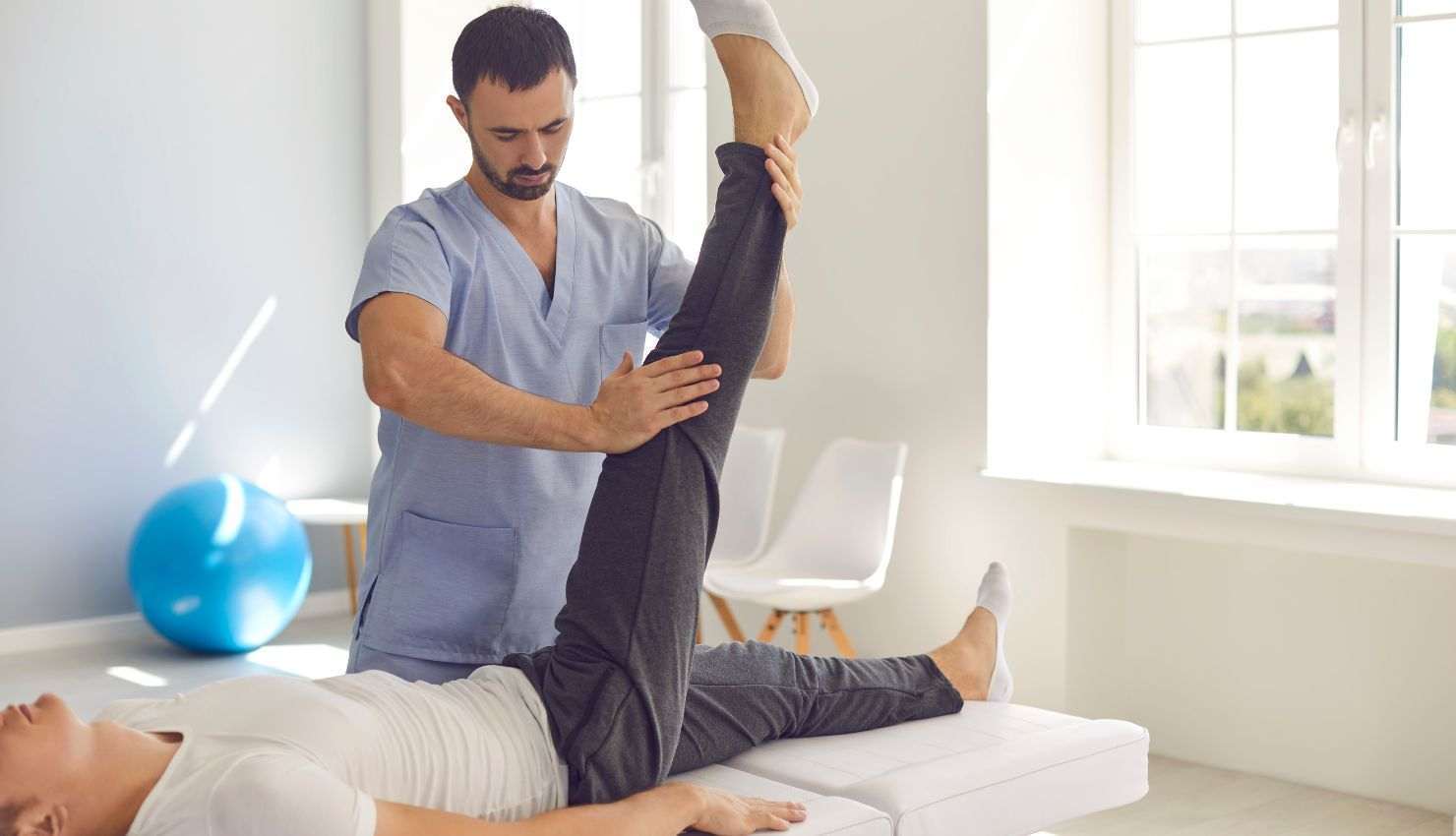
Pelvic organ prolapse (POP) is a condition that many women silently endureoften believing its an unavoidable part of aging, childbirth, or menopause. The truth is, prolapse is common, but it is neither inevitable nor untreatable. Whether youre trying to avoid prolapse or manage existing symptoms, pelvic floor physiotherapy is one of the most effective, non-invasive options available.
In a proactive health culture like Torontos, more women are learning how to take control of their pelvic health with evidence-based physiotherapy that focuses on movement, awareness, and muscle function. This blog breaks down what prolapse is, whos at risk, and how physiotherapy helps prevent, manage, and even reverse symptomswithout the need for surgery.
What Is Pelvic Organ Prolapse?
Pelvic organ prolapse occurs when the muscles and connective tissues of the pelvic floor weaken, allowing one or more organssuch as the bladder, uterus, or rectumto drop or press into the vaginal wall. The severity of prolapse can vary, from mild sagging to visible bulging at the vaginal opening.
Common signs and symptoms include:
A sensation of heaviness or pressure in the pelvis
Bulging in the vaginal area
Difficulty emptying the bladder or bowels
Urinary leakage or urgency
Discomfort during sex
A feeling like something is falling out of the body
Many women with prolapse also report emotional discomfortfeeling frustrated, self-conscious, or unsure where to turn for help.
What Causes Pelvic Organ Prolapse?
Multiple factors can contribute to pelvic organ prolapse, including:
Vaginal childbirth, especially with forceps, vacuum, or prolonged pushing
Pregnancy and the strain it places on the pelvic floor
Aging and hormonal shifts after menopause
Chronic coughing, constipation, or heavy lifting
Obesity or weak core and postural support
Previous pelvic surgeries
High-impact activities without proper core engagement
Understanding the causes helps us see prolapse not as a sudden event, but as a result of ongoing stress and weakness in the pelvic support systemwhich means it can also be prevented and treated.
How Physiotherapy Helps Prevent Pelvic Organ Prolapse
1. Builds Pelvic Floor Strength and Coordination
Your pelvic floor acts like a hammock that supports your pelvic organs. Physiotherapy helps you activate, strengthen, and coordinate these muscles properlyso theyre ready to support you through daily activities and high-pressure moments like coughing or lifting.
2. Teaches Breath and Pressure Management
Many people unknowingly create too much pressure in their abdomen during movement or strain. Physiotherapists teach breathwork and core coordination (especially with movements like lifting, squatting, or exerting) to keep pressure off your pelvic floor.
3. Guides Safe Exercise and Movement Habits
If youre physically active or postpartum, physiotherapy teaches you how to move, lift, and return to fitness in ways that protect your pelvic organs. This includes modifying core workouts, managing impact, and avoiding strain during recovery or high-risk periods.
4. Optimizes Posture and Core Alignment
Poor posture can shift pressure downward onto the pelvic floor. Physiotherapy addresses your entire kinetic chainspine, hips, breath, and coreso your posture and alignment support, rather than stress, your pelvic system.
5. Provides Education for Lifelong Prevention
From bathroom habits to body mechanics, your physiotherapist gives you personalized strategies to reduce risks and build long-term pelvic resilience.
Treating Pelvic Organ Prolapse with Physiotherapy
If youre already experiencing prolapse, physiotherapy is one of the first-line, evidence-based treatments recommended by pelvic health professionals. While surgery is sometimes necessary for severe cases, many women see significant improvements with conservative care.
1. Reduces Symptoms and Improves Quality of Life
Even mild-to-moderate prolapse can cause discomfort or inconvenience. Physiotherapy helps reduce pressure, improve support, and decrease bulging sensationsimproving comfort and restoring confidence in your body.
2. Enhances Pelvic Floor Function
Through guided strengthening, biofeedback, and coordination training, physiotherapy helps your pelvic floor work more efficientlysupporting the organs above and preventing further descent.
3. Integrates Core and Hip Support
Your physiotherapist doesnt just focus on the pelvic floor. Strengthening the hips, glutes, and deep core muscles ensures your entire lower body supports your pelvic system properly.
4. Encourages Active Recovery Without Surgery
For many women, physiotherapy offers a non-surgical path to symptom management and improved function, especially when combined with lifestyle changes, pessary use (if prescribed), and personalized movement strategies.
5. Provides Post-Surgical Support If Needed
If surgery becomes necessary, pelvic physiotherapy remains vitalhelping with pre-surgical preparation and post-surgical rehabilitation to ensure strong, functional recovery and minimize recurrence.
What to Expect at a Pelvic Floor Physiotherapy Appointment
At YourFormSux (YFS), pelvic floor care is always personalized, respectful, and evidence-based. Your session may include:
A detailed discussion of symptoms, lifestyle, and goals
External or internal pelvic floor assessment (with full consent)
Evaluation of posture, breathing, and movement habits
A customized treatment plan with exercises, manual therapy, and education
Home strategies to reinforce your progress and prevent recurrence
Everything is done at your pace, with clear communication and full privacy.
Why Toronto Women Are Turning to Physiotherapy for Prolapse Care
In Torontos active and wellness-focused culture, women are seeking preventive and restorative care that respects their bodies and empowers their decisions. Pelvic floor physiotherapy offers exactly thatgiving you the tools to understand, support, and heal your body naturally.
At YFS, we work with women of all agespre- and postnatal, menopausal, athletic, or sedentaryhelping them move from discomfort to strength with professional, compassionate care.
Final Thoughts: Take Control of Your Pelvic Health
Pelvic organ prolapse is not just something you have to live with, and its certainly not something to be ashamed of. You have options. You have support. You have the ability to heal.
Pelvic floor physiotherapy offers a path forwardwhether you want to prevent prolapse or treat it without surgery. With the right guidance, you can reduce symptoms, restore function, and protect your pelvic health for the long term.