How Pelvic Floor Physiotherapy Improves Bladder Control in Adults explores targeted strategies for recovery. Discover new paths to mobility, healing, and personalized care.

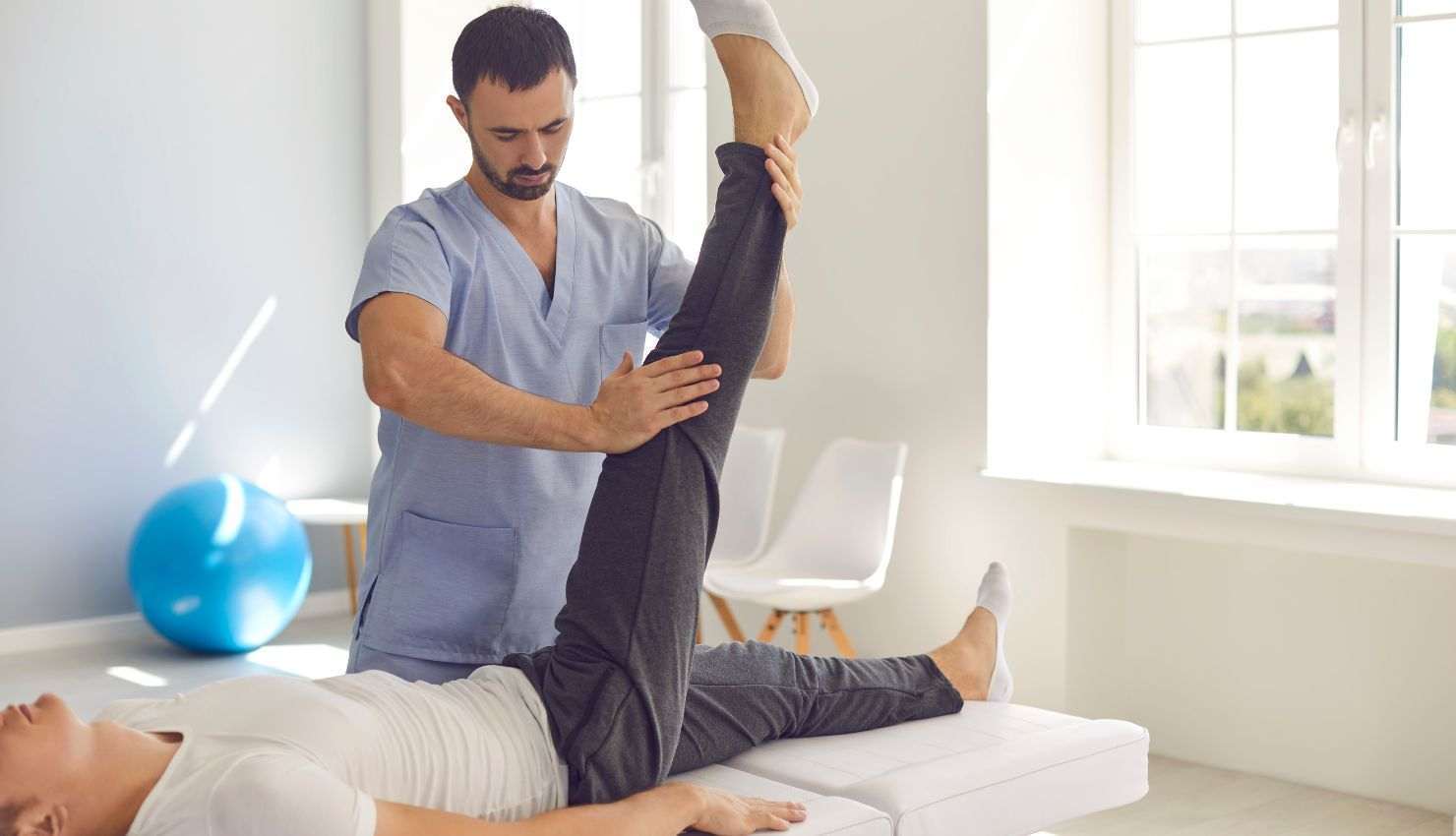
Bladder control issues, such as urinary incontinence, affect millions of adults worldwide and can significantly impact quality of life. Despite its common occurrence, bladder dysfunction is often underreported due to embarrassment or misconceptions. Fortunately, pelvic floor physiotherapy offers an effective, non-invasive solution to improve bladder control and restore confidence.
At YourFormSux (YFS), we specialize in pelvic floor physiotherapy tailored to adults facing bladder control challenges. This article explores how pelvic floor physiotherapy helps improve bladder function by strengthening muscles, retraining coordination, and addressing underlying factors.
Understanding Bladder Control and Pelvic Floor Function
The pelvic floor muscles form a supportive sling for the bladder, urethra, and other pelvic organs. These muscles, along with the urinary sphincter, play a vital role in controlling urine flow and maintaining continence.
When pelvic floor muscles weaken, become tight, or lose coordination, bladder control can be compromised, leading to symptoms such as:
Urinary leakage during coughing, sneezing, or exercise (stress incontinence)
Urgency and frequency of urination (urge incontinence)
Mixed symptoms combining stress and urge incontinence
Causes of Bladder Control Issues in Adults
Common factors contributing to bladder dysfunction include:
Childbirth and pregnancy
Aging and hormonal changes
Surgery or pelvic injury
Obesity and chronic coughing
Neurological conditions
Poor posture and muscle imbalances
Understanding these causes helps physiotherapists tailor effective treatment plans.
How Pelvic Floor Physiotherapy Improves Bladder Control
1. Strengthening Weak Pelvic Floor Muscles
Pelvic floor physiotherapy involves targeted exercises that strengthen muscles supporting the bladder and urethra. Properly performed exercises improve muscle tone and endurance, enhancing the ability to maintain continence during increased abdominal pressure.
2. Improving Muscle Coordination and Timing
Physiotherapists teach clients how to coordinate pelvic floor muscle contractions with activities that trigger leakage, such as coughing or lifting. This neuromuscular training helps prevent accidental urine loss.
3. Relaxation and Stretching for Overactive Muscles
In some cases, bladder control issues arise from pelvic floor muscle tightness or spasms. Physiotherapy includes relaxation techniques and manual therapy to reduce muscle tension and improve flexibility.
4. Biofeedback and Electrical Stimulation
Biofeedback assists clients in recognizing and activating the correct muscles, especially if they have difficulty sensing pelvic floor contractions. Electrical stimulation can support muscle activation and strength building when voluntary contractions are weak.
5. Bladder Training and Lifestyle Advice
Physiotherapists provide education on bladder habits, fluid intake, and behavioral strategies that complement muscle training and reduce symptoms.
Benefits of Pelvic Floor Physiotherapy for Bladder Control
Reduced urinary leakage and urgency
Improved muscle strength and control
Enhanced quality of life and confidence
Non-invasive, drug-free treatment
Prevention of symptom progression
When to Seek Pelvic Floor Physiotherapy for Bladder Issues
If you experience urinary leakage, urgency, or frequent urination, consulting a pelvic floor physiotherapist can provide effective management and symptom relief.
YourFormSux: Pelvic Floor Physiotherapy Experts in Toronto
At YourFormSux, our specialized pelvic health physiotherapists provide personalized care for adults experiencing bladder control challenges. We offer comprehensive assessments and tailored treatment plans to restore function and improve your quality of life.
Conclusion
Pelvic floor physiotherapy is a highly effective approach to improving bladder control in adults. Through muscle strengthening, coordination training, and lifestyle modifications, physiotherapy helps restore continence and confidence.
If bladder control issues affect your daily life, YourFormSux is here to support you with expert pelvic floor physiotherapy tailored to your needs.