Understanding the Role of Physiotherapy in Pelvic Floor Rehabilitation explores targeted strategies for recovery. Discover new paths to mobility, healing, and personalized care.

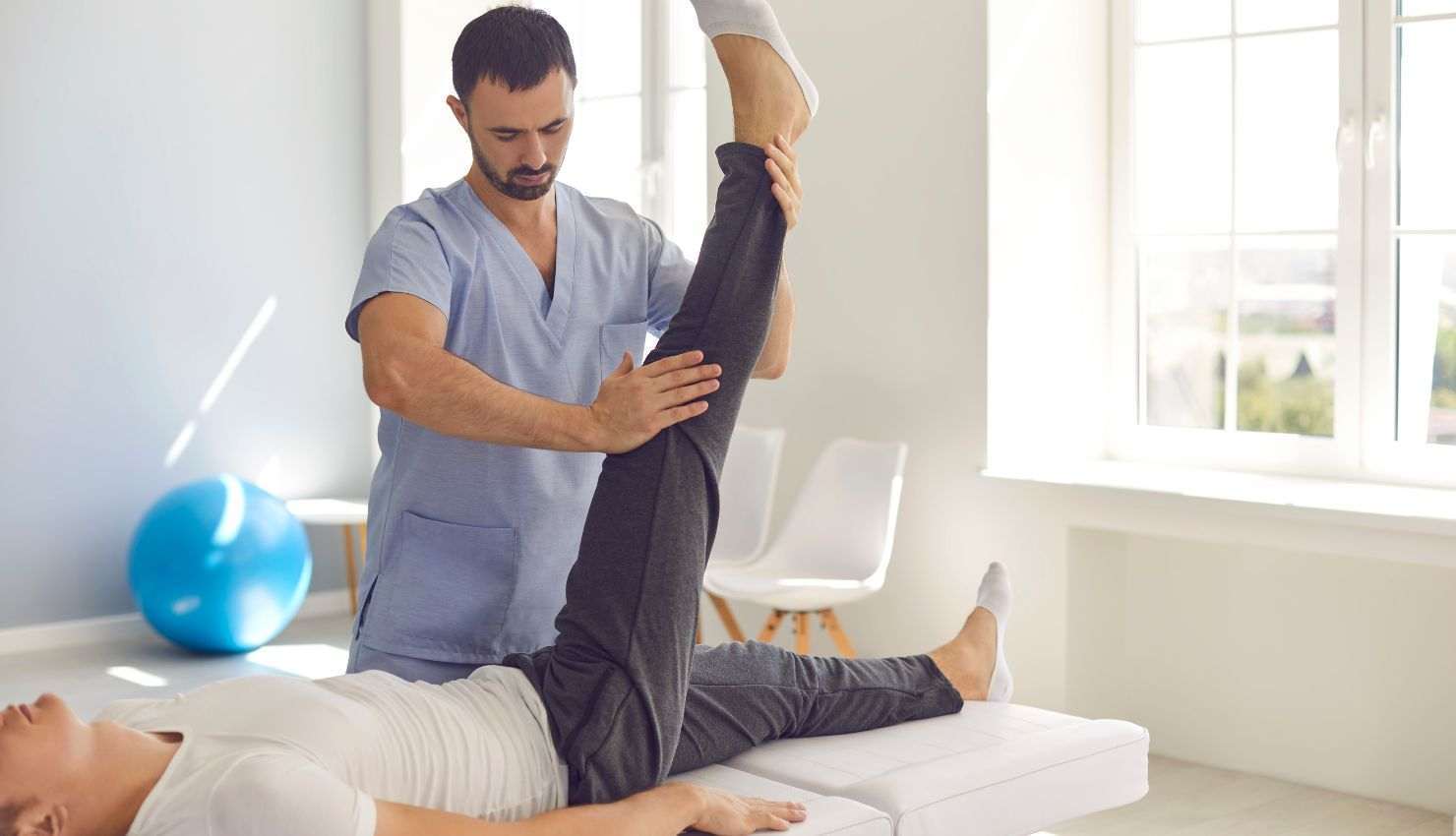
Pelvic floor dysfunction can have a profound impact on your quality of lifeaffecting everything from bladder and bowel control to posture, pain, sexual health, and emotional well-being. Whether its caused by childbirth, surgery, trauma, aging, or chronic strain, pelvic floor issues are common, but theyre not something you have to live with. Physiotherapy plays a central role in pelvic floor rehabilitation, offering safe, effective, and evidence-based treatment to restore both function and confidence.
At YourFormSux (YFS) in Toronto, we help individuals of all ages and genders recover from pelvic floor dysfunction and rebuild strength, control, and connection to their core. This blog explores what pelvic floor rehabilitation involves, how physiotherapy helps, and why early intervention is key.
What Is the Pelvic Floor?
The pelvic floor is a group of muscles, ligaments, and connective tissue that stretches like a hammock from the tailbone to the pubic bone. These muscles support critical internal organsincluding the bladder, uterus or prostate, and rectumwhile also playing a role in:
Controlling bladder and bowel function
Supporting pelvic and spinal stability
Facilitating sexual response
Managing intra-abdominal pressure during movement
Maintaining upright posture
Pelvic floor muscles, like any others, can become weak, tight, overused, or underusedleading to dysfunction that disrupts daily life.
Common Signs of Pelvic Floor Dysfunction
Pelvic floor dysfunction may present differently in each person, but common symptoms include:
Urinary urgency, frequency, or leakage (incontinence)
Fecal incontinence or constipation
Pain during intercourse or sexual dysfunction
A sensation of pelvic heaviness or pressure
Pelvic organ prolapse
Chronic pelvic, back, or hip pain
Incomplete emptying of the bladder or bowel
Difficulty initiating urination or defecation
These symptoms can occur at any age and often become more prominent after pregnancy, childbirth, surgery, menopause, or injury. Left untreated, they can worsen and affect physical, emotional, and mental health.
The Role of Physiotherapy in Pelvic Floor Rehabilitation
Pelvic floor physiotherapy is a specialized form of care that focuses on assessing, treating, and restoring the function of the pelvic floor and surrounding musculature. Its not just about doing Kegelsits about understanding how your pelvic floor interacts with your breath, posture, core, and nervous system.
Heres how physiotherapy supports pelvic floor rehabilitation:
1. Comprehensive Assessment
Pelvic health physiotherapy begins with a detailed evaluation. At YFS, our assessments include:
A full health history
Symptom screening and functional questionnaires
Postural and breathing analysis
Abdominal and core engagement assessment
External and, if appropriate and consented to, internal pelvic floor examination
This helps identify whether the pelvic floor is weak, overactive, painful, or poorly coordinated, and how other systems in the body may be contributing to dysfunction.
2. Personalized Treatment Plans
Every pelvic floor is different, and so is every rehabilitation plan. Depending on your needs, treatment may include:
Pelvic floor muscle retraining: to improve coordination, strength, or relaxation
Manual therapy: to release muscle tension, reduce pain, and improve tissue mobility
Biofeedback: to improve awareness and control of pelvic floor muscles
Postural correction: to reduce pressure and promote alignment
Breathwork and core integration: to connect diaphragm, abdominals, and pelvic floor
Education and lifestyle coaching: to support bladder, bowel, and sexual function
Whether your goal is symptom relief, postnatal healing, return to exercise, or prevention, physiotherapy meets you where you are.
3. Treatment for Both Hypo- and Hypertonic Muscles
Many people assume pelvic floor issues only stem from weakness. But for many clients, the pelvic floor is actually too tight or overactivewhich can cause pain, leakage, or pressure. In these cases, your physiotherapist will guide you through:
Relaxation techniques (reverse Kegels, deep breathing)
Trigger point release and soft tissue therapy
Movement retraining to break overuse patterns
Downregulating the nervous system for better pelvic control
Likewise, if muscles are underactive, therapy focuses on building strength, endurance, and responsiveness to restore control and support.
4. Support for Postpartum Recovery
Childbirth is one of the most common causes of pelvic floor dysfunction. Whether you had a vaginal delivery or C-section, physiotherapy can help you:
Heal from tearing, episiotomy, or scarring
Address bladder or bowel changes
Improve abdominal separation (diastasis recti)
Rebuild core and pelvic floor strength
Return safely to exercise and daily activity
Postnatal rehabilitation is not a luxuryits essential care.
5. A Trauma-Informed, Empowering Approach
Pelvic issues can feel deeply personal and even triggering. At YFS, we provide trauma-informed, consent-based care. We take the time to listen, explain each step, and never proceed with any assessment or treatment without your full comfort and approval.
Who Can Benefit from Pelvic Floor Rehabilitation?
Pelvic floor physiotherapy is for anyone experiencing dysfunction or looking to prevent future issues. Common clients include:
Women during pregnancy or postpartum
People with urinary or bowel incontinence
Individuals recovering from pelvic surgeries (prostatectomy, hysterectomy)
Men with pelvic pain or post-prostate issues
Athletes with core instability or pelvic strain
Older adults managing aging-related changes
Anyone with painful intercourse, bladder urgency, or unexplained pelvic pain
Pelvic health is for every bodyand rehabilitation offers relief, recovery, and resilience.
Why Toronto Is Embracing Pelvic Floor Physiotherapy
Torontos evolving wellness culture has made space for inclusive, holistic care that addresses the root of the problemnot just the symptoms. As more people seek proactive health solutions, pelvic floor rehabilitation has become a vital service for postpartum recovery, active aging, sexual wellness, and chronic pain treatment.
At YourFormSux, were proud to be part of this movementoffering compassionate, evidence-based care for those ready to take control of their pelvic health.
Final Thoughts: Reclaim Control and Confidence
Pelvic floor dysfunction doesnt have to define your daily life. With physiotherapy, you can reduce pain, improve control, restore function, and feel more confident in your body. Whether youve just begun experiencing symptoms or have been managing them for years, the path to healing starts with understandingand action.
At YourFormSux, were here to guide you every step of the way. Pelvic floor rehabilitation is possible, and you deserve to feel strong, supported, and symptom-free.