Why Massage Therapy Is an Effective Treatment for Lower Back Pain brings new meaning to proactive care. Discover fresh strategies that promote movement and strength.

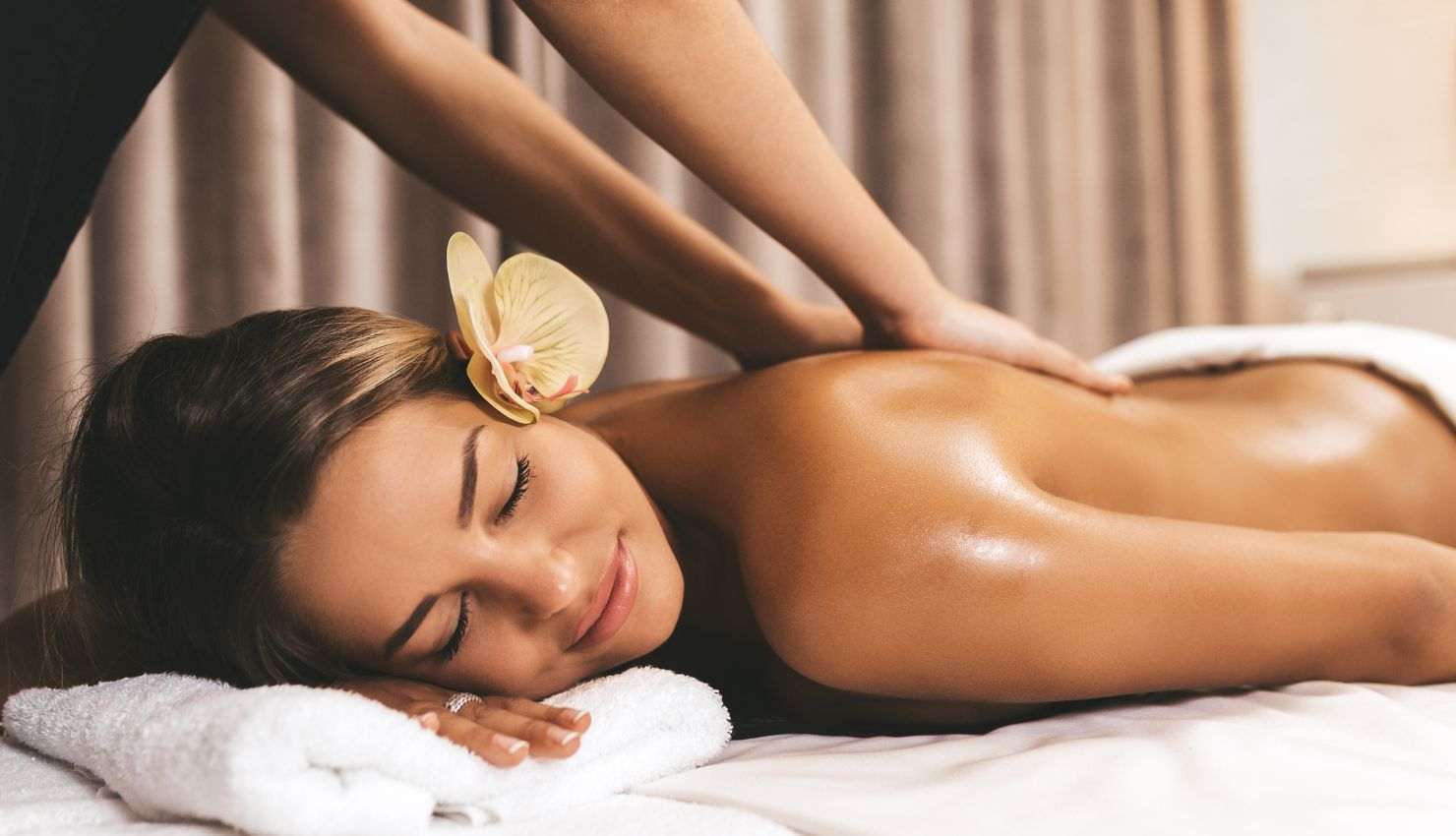
Lower back pain is one of the most common complaints worldwide, affecting people of all ages and lifestyles. Whether its caused by poor posture, muscle strain, injury, or chronic conditions, persistent lower back pain can severely limit your mobility and quality of life. While medication and surgery are sometimes necessary, massage therapy offers a natural, non-invasive approach that many people find highly effective. In this blog, well explore why massage therapy is an excellent treatment for lower back pain, how it works, and how you can incorporate it into your pain management routine.
Understanding Lower Back Pain
The lower back supports much of your bodys weight and is involved in nearly every movement, from bending and twisting to standing and walking. This constant use makes it vulnerable to injury and strain. Lower back pain can stem from various causes, including:
Muscle or ligament strain from heavy lifting or sudden movements
Poor posture leading to muscle imbalances
Herniated discs or spinal degeneration
Arthritis or other chronic conditions
Stress-induced muscle tension
Regardless of the cause, muscle tightness, inflammation, and restricted blood flow often accompany lower back pain.
How Massage Therapy Alleviates Lower Back Pain
Massage therapy targets the soft tissuesmuscles, tendons, ligaments, and fasciathat surround the spine. Heres why its so effective:
1. Reduces Muscle Tension and Spasms
Muscle tension is both a cause and a result of lower back pain. Massage therapy helps relax tight muscles, releasing knots and spasms that contribute to discomfort. Relaxed muscles take pressure off nerves and joints, reducing pain.
2. Improves Blood Circulation
Tight muscles and inflammation can restrict blood flow to the lower back, slowing healing. Massage increases circulation, bringing oxygen-rich blood to the area and removing waste products. This supports tissue repair and reduces inflammation.
3. Enhances Flexibility and Range of Motion
Pain and stiffness often limit movement, which can lead to further muscle weakening and imbalance. Massage helps improve tissue elasticity and joint mobility, allowing you to move more freely and reducing the risk of further injury.
4. Stimulates the Release of Endorphins
Massage promotes the release of endorphinsnatural painkillers produced by the bodywhich help reduce the perception of pain and boost mood. This chemical effect complements the physical relief from muscle relaxation.
5. Reduces Stress and Promotes Relaxation
Chronic pain often leads to stress and anxiety, which can worsen muscle tension. Massage therapy lowers cortisol levels and encourages relaxation, breaking the cycle of stress and pain.
Types of Massage for Lower Back Pain
Several massage techniques are particularly effective for lower back pain:
Swedish Massage: Uses long, gliding strokes to relax muscles and improve circulation.
Deep Tissue Massage: Targets deeper muscle layers to release chronic tension and adhesions.
Myofascial Release: Focuses on loosening tight fascia that may contribute to pain.
Trigger Point Therapy: Releases specific painful knots in muscles.
Sports Massage: Combines techniques for injury prevention and recovery.
A professional massage therapist will assess your condition and recommend the best approach for your needs.
When to Use Massage Therapy for Lower Back Pain
Massage therapy can be beneficial for both acute and chronic lower back pain. For recent injuries, gentle techniques help reduce inflammation and promote healing. For chronic conditions, deeper, more targeted massage can relieve long-standing tension and improve function.
Always consult your healthcare provider before starting massage therapy, especially if your pain is severe, sudden, or related to a medical condition.
Complementary Tips for Managing Lower Back Pain
To get the most out of massage therapy, combine it with:
Regular Exercise: Strengthening your core muscles supports your lower back.
Good Posture: Maintain proper alignment when sitting and standing.
Ergonomic Adjustments: Use supportive chairs and avoid prolonged sitting.
Heat or Cold Therapy: Use heat to relax muscles and cold to reduce inflammation.
Stress Management: Practice relaxation techniques like deep breathing or meditation.
Why Choose Professional Massage Therapy in Canada
YourFormsUX Canada offers expert massage therapy tailored to your lower back pain needs. Their skilled therapists combine advanced techniques with personalized care to help you relieve pain, restore mobility, and improve your quality of life.
Conclusion
Lower back pain can be debilitating, but it doesnt have to control your life. Massage therapy is a safe, natural, and effective treatment that addresses muscle tension, improves circulation, enhances flexibility, and promotes relaxation. Whether you suffer from occasional discomfort or chronic pain, incorporating massage therapy into your care routine can lead to significant improvements.
If lower back pain is holding you back, consider scheduling a massage therapy session with YourFormsUX Canada. Their professional therapists will work with you to create a treatment plan that supports your healing and helps you move pain-free.